
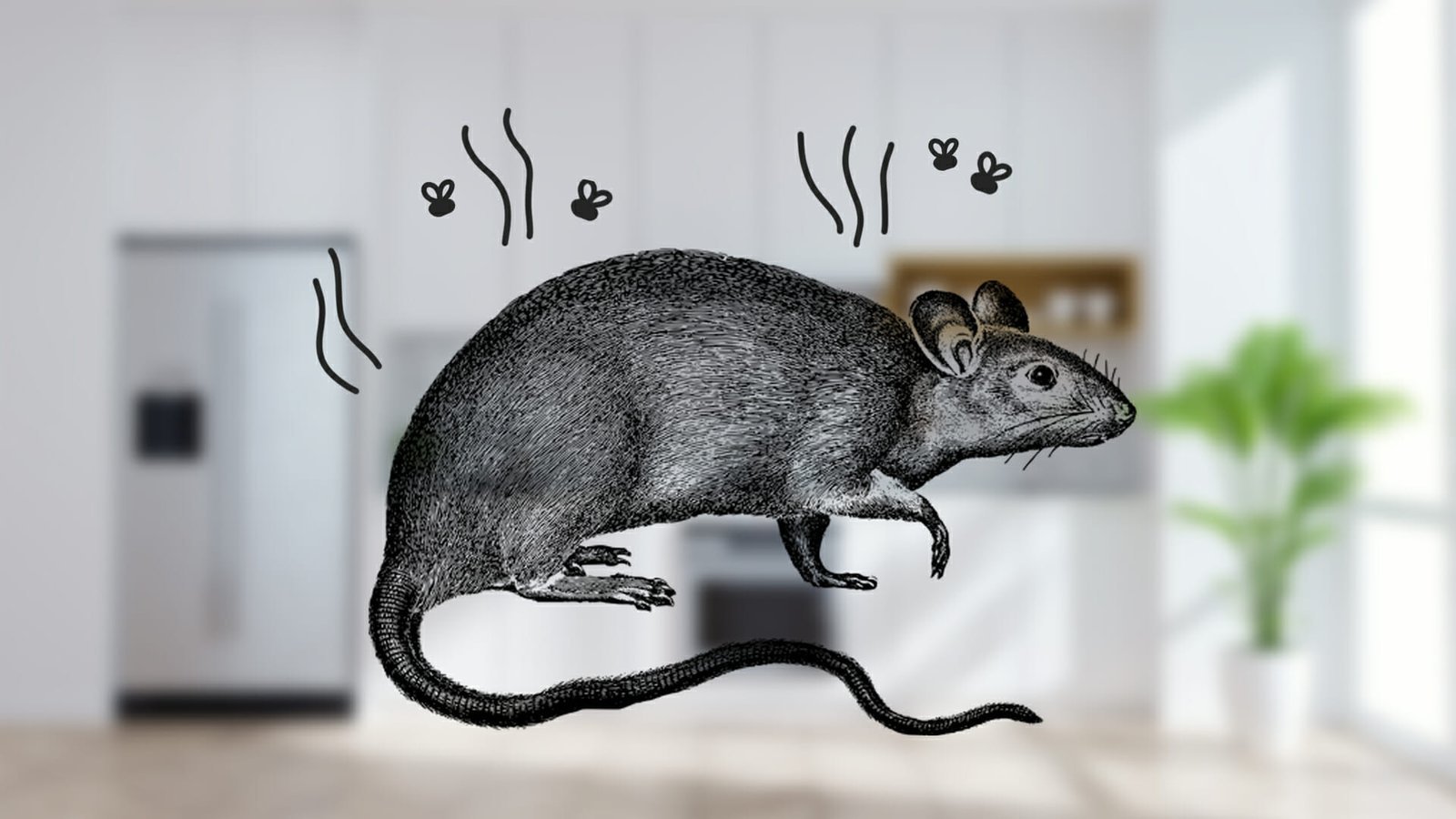
A dead animal trapped inside walls, ceilings, or crawl spaces causes dead animal smell in house. It’s usually safe to stay in the home while it lingers, though the odor can cause headaches or nausea in sensitive people. The one check you can do in five minutes is to walk from room to room with your nose close to walls, vents, and baseboards to find where the smell is strongest.
Where the smell is coming from
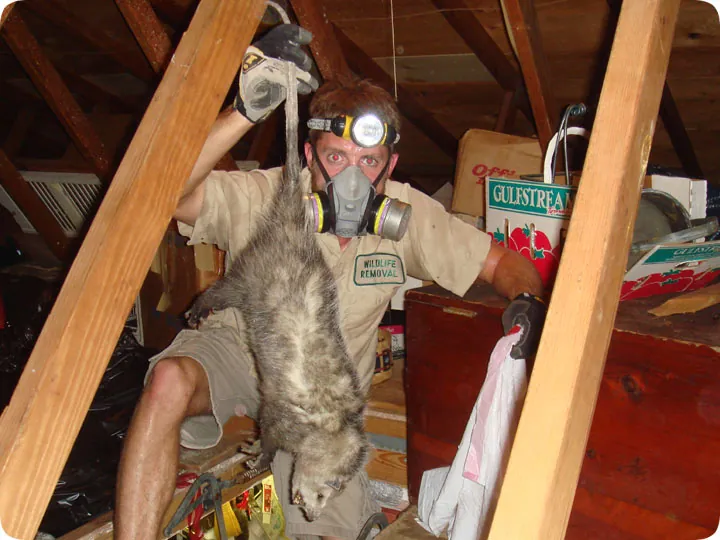
The odor comes from a small animal that died in a hidden space and is now decomposing. Use this table to match what you notice with what it usually means and what to do first.
| What you notice | What it usually means | What to do first |
|---|---|---|
| Strong smell in one room only | Animal died inside that room’s wall or ceiling | Sniff along walls and vents to pinpoint the spot |
| Smell strongest near a floor vent | Animal is in the ductwork or return air box | Turn off the HVAC system and check the nearest vent |
| Smell worse on warm or humid days | Heat speeds up decomposition and spreads the odor | Close doors to that room and ventilate with fans |
| Small flies appearing near a wall or baseboard | Flies are laying eggs on the carcass | Mark the spot and don’t disturb the area |
| Smell fades then returns after rain | Moisture is pushing odor from a crawl space or attic | Check attic and crawl space access points |
| Smell near the kitchen or pantry | A rodent died behind cabinets or under appliances | Pull the appliance out and look behind it |
| Smell that gets stronger over several days | The body is fresh and decomposition is advancing | Act quickly before maggots or secondary pests arrive |
The animal died inside a wall or ceiling void
This is the most common reason the odor seems to come from nowhere. A mouse, rat, squirrel, or bird enters through a small gap, gets trapped, and dies where no one can see it. As the body breaks down, it releases gases that seep through drywall, baseboards, and electrical outlets.
The confirming check takes under a minute and costs nothing. Press your nose against the wall, ceiling, or baseboard where the smell is strongest. If the odor is clearly stronger there than in the center of the room, the source is behind that surface.
The fix depends on whether you can reach the animal. If you can see it through a vent opening or an access panel, wear gloves, remove it with tongs or a bag, seal it in two plastic bags, and place it in an outdoor trash can.
If it’s behind solid drywall, you have two choices: wait for the odor to fade as the body dries out, or cut a small inspection hole to remove it. Cutting into drywall risks hitting wiring or plumbing, so only do it if you’re confident about what lies behind the surface.
You’ll know it worked when the smell drops noticeably within a day or two and the room smells normal again after ventilation.
The animal is inside the HVAC ducts or air handler
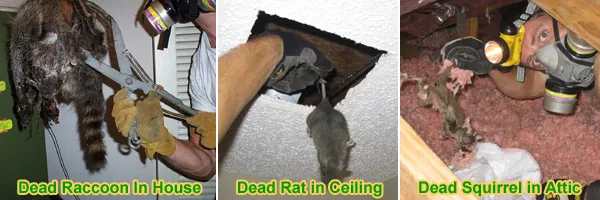
This is a different mechanism from a wall void. The animal entered through an exterior vent, a damaged return-air grille, or the chimney and died inside the ductwork or the air handler. Every time the fan runs, it blows odor particles through every room, which is why the smell follows the airflow rather than staying in one spot.
Confirm it with a no-tools check. Stand near each supply vent and sniff. If the odor is clearly stronger at the vents than in the room itself, and it gets stronger when the fan kicks on, the source is in the system.
Turn the system off at the thermostat and breaker so the fan stops circulating the smell. Remove the nearest vent cover with a screwdriver and look inside with a flashlight.
If you can see the animal and reach it safely, remove it with gloved hands or tongs, bag it, and put it in an outdoor trash can. If it’s deeper in the ducts, you’ll need a professional duct cleaning service, because reaching inside ductwork requires tools and training most people don’t have.
Tell this apart from the first cause by the fan test: a wall odor stays steady whether the HVAC is on or off, while a duct odor changes with the fan.
You’ll know it worked when running the fan no longer spreads the smell and the air near the vents smells fresh.
A small animal died in the attic or crawl space
This is the less common cause, and it behaves differently from the other two. The smell often appears only on certain days or after rain, because humidity and temperature changes push the odor down through light fixtures, attic hatches, or floor registers. It may seem to move around the house rather than staying in one room.
You can tell it apart from a wall or duct cause by where the smell is strongest. A wall odor concentrates at one surface, and a duct odor comes from the vents. An attic or crawl space odor is usually strongest near the ceiling on the top floor, near floor registers on the bottom floor, or around the attic hatch itself.
Check the attic hatch and crawl space access door with your nose. If the smell is much stronger right at those openings, the source is likely above or below the living area. Look for droppings, nesting material, or stains on insulation, but don’t crawl into spaces with low headroom, exposed wiring, or standing water.
If you can see and reach the animal, remove it with gloves and a bag and place it in outdoor trash. If it’s buried in insulation or in a space you can’t safely enter, contact a wildlife removal professional.
You’ll know it worked when the smell near the hatch or registers fades and doesn’t return with the next warm or humid day.
How to remove dead animal smell
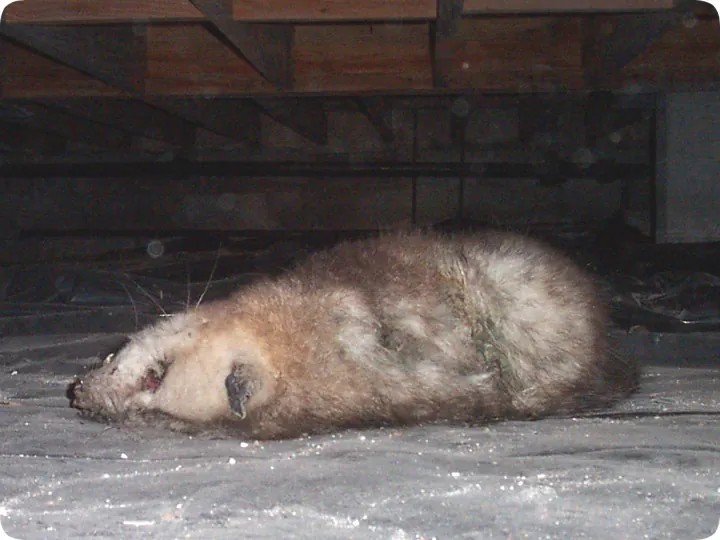
Stop trying to fix it yourself when any of these signs appear:
- You see maggots or a large fly swarm near the smell — they mean the body has been there long enough to hatch insects, and the infestation can spread.
- The odor is coming from inside a finished wall or ceiling and you can’t locate the exact spot — cutting blind risks hitting wires or pipes.
- The smell is in the ductwork and you can’t reach the animal — duct cleaning requires professional equipment.
- You feel dizzy, nauseous, or get a headache every time you enter the room — leave the area and ventilate.
- You suspect a larger animal such as a raccoon or opossum — these can carry parasites and require safe handling.
When the next step needs a licence, special equipment, or carries a real risk to your health or home, call a wildlife removal company, a pest control service, or a duct cleaning professional. Don’t cut into walls or enter crawl spaces with exposed wiring or sewage.
Related guides
- How to Remove Solid Stain From Wood Deck: Step-by-Step Guide in 2026
- How to Remove JB Weld: Proven Removal and Cleaning Methods in 2026
- How to Remove Gorilla Glue From Wood: A Simple Step-by-Step Fix in 2026
Frequently asked questions
How long does dead animal smell in house last?
A small mouse or bird usually stops smelling within two to four weeks as the body dries out, while a larger animal such as a raccoon can take two to three months, depending on temperature and humidity. Cool, dry conditions make the odor last longer, and warm, damp conditions shorten it.
Can I just wait for dead animal smell in house to go away?
Yes, you can wait, but the odor will persist until the body fully dries, which can take weeks or months. Waiting also risks flies, maggots, and secondary pests, so removing the source is faster and cleaner.
Is it safe to sleep in a room with dead animal smell in house?
It’s generally safe for short periods, but the gases can cause headaches, nausea, or irritation for sensitive people. If you feel unwell, sleep elsewhere and ventilate the room until the source is removed.
What happens if I don’t remove the dead animal?
The smell will continue until decomposition finishes, and flies or maggots may appear. Secondary pests such as carpet beetles can move in and spread to other parts of the home.
Does it matter what kind of animal died?
Yes. A mouse produces a mild odor for a short time, while a raccoon or opossum creates a much stronger smell that lasts longer and may carry more health risks from parasites.
How do I find where dead animal smell in house is coming from?
Walk through the house with your nose close to walls, vents, baseboards, attic hatches, and crawl space openings. The spot where the odor is strongest is usually where the animal is located.
Can dead animal smell in house make you sick?
The odor itself rarely causes illness, but it can trigger headaches or nausea, and the carcass can harbor bacteria, parasites, or fungi. Remove the source and wash your hands after any contact.
How do I stop dead animal smell in house from coming back?
Seal gaps around vents, rooflines, pipes, and foundation openings so animals can’t enter. Keep screens in good repair and check attic and crawl space access points each season.
Conclusion
The smell will fade once the source is removed or the body dries out, but finding a hidden carcass takes patience. If you can’t locate it or the odor makes you feel unwell, call a professional rather than cutting into walls or entering unsafe spaces.