

If you searched “belly button smells like poop,” you’re likely dealing with a discharge, odor, or irritation around your navel that doesn’t go away with a quick shower. Most causes are benign and treatable, but some need medical care. This article walks through what causes a foul belly button smell, how to clean it safely, when to worry, and what to expect if you see a clinician.
Key Takeaways

- Clean your belly button once a day with mild soap and warm water, then dry it completely.
- Don’t dig inside with cotton swabs, toothpicks, or sharp objects.
- See a clinician if you have discharge, redness, swelling, pain, fever, or a smell that persists after cleaning.
- Possible causes include poor hygiene, sweat and dead skin buildup, bacterial or yeast infection, an infected piercing, or a urachal remnant.
- Avoid strong alcohol, hydrogen peroxide, or harsh scrubs inside the navel unless a clinician directs you to use them.
Why Your Belly Button Smells Like Poop
The navel is a shallow pocket that traps sweat, dead skin cells, lint, and moisture. When bacteria break down that material, they can release odors that some people describe as fecal or rotten. In most cases, the smell comes from surface buildup rather than anything inside the abdomen. A true “poop” smell usually means there’s discharge, moisture, or an infection in or around the belly button.
Common triggers include:
- Infrequent cleaning, especially in deep or folded navels
- Sweat trapped by tight or synthetic clothing
- Skin debris and lint collecting in the hollow
- A bacterial or yeast overgrowth in warm, moist skin
- A healing or infected belly button piercing
- A rare umbilical or urachal remnant that leaks fluid
What Causes a Foul Belly Button Odor
Several specific conditions can make the navel smell bad. Knowing which one fits your symptoms helps you decide whether to treat at home or seek care.
Poor Hygiene and Buildup
The most common cause is simply not cleaning the navel regularly. Sweat, soap residue, dead skin, and clothing lint collect in the depression. Bacteria on the skin feed on this material and produce odor. Deep or “innie” navels trap more material than shallow ones.
Bacterial Skin Infection
Bacteria such as Staphylococcus or Streptococcus can infect minor breaks in the skin around the navel. Signs include redness, warmth, tenderness, pus-like discharge, and a worsening smell. The area may feel itchy or painful.
Yeast Infection (Candidiasis)
Warm, moist skin folds are ideal for yeast. A yeast infection in the navel often causes itching, redness, a white or yellow discharge, and a musty or sour smell. People with diabetes or obesity may be more prone to these infections because skin folds stay moist longer.
Infected Belly Button Piercing
A new or healing piercing can trap bacteria. An infected piercing often leaks yellow or green discharge, feels tender, and smells foul. Jewelry that’s too tight or made of irritating metal can make it worse.
Urachal Remnant or Umbilical Discharge
Before birth, the urachus connects the bladder to the umbilicus. It normally seals off, but in rare cases a small channel or cyst remains. Fluid can leak from the navel, sometimes with a urine-like or fecal odor. This is uncommon in adults but can cause persistent discharge and smell.
Other Rare Causes
An umbilical hernia, a sebaceous cyst, or a pilonidal sinus near the navel can also produce odor if they become infected or drain. These are less common but may need surgical evaluation.
Belly Button Smell Causes at a Glance
| Cause | Typical Smell | Other Signs | Home Care or Clinician? |
|---|---|---|---|
| Poor hygiene / buildup | Mild to strong, sour or fecal | Visible lint, debris, itching | Home care |
| Bacterial infection | Foul, pus-like | Redness, warmth, pain, discharge | Clinician |
| Yeast infection | Musty, sour | White or yellow discharge, itching | Clinician |
| Infected piercing | Foul, metallic or sour | Swelling, crusting, discharge around jewelry | Clinician |
| Urachal remnant | Urine-like or fecal | Persistent wetness or discharge from navel | Clinician |
How to Clean Your Belly Button Safely
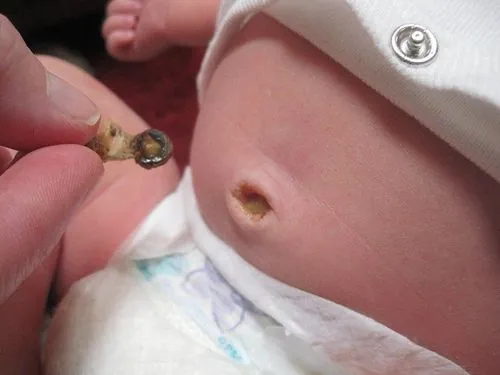
Daily cleaning usually resolves odor caused by buildup. Follow these steps once a day, or after heavy sweating.
- Wash your hands with soap and water.
- Wet a soft washcloth with warm water and a small amount of mild, fragrance-free soap.
- Gently wipe around and just inside the navel opening. Don’t scrub hard.
- Rinse the washcloth and wipe away soap residue.
- Pat the area dry with a clean towel. Moisture left behind encourages odor and infection.
- If your navel is very deep, you can gently roll a clean cotton swab around the inside edge, but don’t push it deep or dig for debris.
Pro Tip: Dry the navel thoroughly after showering. A hair dryer on the cool setting, held a few inches away, can help remove moisture from a deep “innie” without rubbing.
What Not to Use
Avoid putting rubbing alcohol, hydrogen peroxide, witch hazel, or strong essential oils directly inside the navel unless a clinician tells you to. These can irritate the skin and delay healing. Don’t use toothpicks, safety pins, or sharp objects to remove lint.
When to See a Clinician
You should make an appointment if home cleaning doesn’t improve the smell within about a week, or if you notice any of the following:
- Yellow, green, white, or bloody discharge from the navel
- Redness that spreads beyond the immediate area
- Swelling, warmth, or increasing pain
- Fever or chills
- A lump near the navel that’s tender or growing
- Persistent wetness or leaking that smells like urine or stool
A clinician may take a swab of any discharge to check for bacteria or yeast. Treatment might include a topical antibiotic cream, an antifungal cream, or oral medication if the infection is widespread. If a urachal remnant or cyst is found, imaging or surgical referral may be needed.
Products and Tools to Use or Avoid
| Use These | Avoid These |
|---|---|
| Mild, fragrance-free bar or liquid soap | Rubbing alcohol inside the navel |
| Clean, soft washcloth | Hydrogen peroxide inside the navel |
| Clean cotton swabs for surface cleaning only | Toothpicks, pins, or sharp picks |
| Clean towel for thorough drying | Strong essential oils applied undiluted |
| Fragrance-free moisturizer for surrounding skin (not inside a wet navel) | Tight, non-breathable clothing that traps sweat |
Belly Button Piercing Aftercare
If you have a piercing and notice odor, treat it as potentially infected until proven otherwise. Clean the area twice daily with sterile saline wound wash. Don’t remove the jewelry unless a clinician advises it, because removing jewelry from an infected new piercing can trap the infection inside. Avoid swimming in pools, hot tubs, or lakes while the piercing heals. Choose implant-grade titanium or surgical stainless steel jewelry to reduce irritation.
Risk Factors That Make Odor More Likely
Some people are more prone to navel odor and infection:
- Deep or folded “innie” belly buttons
- Obesity, which creates deeper skin folds that retain moisture
- Diabetes, which can increase the risk of skin and yeast infections
- Frequent sweating from exercise or hot environments
- Wearing tight synthetic clothing that doesn’t breathe
- A recent navel piercing
- Poor mobility, which can make daily washing harder
Prevention Habits
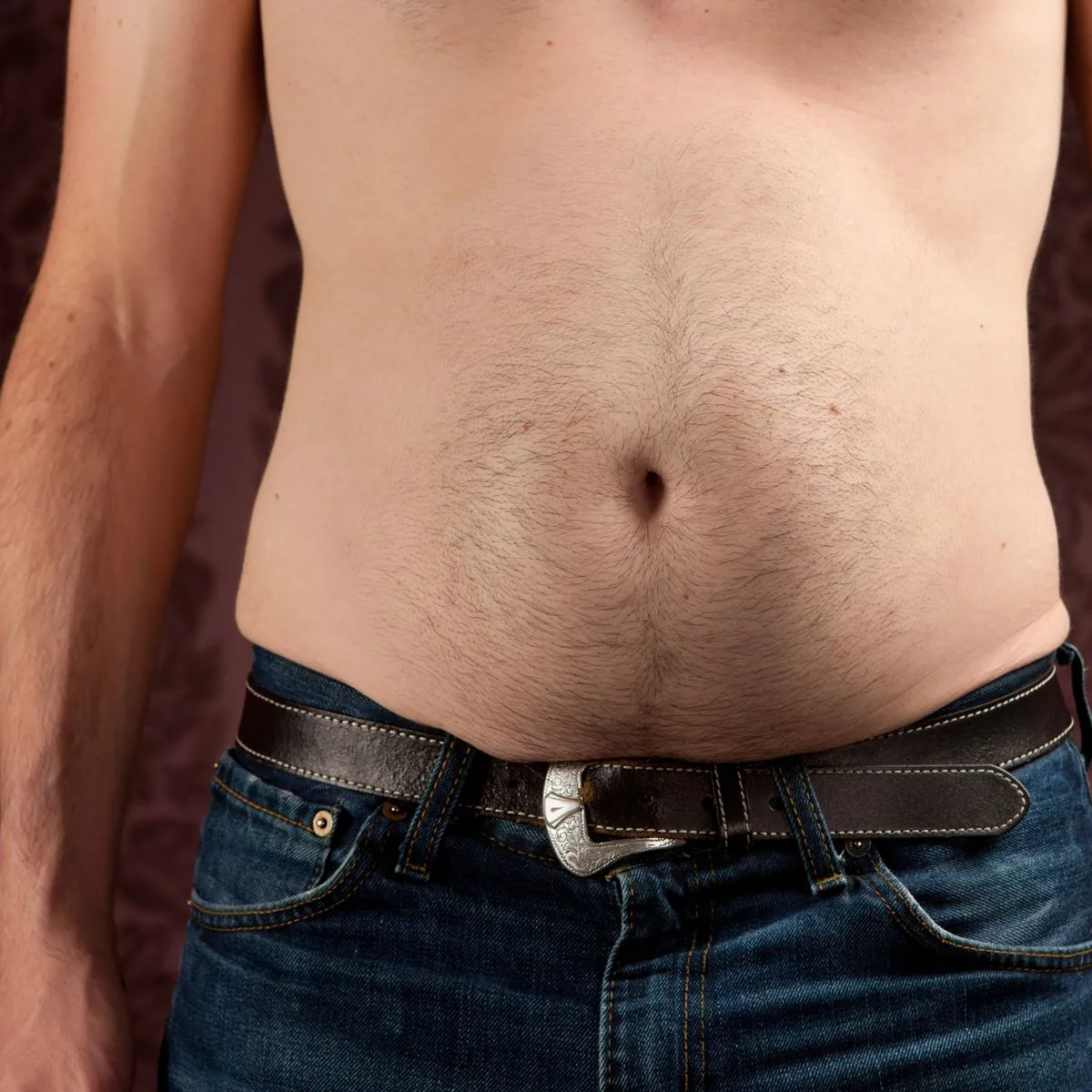
- Shower daily and wash the navel with mild soap.
- Dry the area completely after every shower or swim.
- Wear breathable cotton underwear and loose clothing when possible.
- Change out of sweaty workout clothes promptly.
- Clean a navel piercing with saline as directed by your piercer or clinician.
- Check the navel regularly if you have diabetes or limited mobility, since small problems can worsen quickly.
Related guides
- How to Remove JB Weld: Proven Removal and Cleaning Methods in 2026
- How to Use Mineral Spirits on Wood for Cleaning and Prep in 2026
- How to Clean Polyurethane Brush: The Best Solvent Methods in 2026
Frequently Asked Questions
Is a smelly belly button a sign of something serious?
Most belly button odor comes from sweat, dead skin, or a minor infection and isn’t serious. However, discharge, spreading redness, pain, or fever can indicate a bacterial infection that needs prescription treatment. Rarely, persistent wetness or a fecal smell can point to a urachal remnant that requires surgical evaluation.
Can I use alcohol to clean my belly button?
Don’t put rubbing alcohol inside your navel unless a clinician directs you to. Alcohol can dry and irritate the skin, which may worsen odor or delay healing. Mild soap and water, followed by thorough drying, is usually enough.
How often should I clean my belly button?
Once a day is typical for most people. If you sweat heavily, have a deep navel, or have a piercing, you may need to rinse or wipe it more often. Always dry it completely afterward.
Will a yeast infection in the belly button go away on its own?
Mild cases sometimes improve with careful cleaning and drying, but a yeast infection often needs an antifungal cream recommended by a clinician. Without treatment, it can persist or spread to nearby skin folds.
Can an infected belly button piercing cause a poop-like smell?
Yes. An infected piercing can produce foul-smelling discharge. If the area around your jewelry is red, swollen, tender, or leaking fluid, see a clinician. Don’t remove the jewelry yourself unless advised, especially with a new piercing.
What does a urachal remnant have to do with belly button smell?
The urachus is a fetal tube between the bladder and the navel that normally closes before birth. If a small part remains open, fluid can leak from the belly button and may smell like urine or stool. This is uncommon but can cause ongoing odor and discharge that cleaning won’t fix.
Conclusion
If the smell doesn’t improve after a week of daily gentle cleaning and thorough drying, book an appointment with a primary care clinician or dermatologist. Bring a list of any products you have used on the area and note whether you have discharge, pain, or fever so the visit is as useful as possible.