

House smells like skunk but no skunk means the odor is coming from something else inside or around your home, not from a live animal. The most likely sources are a natural gas leak, a dead animal in the walls or crawl space, sewer gas coming up through a dry drain, or rotting food hidden in a cabinet. Each of these smells different up close, but from another room they can all read as that sharp, burnt-rubber musk people associate with skunks.
Why does my house smell like skunk?
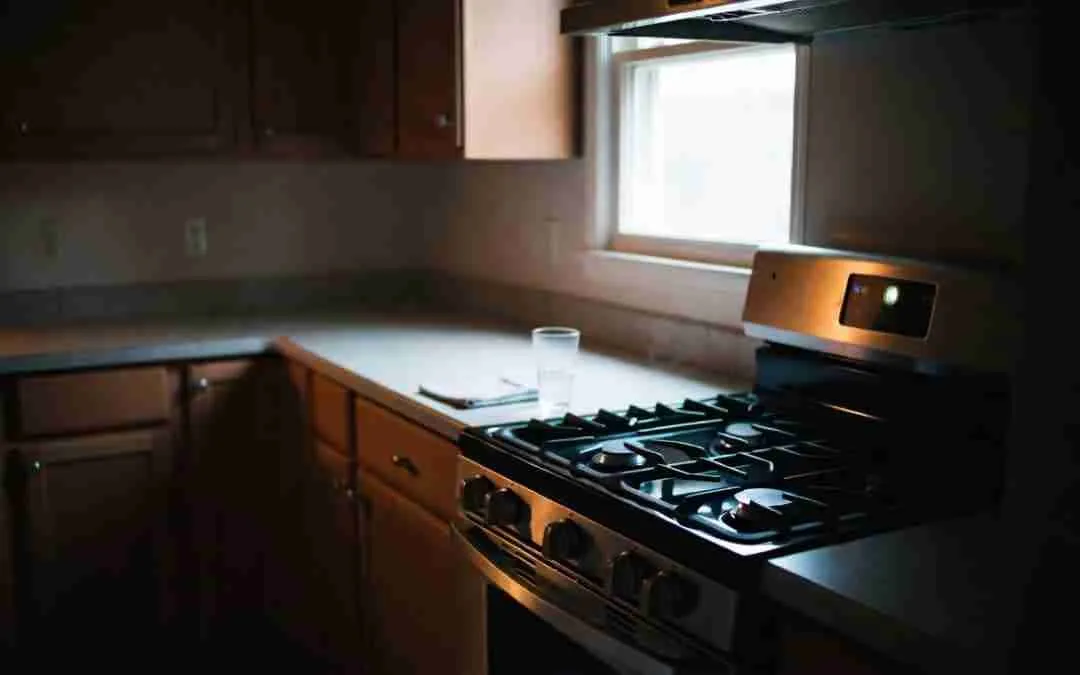
The list below covers the four most common sources of this odor. Every one is a real thing a homeowner can find without opening walls.
| What it is | What it smells like | Example |
|---|---|---|
| Natural gas leak | Sharp, skunk-like musk | Gas added to supply so leaks are noticed |
| Dead animal in walls | Rotting, skunk-like musk | Mouse or rat trapped behind drywall |
| Dry drain trap | Sewer gas, skunk-like | Floor drain in basement with no water |
| Rotting food | Sharp, skunk-like | Potato or onion forgotten in a pantry |
Natural gas leak
A natural gas leak is the fastest-moving cause of a skunk-like smell in a house. Utility companies add a sulfur-based odorant to gas so people can smell leaks before they become dangerous. If you notice the smell near a stove, furnace, water heater, or gas line, treat it as an emergency.
Open windows on your way out, leave the house immediately, and call your gas company or emergency services from outside. Don’t flip light switches, unplug anything, or use a phone inside the house — a spark can ignite the gas.
If the smell is strongest near an appliance, that appliance is the likely source. If it’s everywhere at once, the leak may be in a supply line. Either way, don’t go back inside until a professional says it’s safe.
Dead animal in walls
A dead mouse, rat, or other small animal trapped inside a wall, ceiling, or crawl space gives off a rotting odor that many people describe as skunk-like. The smell usually starts faint and gets stronger over several days, then fades as the body dries out. It’s often strongest in one room or near a floor vent, and you may hear scratching or movement before the smell begins.
If you can reach the area safely — such as a crawl space or an accessible attic — look for the source. Otherwise, don’t cut into drywall yourself. A pest control professional can find and remove the animal and seal the entry point so it doesn’t happen again.
Dry drain trap
Every sink, shower, and floor drain has a U-shaped trap that holds water and blocks sewer gas from coming up into the house. When a drain isn’t used for weeks, that water evaporates and sewer gas can escape. The result is a sharp, skunk-like odor that’s strongest right at the drain and often worse in basements, utility rooms, or guest bathrooms.
Run water down every unused drain for about thirty seconds, including floor drains and the drain in a rarely used shower. If the smell fades within an hour or two, the dry trap was the cause. Pouring a cup of water down a floor drain once a month keeps the trap filled.
Rotting food
A forgotten potato, onion, or piece of produce in a pantry, under the refrigerator, or behind a cabinet can rot and release a sharp, skunk-like smell. The odor is usually confined to one area and gets stronger when you open the cupboard or move the item nearby. Check under sinks, inside crisper drawers, and behind appliances where food can fall and be forgotten.
Throw out anything spoiled, wipe the area with soap and water, and the smell should clear within a day. If it does not, look again — there may be a second item you missed.
How to tell what is causing it

The checks below are safe for any homeowner. Rank the causes by where the smell is strongest and how it behaves.
| If the smell is | Check this first | What it likely is |
|---|---|---|
| Strongest near a stove, furnace, or gas appliance | Leave and call the gas company | Natural gas leak |
| Strongest in one room, gets worse over days | Look in attic, crawl space, vents | Dead animal |
| Strongest at a drain, worse in basement | Run water down the drain | Dry drain trap |
| Strongest in a pantry or under a cabinet | Look for spoiled food | Rotting food |
If you smell gas, leave first and check later. A gas leak is the only item on this list that can cause an explosion or illness within minutes. If you aren’t sure, call your gas company — they would rather check a false alarm than miss a leak.
What to do next
Start by walking through the house and noting where the smell is strongest. If it’s near any gas appliance or line, leave the house and call your gas company or emergency services from outside. If there’s no gas smell, run water down every unused drain and check pantries and cabinets for spoiled food.
If the odor stays in one room and gets stronger over a few days, call a pest control professional to look for a dead animal in the walls or crawl space. Stop and get help if you feel dizzy or nauseous, if you can’t find the source, or if the smell returns after you have run water and thrown out spoiled food.
Frequently asked questions
Can a skunk smell come from inside the walls without a skunk being there?
Yes. A dead mouse or rat inside a wall, ceiling, or crawl space produces a rotting, skunk-like odor that can spread through the house. The smell usually builds over several days and is strongest in one room or near a vent.
Why does my house smell like skunk at night?
Natural gas leaks and sewer gas odors often seem stronger at night because the house is closed up and there are fewer competing smells. If the odor appears only when the furnace or stove runs, a gas leak is the likely cause and you should leave and call your gas company.
How long does a dead animal smell last in a house?
The odor can last from a few days to a few weeks, depending on the size of the animal and the temperature. It fades as the body dries out, but the source should still be removed to avoid pests and lingering smell.
Is it safe to stay in the house if it smells like skunk?
Not if you suspect a gas leak. Leave immediately and call your gas company or emergency services from outside. For other causes, staying is generally fine while you look for the source, but leave if anyone feels dizzy, nauseous, or develops a headache.
What happens if I ignore a skunk-like smell?
A gas leak can lead to fire or explosion. A dead animal can draw insects and leave a stain. A dry drain only needs water. Ignoring the smell means you can’t tell which one you’re dealing with.
Does it matter which room the smell is in?
Yes. A smell near gas appliances points to a leak. A smell in one room suggests a dead animal. A smell at a basement drain means a dry trap. A smell in the kitchen pantry usually means spoiled food.
Can I fix a dry drain trap myself?
Yes. Run water down the drain for about thirty seconds to refill the trap. If the smell comes back, the drain may need a professional inspection. Pouring water down unused drains once a month prevents it from happening again.
Should I call a plumber or pest control for a skunk smell?
Call your gas company first if you suspect gas. If there’s no gas smell, run water down the drains and check for spoiled food. If the odor is confined to one room and gets stronger, call pest control for a dead animal. If you can’t find the source, call a plumber or HVAC technician to inspect drains and gas lines.
Conclusion
If you can’t pinpoint the source after a quick check, don’t wait for the scent to fade on its own. It’s safer to call a professional who can rule out dangerous gas leaks or hidden pests. You’ll feel much better once your home smells fresh again and you’ve got peace of mind.