

A fridge smells like nail polish remover when acetone fumes build up inside the cabinet. That sharp solvent scent usually points to a refrigerant leak from the sealed cooling system, but it can also come from spilled nail polish remover, fermenting foods, or chemical residues on shelves and door seals. Before you toss groceries or call a technician, check the simple causes first.
Key Takeaways

- Acetone or nail polish remover odors often mean a refrigerant leak, which needs a certified technician.
- Unplug the fridge and air it out before cleaning to avoid inhaling fumes.
- Wipe shelves, bins, and door gaskets with warm water and mild dish soap; baking soda absorbs lingering smells.
- Check for spills behind drawers and under crisper bins where liquids pool unseen.
- If the smell returns after cleaning or the compressor runs constantly, schedule a service visit.
Safety: Inside a mains-powered machine, the parts behind the outer cover can hold a dangerous electrical charge even after it has been unplugged — that’s why they sit behind a cover. Opening the housing, or testing or replacing anything behind it, is a job for a qualified technician, never a home repair.
Causes for Fridge Smells Like Nail Polish Remover
Refrigerant Leak From the Sealed System
Modern refrigerators use refrigerant gases such as R-134a or R-600a to move heat out of the cabinet. When a copper line, evaporator coil, or joint develops a pinhole leak, the gas escapes and can carry a sweet, solvent-like odor that many people describe as nail polish remover. Because the system is sealed, you should never see oily residue or hear a hiss under normal operation.
A leaking system can’t hold pressure, so the compressor runs longer and the interior warms up. You may notice soft ice cream, milk spoiling early, or frost forming only in one corner of the freezer. This isn’t a DIY repair. Handling refrigerant requires certification, and the technician must find the leak, repair it, and recharge the system to the manufacturer’s charge weight.
Spilled Nail Polish Remover or Acetone Products
If someone stored an open bottle of nail polish remover, acetone-based cleaner, or nail polish on a shelf and it tipped over, the liquid soaks into shelf liners, gaskets, and polystyrene foam insulation. Acetone evaporates quickly, but the vapor clings to porous surfaces and recirculates every time the fan turns on. Check the door shelves first, since bottles stored there are easily knocked over.
Fermenting or Spoiled Foods
Overripe fruit, fermenting vegetables, and spoiled dairy can release sharp, chemical-smelling vapors. A forgotten container of yogurt or a leaking bag of onions in the crisper can produce an odor that smells more industrial than food-like. Empty the fridge completely and inspect every item before assuming the appliance itself is at fault.
Cleaning Residue and New-Plastic Odor
Strong cleaners, especially those containing ammonia, bleach, or solvents, can leave a chemical film on shelves and bins. A brand-new refrigerator may also off-gas plastic and adhesive smells for the first week or two. If the fridge was recently cleaned or delivered, give it a few days of airflow before looking for a mechanical fault.
Where to Look First
Start with the easiest checks and work toward the mechanical possibilities.
- Open the door and stand back for a moment. Note whether the smell is strongest near the top, bottom, or back wall.
- Remove all food and check expiration dates. Toss anything suspect.
- Pull out crisper drawers, shelves, and door bins. Look for sticky residue, pooled liquid, or mold under the glass and plastic.
- Inspect the door gasket. Wipe along the fold with a damp cloth; grime and mildew hide in the creases.
- Look behind the kick plate at the bottom rear. Compressor drip pans and condenser coils can collect debris that smells when warm.
If you find a spill, clean it and see whether the odor fades over 24 to 48 hours. If the fridge is empty and the smell persists, move to the deeper cleaning steps below.
How to Clean the Interior Safely
Unplug the refrigerator before cleaning. This protects you and stops the compressor from circulating air while you work.
- Remove all shelves, bins, and drawers and wash them in the sink with warm water and mild dish soap.
- Wipe the interior walls, ceiling, and floor with a soft cloth and the same soapy water. Avoid abrasive scouring pads that scratch plastic.
- Clean the door gasket with a cloth dampened in warm, soapy water, then dry it thoroughly.
- Mix two tablespoons of baking soda into a quart of warm water and wipe surfaces again to neutralize odors.
- Leave the door open for at least two hours so the interior can dry completely.
Don’t use acetone, nail polish remover, bleach, or oven cleaner inside the fridge. These can damage plastic liners and leave fumes that contaminate food.
Odor Absorbers That Actually Work

After cleaning, place an open box of baking soda on a middle shelf. Replace it every three months. Activated charcoal fridge filters and zeolite odor absorbers can also trap lingering chemical vapors. Avoid scented air fresheners, which only mask the smell and can taint food.
Refrigerator Odor Solutions
| Option | How It Works | Typical Replacement |
|---|---|---|
| Baking soda box | Absorbs airborne odors | Every 3 months |
| Activated charcoal filter | Traps chemical vapors in pores | Every 2–3 months |
| Zeolite packets | Adsorb strong smells | Every 1–2 months |
| Fresh coffee grounds | Temporary odor masking | Weekly |
Warning Signs of a Refrigerant Leak
If cleaning doesn’t remove the smell, watch for these mechanical clues:
- The compressor runs almost continuously and the fridge never reaches the set temperature.
- Frost builds up on only one section of the evaporator coil or freezer wall.
- You hear a faint hissing or gurgling near the back of the unit when the compressor cycles off.
- An oily stain appears on refrigerant lines or at the base of the appliance.
- Food spoils faster than normal even though the thermostat is unchanged.
A refrigerant leak is a sealed-system problem. Only an EPA-certified technician should recover remaining gas, brazing or replace the leaking component, evacuate the system, and recharge it to specification.
What a Repair Typically Costs
Refrigerant leak repairs are priced by labor, parts, and the amount of refrigerant required. Rates vary by region and by whether the leak is in an accessible line or buried in the evaporator coil.
Typical Refrigerator Repair Costs
| Repair Type | Typical Cost Range | What It Covers |
|---|---|---|
| Leak diagnosis and recharge | $200–$400 | Technician visit, leak check, refrigerant top-up |
| Evaporator coil replacement | $450–$750 | Coil, labor, brazing, system recharge |
| Compressor replacement | $500–$1,000 | New compressor, installation, recharge |
| Full sealed-system repair | $600–$1,200 | Leak repair, filter-drier, evacuation, recharge |
If your refrigerator is more than ten to twelve years old, compare the repair estimate against the price of a new energy-efficient model. A new top-freezer refrigerator often runs $700–$1,500, while French-door models can exceed $2,000.
When to Call a Technician
Call a licensed appliance repair service when:
- The chemical smell persists after a full cleaning and two days of airflow.
- The fridge isn’t cooling properly or the freezer is warm.
- You see oil or residue on refrigerant tubing.
- The compressor is hot to the touch or short-cycling every few minutes.
Ask whether the technician is EPA Section 608 certified to handle refrigerants. Request a written estimate before work begins, and ask if the service fee applies toward the repair if you proceed.
Keeping Your Fridge Smell-Free
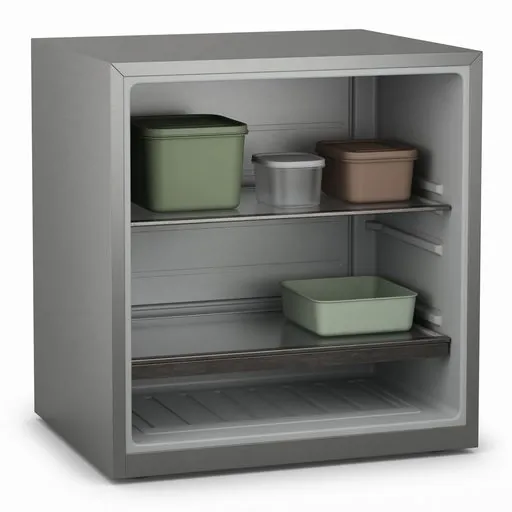
- Wipe spills immediately, especially from meat, dairy, and juices.
- Store open containers of leftovers in sealed glass or plastic.
- Place an open box of baking soda on a shelf and mark the replacement date on the box.
- Vacuum the condenser coils behind or beneath the unit every six months.
- Check the door gasket monthly; a loose seal lets warm, moist air in and encourages mold.
Related guides
Frequently Asked Questions
Is a nail polish remover smell in the fridge dangerous?
A faint odor from a spill is mainly unpleasant, but a refrigerant leak can displace oxygen in a small, unventilated space and some refrigerants are flammable. Ventilate the kitchen, unplug the fridge, and call a certified technician if you can’t find the source.
Can I fix a refrigerant leak myself?
No. Refrigerant handling requires EPA certification and specialized tools. Adding gas without finding and fixing the leak only wastes money and releases more refrigerant into the atmosphere.
How long does it take for the smell to go away after cleaning?
Most food-related and cleaning-related odors fade within 24 to 48 hours once the interior is washed and dried. If the smell is still strong after three days, suspect a mechanical problem.
Will baking soda remove a refrigerant odor?
No. Baking soda absorbs food and spill odors, but it won’t remove refrigerant fumes or stop a leak. The sealed system must be repaired by a professional.
Should I throw out all my food if the fridge smells like acetone?
If the odor came from a spill and the food was sealed, it’s likely fine after you wash containers. If the fridge has been warm for hours because of a cooling failure, discard perishable items such as meat, dairy, and cut produce.
How often should I replace the baking soda box?
Replace it every three months, or sooner if it has absorbed a strong spill odor. Write the date on the box so you remember.
Conclusion
Unplug the fridge, empty it, and give the interior a thorough cleaning today. If the nail polish remover smell is still there after two days, schedule a licensed appliance technician to check for a refrigerant leak.