
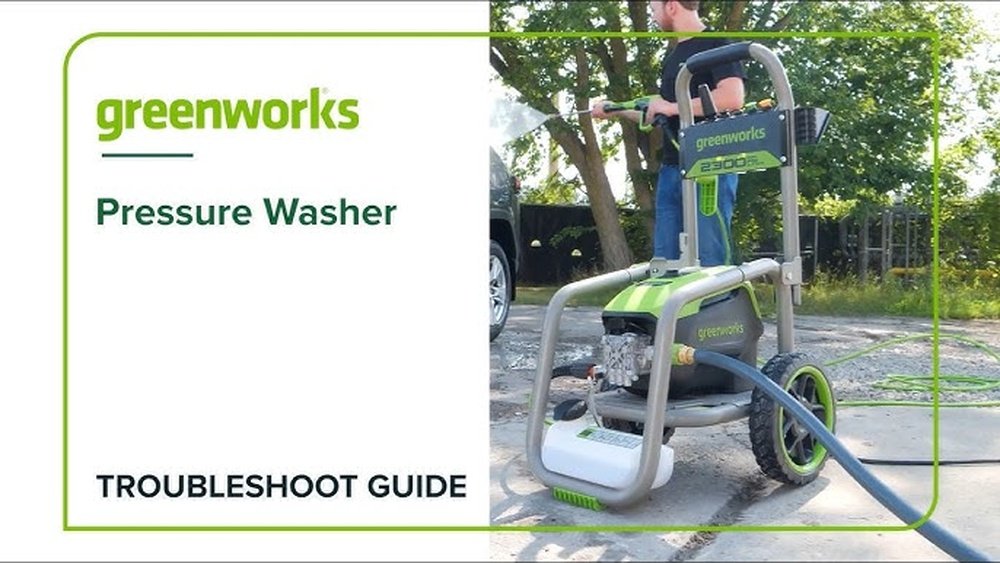
Greenworks pressure washers are renowned for their power, reliability, and user-friendliness, making them a popular choice for homeowners tackling everything from muddy driveways to grimy patio furniture. However, like any piece of machinery, they can occasionally encounter issues. Understanding common Greenworks pressure washer problems and their solutions can save you time, money, and frustration.
This guide provides a comprehensive troubleshooting approach to get your Greenworks pressure washer back to peak performance.
When your Greenworks pressure washer isn’t performing as expected, it’s easy to feel overwhelmed. Whether it’s a lack of pressure, inconsistent spraying, or the engine refusing to start, a systematic approach is key. This article will equip you with the knowledge to diagnose and resolve a wide range of issues, empowering you to maintain your equipment effectively and extend its lifespan.
We’ll cover everything from simple checks to more complex fixes, ensuring you can confidently address most common problems.
Key Takeaways
- Low Pressure: Often caused by clogged nozzles, kinked hoses, faulty inlet filters, or issues with the unloader valve.
- No Water Output: Check for water supply issues, air in the system, blocked inlet filters, or a tripped GFCI (for electric models).
- Engine Won’t Start (Gas Models): Common culprits include no fuel, stale fuel, spark plug issues, blocked fuel lines, or problems with the carburetor.
- Pump Issues: Leaks, overheating, or strange noises can indicate problems with seals, valves, or the need for lubrication.
- Hose Problems: Kinks, leaks, or damage to the high-pressure hose can significantly impact performance.
- Electrical Issues (Electric Models): Tripped GFCI outlets, faulty power cords, or internal motor problems can halt operation.
- Regular Maintenance: Proactive care, including cleaning filters, checking oil, and proper winterization, is crucial for preventing most issues.

Credit: www.youtube.com
Common Greenworks Pressure Washer Problems And Solutions
Troubleshooting your Greenworks pressure washer effectively begins with understanding the most frequent issues users encounter. These problems can range from minor inconveniences to significant operational failures. By systematically working through potential causes, you can often identify and resolve the issue without needing professional assistance.
Lack Of Pressure Or Weak Spray
One of the most common complaints is a noticeable drop in pressure or a weak, inconsistent spray. This can significantly hinder your cleaning tasks. Several factors can contribute to this problem.
Clogged Nozzle
The spray nozzle is the focal point for pressure. Over time, debris, mineral deposits, or hardened detergent can accumulate and restrict water flow, leading to reduced pressure.
- Diagnosis: Visually inspect the nozzle tip for any visible blockages.
- Solution:
- Carefully remove the nozzle from the spray wand.
- Use a thin wire, paperclip, or a specialized nozzle cleaning tool to dislodge any debris.
- Flush the nozzle with clean water.
- If deposits are stubborn, soak the nozzle in a vinegar and water solution for a few hours before cleaning.
- Reattach the nozzle and test the pressure.
Kinked Or Damaged Hose
A kink in either the garden hose supplying water or the high-pressure hose can severely restrict water flow and pressure. Damage to the high-pressure hose can also lead to leaks, further reducing effective pressure.
- Diagnosis: Inspect the entire length of both hoses for any sharp bends, kinks, or visible damage like cuts or abrasions.
- Solution:
- Straighten any kinks in the hoses. Ensure they are laid out properly before operation.
- For damaged high-pressure hoses, replacement is usually necessary for safety and performance. Never attempt to repair a damaged high-pressure hose, as it can burst under pressure.
Clogged Inlet Water Filter
The inlet filter, typically located where the garden hose connects to the pressure washer, prevents debris from entering the pump. A clogged filter will restrict water flow into the pump, resulting in low pressure.
- Diagnosis: Disconnect the garden hose from the pressure washer and remove the filter screen.
- Solution:
- Remove the filter screen.
- Rinse it thoroughly under running water. Use a soft brush if necessary to remove stubborn debris.
- Inspect the filter for any tears or damage. If damaged, replace it.
- Reinsert the clean filter and reconnect the garden hose.
Issues With The Unloader Valve
The unloader valve regulates water flow and pressure within the system. If it’s faulty, stuck, or improperly adjusted, it can lead to low pressure or inconsistent output. This is a more complex component and may require professional attention if basic troubleshooting doesn’t resolve the issue.
- Diagnosis: Listen for unusual sounds from the unloader valve area. Check the adjustment screw if your model allows for it, but proceed with caution.
- Solution:
- Consult your Greenworks pressure washer’s manual for specific instructions on the unloader valve.
- Ensure it’s correctly adjusted according to the manufacturer’s specifications.
- If it appears damaged or stuck, it may need to be replaced.
Air In The System
Trapped air in the pump or hoses can disrupt water flow and cause intermittent pressure loss.
- Diagnosis: You might hear sputtering or see air bubbles in the water stream.
- Solution:
- Ensure the water supply is fully on.
- With the engine running (or motor on for electric models) and the spray gun trigger pulled, let the water run for a minute or two to purge any air.
- Ensure all connections are tight to prevent air from being drawn into the system.
No Water Output
If your Greenworks pressure washer isn’t producing any water at all, it’s a more critical issue that requires immediate attention.
Insufficient Water Supply
The pressure washer needs an adequate supply of water to operate. If the garden hose is not fully connected, kinked, or the water source pressure is too low, the pump may not be able to draw water.
- Diagnosis: Check the water source. Is the tap fully open? Is the garden hose connected securely at both ends?
- Solution:
- Ensure the water tap is fully open.
- Verify the garden hose is connected securely to both the tap and the pressure washer inlet.
- Remove any kinks from the garden hose.
- Check the water pressure from your tap; it should be at least [mention a typical minimum, e.g., 20 PSI] for optimal performance.
Tripped Gfci Outlet (electric Models)
For electric Greenworks pressure washers, a Ground Fault Circuit Interrupter (GFCI) outlet is a safety feature that will shut off power if it detects an imbalance in the electrical current.
- Diagnosis: Check the GFCI outlet the pressure washer is plugged into. Look for a “reset” button.
- Solution:
- Press the “reset” button on the GFCI outlet.
- If it trips again immediately, there might be an issue with the pressure washer’s electrical cord or internal components, or the GFCI outlet itself may be faulty. Try plugging into a different GFCI outlet.
Blocked Inlet Filter
As mentioned previously, a severely blocked inlet filter can prevent any water from reaching the pump.
- Diagnosis: Disconnect the garden hose and inspect the inlet filter.
- Solution: Thoroughly clean the inlet filter as described in the “Lack of Pressure” section.
Air Lock In The Pump
If the pump has run dry or been stored improperly, air can become trapped, preventing water intake.
- Diagnosis: Listen for unusual noises or lack of water flow.
- Solution:
- Ensure the unit is connected to a water source and the tap is fully open.
- With the spray gun trigger pulled, allow the water to run for several minutes to expel any trapped air.
- For gas models, ensure the engine is running smoothly.
Engine Won’t Start (gas Models)
Gas-powered Greenworks pressure washers offer portability and power, but starting issues are common.
No Fuel Or Stale Fuel
The most basic reason an engine won’t start is a lack of fuel or the use of old, degraded gasoline. Gasoline can go stale in as little as 30 days, especially if it contains ethanol, which absorbs moisture.
- Diagnosis: Check the fuel tank. Does it contain fresh gasoline?
- Solution:
- Fill the fuel tank with fresh, unleaded gasoline (check your manual for the correct octane rating).
- If the fuel is old, drain the fuel tank and carburetor bowl and refill with fresh fuel. Dispose of old fuel responsibly.
- Consider using a fuel stabilizer if the pressure washer will be stored for extended periods.
Spark Plug Issues
A dirty, fouled, or improperly gapped spark plug can prevent the engine from igniting the fuel-air mixture.
- Diagnosis: Remove the spark plug and inspect it. Look for signs of carbon buildup, damage, or incorrect gap.
- Solution:
- Clean the spark plug with a wire brush.
- If it appears damaged or excessively worn, replace it with a new one recommended by Greenworks.
- Ensure the spark plug gap is set correctly according to your owner’s manual.
- Ensure the spark plug wire is securely attached.
Blocked Fuel Lines Or Filter
Debris or sediment in the fuel system can prevent fuel from reaching the carburetor.
- Diagnosis: Inspect the fuel lines for kinks or blockages. Check the inline fuel filter if your model has one.
- Solution:
- Clean or replace any clogged fuel filters.
- If fuel lines appear blocked, they may need to be replaced.
Carburetor Problems
The carburetor is responsible for mixing fuel and air. If it’s dirty or malfunctioning, the engine won’t start or run properly.
- Diagnosis: This is a more complex issue. Symptoms can include flooding, sputtering, or an inability to idle.
- Solution:
- Try cleaning the carburetor using a carburetor cleaner spray.
- For persistent issues, the carburetor may need to be rebuilt or replaced. This often requires specialized knowledge, so consulting your manual or a professional is recommended.
Air Filter Blockage
A dirty air filter restricts airflow to the engine, affecting the fuel-air mixture and potentially preventing starting.
- Diagnosis: Locate and inspect the air filter.
- Solution:
- Remove the air filter.
- Clean it according to your manual’s instructions (some are washable, others need replacement).
- If the filter is heavily soiled or damaged, replace it.
Pump Issues
The pump is the heart of the pressure washer. Problems here can be serious and often require immediate attention to prevent further damage.
Leaking Pump Seals
Worn or damaged seals within the pump can cause water to leak out, reducing pressure and potentially damaging the pump housing if run dry.
- Diagnosis: Visually inspect the pump assembly for drips or puddles of water.
- Solution: Leaking pump seals typically require pump disassembly and replacement of the seals. This is often a job best left to a qualified service technician.
Overheating Pump
Running the pressure washer without sufficient water supply or for extended periods without breaks can cause the pump to overheat. Many models have thermal relief valves that will shut off the pump if it gets too hot.
- Diagnosis: The pump housing will feel excessively hot to the touch. You might notice a decrease in pressure or the unit shutting down.
- Solution:
- Immediately turn off the pressure washer and disconnect the water supply.
- Allow the unit to cool down completely.
- Ensure an adequate water supply is connected and flowing before restarting.
- Avoid prolonged use without breaks.
Unusual Pump Noises
Grinding, rattling, or knocking sounds from the pump can indicate internal damage, lack of lubrication, or issues with the connecting rod or crankshaft.
- Diagnosis: Listen carefully to the source and type of noise.
- Solution:
- Check the oil level in the pump (if applicable to your model). Low oil can cause significant damage. Top up or change the oil as per the manual.
- Ensure the pump is properly connected to the engine/motor.
- If the noise persists, it may indicate internal pump damage requiring professional repair or replacement.
Electrical Issues (electric Models)
Electric Greenworks pressure washers rely on a stable power source. Electrical faults can be hazardous and require careful handling.
Faulty Power Cord Or Extension Cord
A damaged power cord or an undersized or damaged extension cord can lead to power loss, intermittent operation, or electrical hazards.
- Diagnosis: Inspect the power cord and any extension cords for cuts, fraying, or damage.
- Solution:
- Never use a damaged power cord or extension cord. Replace them immediately.
- Ensure any extension cord used is rated for outdoor use and is of sufficient gauge (thickness) for the amperage draw of the pressure washer. A common recommendation is 12-gauge for lengths up to 50 feet.
Internal Motor Problems
If the GFCI is not tripping and the power supply is confirmed to be adequate, the issue might lie within the electric motor itself.
- Diagnosis: The motor may hum but not spin, or simply show no signs of life.
- Solution: Internal motor issues typically require professional diagnosis and repair or replacement of the motor unit.
Detergent System Not Working
Many Greenworks pressure washers come with a detergent tank or siphon hose for applying cleaning solutions. If it’s not dispensing detergent, it can be frustrating.
Clogged Detergent Filter Or Siphon Tube
Debris or dried detergent can clog the filter at the end of the siphon tube or the tube itself.
- Diagnosis: Check the detergent tank and siphon tube for blockages.
- Solution:
- Remove the siphon tube from the detergent tank.
- Clean the filter at the end of the tube.
- Flush the tube with water.
- Ensure the detergent setting on your pressure washer is correctly selected (often requires using a low-pressure nozzle).
Incorrect Nozzle Selection
Most pressure washers only draw detergent when set to a low-pressure setting, usually indicated by a specific nozzle (often black) or a “soap” setting.
- Diagnosis: Check which nozzle is currently attached and the pressure washer’s setting.
- Solution:
- Ensure you are using the correct low-pressure nozzle or have selected the “soap” setting on your unit.
- Refer to your owner’s manual for specific instructions on detergent application.

Credit: www.youtube.com
Routine Maintenance For Preventing Problems
Proactive maintenance is the most effective way to prevent many common Greenworks pressure washer issues. Regular checks and cleaning can significantly extend the life of your equipment and ensure reliable performance.
Cleaning Filters Regularly
The inlet water filter and air filter (on gas models) are critical components that require frequent cleaning.
- Inlet Water Filter: Clean after every few uses, or more often if you use the pressure washer in dusty or dirty environments. A clogged filter is a primary cause of low pressure.
- Air Filter (Gas Models): Clean or replace the air filter according to the schedule in your owner’s manual, typically every 25-50 operating hours. A dirty air filter starves the engine of air, impacting performance and potentially causing starting problems.
Checking And Changing Oil
For gas-powered models, the engine oil and pump oil (if separate) are vital for lubrication and cooling.
- Engine Oil (Gas Models): Check the engine oil level before each use and top up as needed. Change the oil according to the manufacturer’s recommended intervals (often every 50-100 operating hours).
- Pump Oil: Some pumps require oil. Check the level periodically and change it as recommended. Using the correct type of oil is crucial. Greenworks often recommends specific synthetic pump oils.
Inspecting Hoses And Connections
Before each use, quickly inspect the garden hose, high-pressure hose, and all connections.
- Hoses: Look for kinks, cracks, abrasions, or bulges.
- Connections: Ensure all fittings are tight and free from leaks. Tighten hose clamps or threaded connections as necessary.
Proper Winterization (gas Models)
If you live in a climate with freezing temperatures, proper winterization is essential to prevent damage to the pump and other components.
- Procedure: This typically involves running antifreeze through the pump to prevent ice expansion. Always follow the specific winterization steps outlined in your Greenworks owner’s manual. This usually includes:
- Draining all water from the system.
- Running a non-toxic RV/marine antifreeze through the pump.
- Storing the unit in a dry, protected area.
Storing The Unit Properly
When not in use, store your pressure washer in a clean, dry place. Protect it from extreme temperatures and direct sunlight. Ensure hoses are coiled loosely to prevent kinks.

Credit: www.youtube.com
Troubleshooting Table: Quick Reference
Here’s a quick reference table to help you diagnose common Greenworks pressure washer issues.