
The musty, unpleasant odor of mold is often the first, and most persistent, sign of a hidden problem in a home or building. This damp, earthy smell can be incredibly off-putting, impacting comfort and even potentially signaling health concerns. Many homeowners and property managers immediately reach for cleaning supplies, hoping to eradicate both the visible mold and its accompanying stench. But a common question arises: does mold smell truly go away after cleaning? The answer is nuanced, depending on the thoroughness of the cleaning, the extent of the mold infestation, and the underlying causes of its growth.
Simply wiping down a surface where mold has appeared might offer temporary relief, but the persistent nature of the smell often indicates that the problem hasn’t been fully addressed. Mold is a living organism that thrives in moist environments, and its spores are microscopic, capable of spreading far beyond what is visible to the naked eye.
The smell itself is a byproduct of the mold’s metabolic processes, releasing volatile organic compounds (VOCs) into the air. Therefore, to truly eliminate the odor, the source of the mold must be identified and removed, and the conditions that allowed it to grow must be corrected.
This article will explore the complexities of mold smell, its relationship to cleaning efforts, and the steps necessary for its complete eradication.
Key Takeaways
- Mold smell is a direct indicator of mold presence and its VOC emissions. The odor itself is a byproduct of mold’s metabolic processes.
- Surface cleaning alone is often insufficient. If the root cause of moisture and the full extent of the mold colony are not addressed, the smell will likely return.
- Complete mold removal requires identifying and eliminating the moisture source. This is the most critical step to prevent recurrence.
- The type of mold and the materials affected influence smell persistence. Porous materials absorb odors more deeply.
- Professional assessment is recommended for significant infestations. This ensures thorough removal and proper remediation.
- Ventilation and air purification can help manage residual odors. However, they are supplementary to actual mold remediation.
Understanding The Science Behind Mold Odor
The distinctive smell associated with mold is not just an unpleasant sensory experience; it’s a chemical signal. Mold, a type of fungus, grows by breaking down organic matter. As it grows and reproduces, it releases microscopic spores into the air. Simultaneously, it produces volatile organic compounds (VOCs). These VOCs are gases that have a strong odor, often described as musty, earthy, or even like wet socks. The concentration and specific types of VOCs released can vary depending on the mold species, the substrate it’s growing on, and environmental conditions like humidity and temperature.
When you detect a mold smell, it signifies that mold is actively growing and releasing these VOCs. The intensity of the smell generally correlates with the size and activity level of the mold colony. A faint smell might indicate a small, early-stage infestation, while a strong, pervasive odor suggests a more significant problem that could be widespread. It’s important to understand that these VOCs can travel through the air, allowing you to smell mold even if you can’t see it directly. This makes the smell a crucial warning sign of potential mold growth within walls, under flooring, or in hidden damp areas.
Volatile Organic Compounds (vocs) And Their Role
VOCs are carbon-containing chemicals that readily evaporate at room temperature. In the context of mold, these compounds are metabolic byproducts. Common VOCs produced by mold include geosmin, which contributes to the earthy smell, and 2-methylisoborneol (MIB), which can smell like mildew. Other compounds can produce more acrid or pungent odors. The human nose is highly sensitive to these compounds, which is why even small amounts can be detected.
The release of VOCs is not constant; it can fluctuate based on the mold’s life cycle and environmental factors. For instance, increased humidity or temperature can accelerate mold growth and, consequently, increase VOC production and odor intensity. Conversely, drying out an area might reduce the immediate smell, but it doesn’t necessarily mean the mold has been eradicated.
The VOCs can linger in the air and on surfaces for some time.
Porous Vs. Non-porous Materials
The material on which mold grows significantly impacts how the smell behaves. Non-porous materials like glass, metal, and hard plastics are relatively easy to clean. Mold growing on these surfaces can often be wiped away, and the VOCs don’t deeply penetrate. Therefore, cleaning these surfaces thoroughly can effectively remove the source of the odor.
Porous materials, however, present a greater challenge. These include materials like drywall, wood, carpet, upholstery, and insulation. Mold can penetrate the surface of these materials, and its hyphae (root-like structures) can grow deep within them. When mold grows on or within porous materials, the VOCs are absorbed, making the smell much harder to eliminate. Even if the visible mold is scrubbed off, the odor molecules can remain trapped within the material’s fibers or structure. In such cases, simply cleaning may not be enough; the affected porous materials might need to be removed and replaced to completely get rid of the smell.

Credit: www.wikihow.com
Why Surface Cleaning Often Fails To Eliminate Mold Smell
Many people assume that a quick scrub with household cleaners will solve the mold smell problem. While this might mask the odor temporarily or remove superficial mold growth, it rarely addresses the root cause or the full extent of the infestation. The persistence of the smell after cleaning is a strong indicator that the mold is still present, either in less accessible areas or within the materials themselves.
Incomplete Mold Removal
The most common reason for the smell returning is incomplete mold removal. Mold spores are microscopic and can spread through air currents, water droplets, or even on cleaning tools. If cleaning efforts don’t reach all the mold colonies, or if the cleaning tools themselves become contaminated, the mold will continue to grow and release VOCs. Especially in cases of hidden mold within wall cavities, under floorboards, or behind fixtures, surface cleaning is entirely inadequate.
Ignoring The Moisture Source
Mold requires moisture to grow. The smell will persist as long as the conditions that allowed the mold to thrive remain. Common moisture sources include:
- Leaks: Plumbing leaks, roof leaks, or foundation leaks.
- Condensation: On pipes, windows, or poorly insulated walls, especially in bathrooms and kitchens.
- High Humidity: Inadequate ventilation in damp areas like basements, laundry rooms, and bathrooms.
- Flooding: Water damage from storms or burst pipes.
If the source of moisture is not identified and repaired, the cleaned area will likely become re-colonized by mold, and the smell will inevitably return. Cleaning without addressing the underlying moisture issue is like trying to bail out a sinking boat without plugging the hole.
Residual Vocs And Mold Spores
Even after visible mold is removed, residual VOCs can remain trapped in the air and on surfaces, particularly within porous materials. These lingering compounds can continue to produce an odor. Furthermore, dormant mold spores, which are always present in the environment, can reactivate and begin growing again once conditions become favorable (i.e., when moisture returns). Therefore, the smell might fade slightly after cleaning but resurface with renewed intensity as the mold colony re-establishes itself.
The Illusion Of Cleanliness
Sometimes, the cleaning process itself can temporarily alter the air quality or mask odors. For example, the scent of cleaning products can overpower the musty smell for a short period. However, this is purely a masking effect. Once the cleaning product’s scent dissipates, the underlying mold odor will return if the mold itself has not been eliminated.
This can create a false sense of security, leading individuals to believe the problem is solved when it is not.

Credit: www.wikihow.com
When Cleaning Works: Small, Non-porous Surface Mold
There are specific scenarios where cleaning *can* effectively eliminate mold smell. These typically involve small, superficial patches of mold on non-porous surfaces where the underlying moisture issue is easily resolved.
Identifying Suitable Scenarios
- Small Spots on Tile or Grout: A few small, visible mold spots on bathroom tiles or grout lines can often be cleaned effectively.
- Mold on Glass or Metal: Mold growth on shower doors, metal fixtures, or windowsills can usually be wiped away.
- Minor Condensation-Related Growth: If mold has appeared due to brief periods of condensation on a non-porous surface and the condensation issue is quickly rectified (e.g., by improving ventilation), cleaning might suffice.
Effective Cleaning Techniques For Small Areas
For these limited cases, effective cleaning involves:
- Safety First: Wear gloves, eye protection, and a mask (N95 respirator recommended) to avoid inhaling spores or coming into contact with cleaning solutions.
- Cleaning Solution: Use a detergent and water solution for general cleaning. For tougher spots, a diluted bleach solution (1 part bleach to 10 parts water) can be effective on non-porous surfaces. However, avoid mixing bleach with ammonia or other cleaners, as this can create toxic fumes. Alternatively, specialized mold and mildew removers can be used.
- Scrubbing: Use a brush or sponge to scrub the moldy areas thoroughly.
- Rinsing and Drying: Rinse the area with clean water and dry it completely with a cloth or fan. Thorough drying is crucial.
- Ventilation: Ensure the area is well-ventilated during and after cleaning.
Even in these seemingly simple cases, it’s essential to monitor the area for a few weeks to ensure the mold does not return. If it does, it suggests that either the cleaning wasn’t thorough enough, or there’s a hidden moisture source that needs attention.
Credit: alen.com
When To Call The Professionals: Extensive Infestations
If you’re dealing with more than just a few small spots, or if the mold is growing on porous materials, it’s often time to bring in professional mold remediation specialists. These experts have the training, equipment, and experience to handle complex mold issues safely and effectively.
Signs You Need Professional Help
- Large Areas of Mold: If mold covers an area larger than about 10 square feet (roughly 3 feet by 3 feet).
- Mold on Porous Materials: Mold growing on drywall, wood, insulation, carpets, or ceiling tiles usually requires professional removal.
- Hidden Mold: If you suspect mold is growing inside walls, under floors, or in HVAC systems (indicated by persistent smells and no visible source).
- Health Concerns: If occupants of the building experience mold-related health symptoms like allergies, asthma exacerbation, or respiratory issues.
- Water Damage: Following significant water damage from flooding or leaks, professional assessment and remediation are often necessary.
- Persistent Odors: If you’ve attempted cleaning multiple times and the mold smell continues to return.
The Professional Remediation Process
Professional mold remediation typically involves several key steps:
- Inspection and Assessment: Professionals use specialized equipment (like moisture meters and thermal cameras) to locate the extent of the mold and identify moisture sources.
- Containment: The affected area is sealed off with plastic sheeting and negative air pressure to prevent mold spores from spreading to other parts of the building.
- Mold Removal: Depending on the material, mold is either cleaned (on non-porous surfaces) or removed and discarded (on porous materials like drywall or insulation). This often involves specialized cleaning agents and HEPA vacuums.
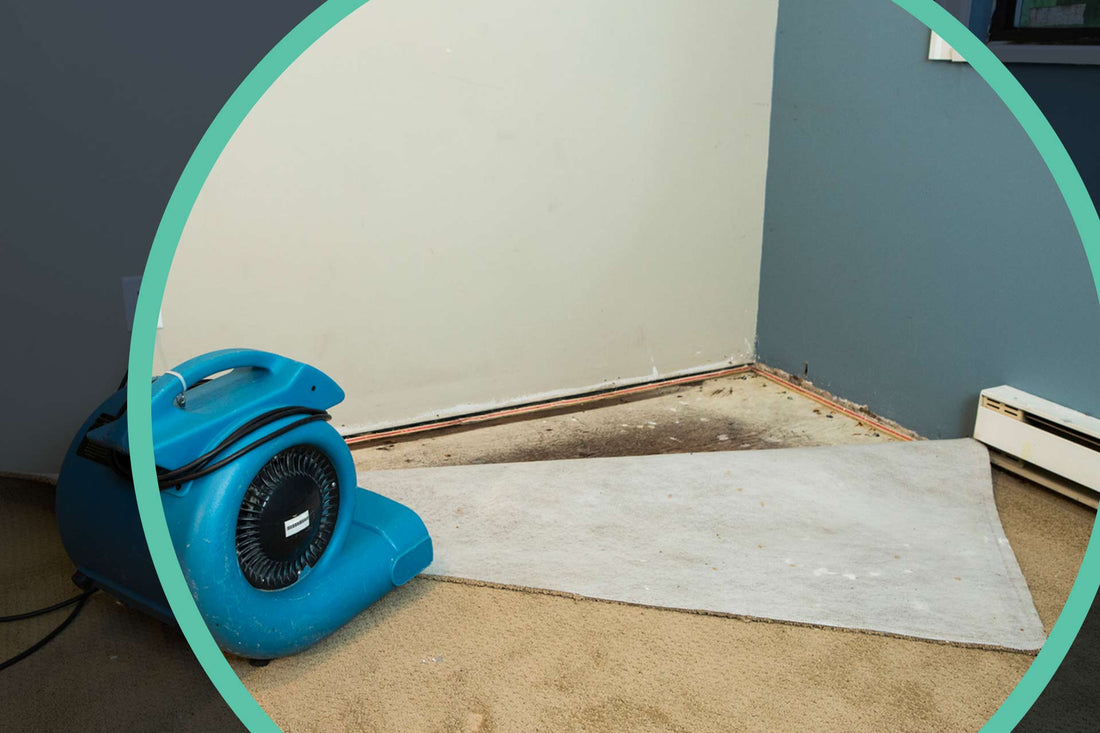
- Drying: Industrial dehumidifiers and air movers are used to thoroughly dry out the affected areas and materials.
- Odor Removal: Techniques like ozone treatment or hydroxyl generators may be used to neutralize any remaining odors.
- Reconstruction: Damaged materials are replaced, and the area is restored to its original condition.
- Post-Remediation Verification: An independent third party may conduct air quality testing to ensure the mold levels are back to normal.
Cost Considerations
The cost of professional mold remediation can vary significantly based on the size and complexity of the infestation. For small jobs, it might range from a few hundred dollars. For larger, more extensive projects involving structural damage, costs can run into thousands or even tens of thousands of dollars.
It’s often worth obtaining quotes from multiple reputable remediation companies.
Factors Influencing Odor Persistence
Several factors contribute to how long a mold smell might linger, even after cleaning attempts. Understanding these can help manage expectations and guide remediation efforts.
Type Of Mold
Different species of mold produce different VOCs. Some molds might produce more potent or persistent odors than others. For example, Stachybotrys chartarum (often called “black mold”) is known for its musty smell, but many other common molds like Aspergillus and Penicillium also produce distinct odors.
Identifying the specific mold species can sometimes be helpful, though often the remediation approach is similar regardless of the type.
Extent Of Contamination
As previously mentioned, the size of the mold colony directly impacts the intensity and persistence of the odor. A small, isolated patch might produce a faint smell that dissipates relatively quickly once cleaned. However, a widespread infestation, especially one that has penetrated building materials, will release a significant amount of VOCs, leading to a much more persistent and pervasive odor.
Environmental Conditions
The environment in which the mold grows and where the cleaning occurs plays a role.
- Humidity: High humidity levels can encourage mold growth and VOC release. Even after cleaning, if humidity remains high, the smell can return quickly.
- Temperature: Warmer temperatures can accelerate mold growth and VOC production.
- Airflow: Stagnant air can trap odors, making them linger longer. Good ventilation helps disperse VOCs, but it can also spread spores if not managed correctly during remediation.
Substrate Material (revisited)
The absorbent nature of porous materials cannot be overstated. Wood, drywall, insulation, and fabrics act like sponges for mold VOCs. Even if the mold itself is killed or removed, the odor molecules can remain embedded within the material’s structure. This is why smells can persist for weeks or months even after the visible mold is gone, especially if the affected materials are not replaced.
Strategies For Managing Lingering Odors
Even after successful mold remediation, a faint musty smell might linger for a period. This is often due to residual VOCs that are slowly dissipating. Several strategies can help manage and eliminate these lingering odors.
Ventilation Is Key
Continuous and adequate ventilation is crucial for dissipating trapped VOCs.
- Open Windows and Doors: When weather permits and outdoor air quality is good, open windows and doors to allow fresh air to circulate.
- Use Fans: Place fans strategically to improve airflow throughout the affected areas and exhaust stale air outside.
- Run Exhaust Fans: Ensure bathroom and kitchen exhaust fans are working properly and use them regularly.
Air Purification
Air purifiers equipped with activated carbon filters are highly effective at removing VOCs and odors from the air. Activated carbon has a large surface area that adsorbs odor molecules. Look for purifiers specifically designed for odor removal and ensure they have a substantial carbon filter component. HEPA filters in these units can also capture any remaining airborne mold spores.
Deodorizing Treatments
For persistent odors, especially those embedded in materials, specialized deodorizing treatments might be necessary.
- Ozone Generators: These devices produce ozone gas, which can neutralize odors by breaking down VOC molecules. However, ozone can be harmful to health and requires the area to be unoccupied during treatment, followed by thorough ventilation. They should only be used by professionals or with extreme caution.
- Hydroxyl Generators: Similar to ozone, hydroxyl generators create hydroxyl radicals that break down odor-causing compounds. They are generally considered safer than ozone generators for use in occupied spaces, but professional application is still recommended.
- Baking Soda or Activated Charcoal: For smaller areas or less intense odors, placing open containers of baking soda or activated charcoal can help absorb smells from the air.
Cleaning And Sealing Surfaces
After mold removal, thoroughly cleaning all affected surfaces again can help remove any remaining residue. For porous materials that were not replaced, sealing them with a mold-inhibiting primer and paint can encapsulate remaining odors and prevent future growth. This is particularly useful for basement walls or previously affected wooden structures.
Preventing Mold Recurrence And Odor
The most effective way to deal with mold smell is to prevent mold from growing in the first place. This involves controlling moisture and maintaining good indoor air quality.
Moisture Control: The Cornerstone Of Prevention
- Fix Leaks Promptly: Regularly inspect plumbing, roofs, and foundations for leaks and repair them immediately.
- Manage Humidity: Aim to keep indoor humidity levels between 30% and 50%. Use dehumidifiers in damp areas like basements and crawl spaces.
- Ensure Proper Ventilation: Use exhaust fans in bathrooms and kitchens, and ensure attics and crawl spaces are adequately ventilated. Consider installing an Energy Recovery Ventilator (ERV) or Heat Recovery Ventilator (HRV) for continuous fresh air exchange.
- Dry Wet Areas Quickly: Clean up spills and dry any wet areas within 24-48 hours to prevent mold from taking hold.
- Insulate Properly: Insulate cold surfaces like pipes, windows, and exterior walls to prevent condensation.
Regular Inspections And Maintenance
Periodically inspect areas prone to moisture, such as bathrooms, kitchens, basements, and attics, for any signs of water damage or mold growth. Maintaining your HVAC system, including regular filter changes, also contributes to better indoor air quality and can help prevent moisture buildup.
Educating Occupants
Ensure everyone living or working in the building understands the importance of moisture control and prompt cleanup of spills. Simple habits like running the bathroom fan during and after showers can make a significant difference over time.
Frequently Asked Questions
How Long Does Mold Smell Typically Last After Cleaning?
The duration the smell lasts depends heavily on the effectiveness of the cleaning and the extent of the mold. If you’ve only cleaned a small, non-porous surface, the smell might disappear within hours or a day once the area is dry and ventilated.
However, if the mold was extensive or on porous materials, and the moisture source wasn’t fully addressed, the smell can linger for weeks or even months, or return shortly after cleaning.
Can Mold Smell Cause Health Problems Even If The Mold Is Cleaned?
Yes, the volatile organic compounds (VOCs) released by mold are what cause the smell, and these can continue to affect air quality even after visible mold is removed. Exposure to these VOCs can cause symptoms like headaches, dizziness, nausea, eye and respiratory irritation, and allergic reactions in sensitive individuals. If the cleaning was incomplete or the moisture source persists, mold can regrow, and the associated health risks will continue.
Is It Safe To Just Mask Mold Smell With Air Fresheners?
No, masking the smell with air fresheners or scented candles is not a safe or effective solution. It only covers up the odor temporarily and does nothing to address the underlying mold problem. The mold will continue to grow, and the VOCs will persist in the air, potentially exacerbating health issues and leading to more significant damage over time. It’s crucial to address the source of the smell.
What Is The Difference Between Mold Smell And Mildew Smell?
While often used interchangeably, “mold smell” and “mildew smell” technically refer to different types of fungi, though both are types of mold. Mildew typically grows on flat surfaces, often appearing as a white or grayish powdery coating, and generally has a less pungent, milder musty odor.
Molds can grow in more diverse environments, including within materials, and often produce a stronger, more pervasive musty or earthy smell due to a wider range of VOCs. For practical purposes in a home, both indicate a moisture problem that needs addressing.
Can I Use Essential Oils To Get Rid Of Mold Smell?
While some essential oils like tea tree oil have antimicrobial properties, using them to “get rid of mold smell” is generally not recommended as a primary solution. They might offer a temporary masking effect or slight surface-level antimicrobial action, but they won’t eliminate the mold colony or its source.
Overuse of essential oils can also impact indoor air quality and may not be suitable for individuals with respiratory sensitivities. The focus should always be on moisture control and proper mold remediation.
The persistence of mold smell after cleaning is a critical indicator that the job is not truly done. While a superficial clean might offer fleeting relief, the lingering musty odor is a persistent reminder that mold colonies may still be active, feeding on hidden moisture.
Addressing the root cause, the moisture source, and ensuring thorough removal of all mold, including its microscopic spores and odor-producing VOCs, is paramount. For minor issues on non-porous surfaces, diligent cleaning and drying might suffice, but for most situations, particularly those involving porous materials or extensive growth, professional remediation is the most reliable path to a truly odor-free and healthy environment.
Vigilance in moisture control and regular inspections remain the best defenses against the return of mold and its unwelcome smell.