
When it comes to creating an amazing home theater or upgrading your sound system, you might find yourself stuck between two big names: Dolby Digital and DTS. Both promise crystal-clear audio and immersive experiences, but which one truly gives you the best bang for your buck?
Understanding the differences can transform how you enjoy movies, games, and music. Keep reading, and you’ll discover which sound format suits your setup perfectly—so you never miss a beat or a whisper again.
Dolby Digital Basics
Dolby Digital is a popular audio format used in movies, TV shows, and home theaters. It delivers clear and immersive sound. Understanding its basics helps you appreciate your audio experience.
This section explains Dolby Digital’s history, technical details, and common uses.
History And Development
Dolby Digital started in the early 1990s. Dolby Laboratories created it to improve sound quality. It first appeared in cinemas for surround sound. Later, it moved to DVDs, TVs, and streaming services. This format became a standard for digital audio.
Technical Specifications
Dolby Digital uses a compression method to reduce file size. It supports up to 5.1 channels of sound. That means five speakers plus one subwoofer. The audio quality is clear and balanced. It works well with many devices and formats.
Common Uses And Devices
Dolby Digital is common in movies and TV broadcasts. Many Blu-ray discs use this format. It is also in gaming consoles and streaming platforms. Home theater systems often support Dolby Digital. It ensures good sound on many devices.

Credit: www.youtube.com
Dts Essentials
DTS Essentials is a streamlined version of the DTS audio format. It offers clear, high-quality sound with less data. This makes it perfect for smaller devices and basic home theaters. DTS Essentials balances good audio with simple setup and lower bandwidth needs. It helps bring surround sound to more users without complex equipment.
Origins And Evolution
DTS Essentials began as a lighter form of the full DTS system. The goal was to spread DTS audio to devices that cannot handle large files. It started in the early 2000s with a focus on DVD players and TVs. Over time, DTS Essentials improved to support more channels and better sound clarity. The format continues to adapt as new audio technology develops.
Technical Features
DTS Essentials supports up to 5.1 surround sound channels. It uses less data than standard DTS but keeps clear sound quality. The format compresses audio efficiently to save space. It also allows easy decoding on various devices. DTS Essentials works well with both stereo and surround sound setups.
Where Dts Is Used
DTS Essentials is common in DVD players and Blu-ray discs. Many TVs and soundbars also support this format. It appears in streaming services for lower bandwidth streams. Game consoles and some mobile devices use DTS Essentials too. The format suits places where full DTS is too large or complex.
Sound Quality Comparison
Comparing the sound quality of Dolby Digital and DTS helps understand their performance. Both technologies deliver surround sound for movies and music. Each has unique features that affect how audio sounds to the listener.
Bitrate And Compression
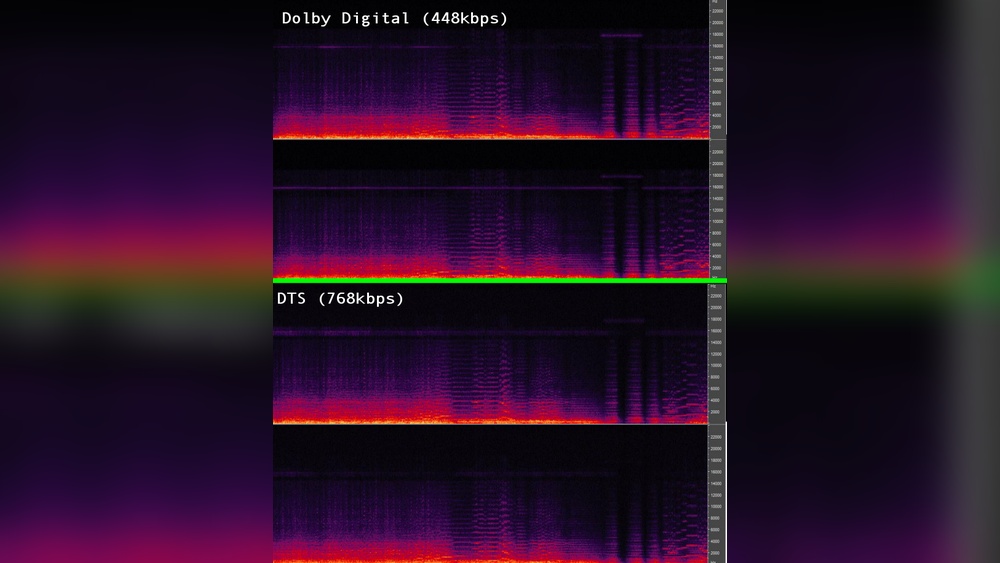
Bitrate affects how much data is used for audio. DTS often uses a higher bitrate than Dolby Digital. This means DTS can carry more audio information. Dolby Digital uses stronger compression to save space. Higher compression may reduce some sound details.
Channel Configuration
Dolby Digital supports up to 5.1 channels. This includes five speakers and one subwoofer. DTS also supports 5.1 but can handle more channels in some versions. More channels mean a richer and more immersive sound experience. Both formats work well with home theater systems.
Audio Clarity And Dynamics
DTS usually offers clearer sound with better dynamics. It can reproduce louder and softer sounds with more detail. Dolby Digital provides good clarity but may sound slightly compressed. Many listeners find DTS better for music and action scenes. Sound clarity depends on the system and source quality.

Credit: www.garvanacoustic.com
Compatibility And Support
Compatibility and support define how well Dolby Digital and DTS work with devices and services. Both technologies aim to provide clear, rich sound. Yet, their acceptance varies by platform and equipment. Understanding their compatibility helps you choose the best option for your setup.
Home Theater Systems
Most home theater systems support Dolby Digital. It is a standard for many soundbars and AV receivers. DTS is also common but may appear in higher-end models. Both can deliver surround sound. Check your system’s manual to see which formats it supports.
Streaming Platforms
Dolby Digital is widely used on streaming services like Netflix and Amazon Prime. It works well on many devices, ensuring good sound quality. DTS support is less common on streaming platforms. Some services offer DTS but only on select titles or devices.
Gaming Consoles And Blu-ray
Gaming consoles like PlayStation and Xbox support both Dolby Digital and DTS. Blu-ray discs often include both audio tracks. This gives users a choice for better sound. DTS may offer higher bitrates, but Dolby Digital is more universal on games and movies.
Licensing And Cost Factors
Choosing between Dolby Digital and DTS involves more than sound quality. Licensing and cost play a big role. These factors affect manufacturers and buyers alike. Understanding licensing models helps explain price differences. Costs tied to licensing shape the final product price.
Licensing Models
Dolby Digital uses a strict licensing system. Manufacturers pay fees to use its technology. These fees vary based on product type and volume. DTS also requires licensing but offers more flexible terms. Some DTS licenses cost less upfront but include royalties. Both systems protect their technology through licenses.
Impact On Manufacturers
High licensing fees may limit product options. Manufacturers might avoid expensive codecs to save money. Dolby’s fees can increase production costs. DTS’s flexible model can attract budget-focused makers. These costs influence which audio systems appear in devices. Choices affect sound features and overall device price.
Consumer Pricing Implications
Licensing costs pass down to consumers. Products with Dolby Digital may cost more. DTS-based devices can be more affordable. Price differences often reflect licensing expenses. Consumers get varied audio experiences at different price points. Understanding this helps buyers decide based on budget and quality.

Credit: www.youtube.com
Future Trends In Audio Tech
Audio technology keeps growing fast. Dolby Digital and DTS continue to evolve. New trends aim to create deeper and clearer sound experiences. These changes will affect how we enjoy movies, games, and music.
Sound systems will become smarter and more natural. Audio will feel like it surrounds you from every angle. Let’s explore the future trends shaping audio tech.
Advancements In Surround Sound
Surround sound is getting more detailed. Systems now support more speakers and channels. This means sound moves more smoothly around the listener. New tech focuses on better clarity and separation of sounds. Quiet moments and loud effects will both sound clear and rich.
Dolby Digital and DTS are pushing boundaries to improve surround sound. They aim to make audio more lifelike and immersive. The goal is to bring you closer to the action or music.
Integration With Immersive Formats
Immersive audio formats like Dolby Atmos and DTS:X are growing popular. These formats add height channels for a 3D sound space. Sound can come from above and all around. This creates a feeling of being inside the scene.
Future audio tech will blend traditional formats with these immersive ones. This helps create richer experiences across devices. Whether using headphones or home theaters, sound will feel more natural and enveloping.
Potential Innovations
New ideas are shaping the next audio wave. Artificial intelligence may help customize sound to each listener. Systems could adjust audio based on the room’s shape and size. Wireless and smart speakers will become more advanced.
Dolby Digital and DTS might introduce better compression techniques. This keeps sound quality high while using less data. Such improvements will make high-quality audio more accessible on all devices.
Choosing The Right Audio Format
Choosing the right audio format matters a lot for your listening experience. Different formats work better in different setups. Picking the correct one helps you enjoy clear sound and deep bass. You can focus on what suits your needs best. Let’s explore how to decide between Dolby Digital and DTS.
Based On Listening Environment
Your room size and shape affect sound quality a lot. Dolby Digital works well in small to medium rooms. It balances sound nicely and keeps voices clear. DTS often shines in larger rooms. It provides richer, more detailed audio that fills space well. Think about your room before choosing a format.
Device Compatibility
Not all devices support every audio format. Most TVs, gaming consoles, and Blu-ray players play Dolby Digital easily. DTS support is common but not universal. Check your device specs to avoid playback issues. Using a format your device supports ensures smooth sound without errors.
Personal Preferences
Sound taste varies from person to person. Some prefer Dolby Digital for its clear dialogue and balanced sound. Others like DTS for its stronger bass and immersive feel. Try both formats if possible. Choose the one that sounds better to your ears and fits your style.
Frequently Asked Questions
What Is The Main Difference Between Dolby Digital And Dts?
Dolby Digital uses a lower bit rate than DTS, affecting sound quality. DTS typically offers higher bit rates, resulting in clearer audio.
Which Sound Format Is Better For Home Theaters?
DTS often provides richer sound detail, preferred by many home theater users. Dolby Digital is more common and works well on most devices.
Do All Devices Support Both Dolby Digital And Dts?
Most modern devices support Dolby Digital widely. DTS support is common but less universal than Dolby Digital.
How Does Audio Compression Affect Dolby Digital And Dts?
Dolby Digital uses more compression, which can reduce audio size but lower quality. DTS uses less compression, keeping better sound clarity.
Can I Use Dolby Digital And Dts Together In One System?
Most systems switch between formats but don’t play both at once. You choose the format based on your content and device compatibility.
Conclusion
Both Dolby Digital and DTS offer strong sound quality for movies and music. Dolby Digital is common and works well with many devices. DTS often provides richer sound with higher bit rates. Your choice depends on your equipment and listening needs.
Either option can improve your audio experience. Pick the one that fits your setup best. Enjoy clear and immersive sound with both technologies.