Are you curious about the real differences between digital art and traditional art? Whether you’re an artist looking to choose your next medium or just someone who loves creativity, understanding these two art forms can change how you see and create art.
This isn’t just about tools or techniques—it’s about how each style can unlock your imagination and express your unique vision. Keep reading to discover which art form might inspire you more and why it matters to your creative journey.

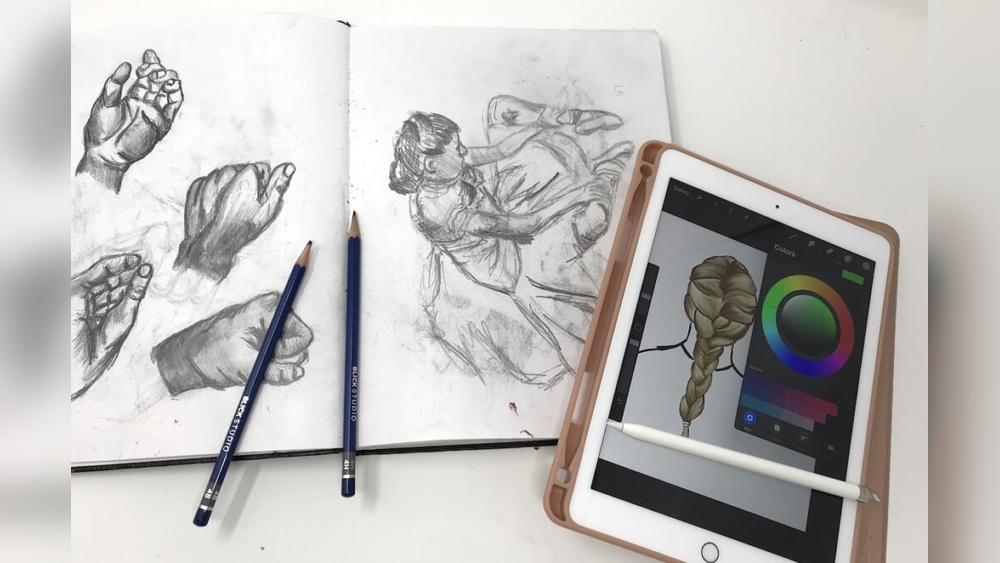
Credit: theartofeducation.edu
Creative Tools
Creative tools shape how artists express their ideas. These tools define the process and final look of the artwork. Traditional and digital art use very different sets of tools. Each has unique advantages that influence creativity and technique.
Materials And Equipment
Traditional art relies on physical materials. Paintbrushes, pencils, charcoal, and canvas are common tools. Artists use paper, clay, or wood as their base. These materials offer tactile feedback and natural textures. They also require skill to control and combine. Cleaning and preparing materials is part of the process. The tools often wear out or need replacement after use. This hands-on approach connects artists directly to their work.
Software And Devices
Digital art uses software and electronic devices. Programs like Photoshop, Procreate, and Illustrator are popular. Tablets and styluses replace brushes and pencils. Layers, undo options, and digital brushes add flexibility. Artists can experiment without wasting materials. Digital tools offer effects not possible in traditional art. They also allow easy editing and sharing online. The setup requires some learning but opens new creative paths.
Techniques And Styles
Art techniques and styles shape the way artists express their ideas. Both digital and traditional art offer unique methods to create stunning visuals. Understanding these differences helps appreciate each medium’s strength and charm.
Brushwork And Textures
Traditional art uses physical brushes and tools. Artists feel the texture of paint on canvas or paper. This creates natural, varied brushstrokes with real depth. Each stroke is unique because of the pressure and angle.
Digital art mimics brushwork using software and tablets. Artists select brushes with different shapes and effects. Textures can be added digitally, but they often feel smoother. The ability to undo or change strokes adds flexibility.
Layering And Effects
Traditional artists layer colors by painting over dried layers. This process requires patience and planning. Effects like blending or glazing happen naturally with physical media.
Digital art uses layers that can be edited separately. Artists can adjust opacity, blend modes, and add filters easily. This allows complex effects without damaging the original work. Layers make correcting mistakes simpler and faster.
Accessibility And Learning
Accessibility and learning shape how artists grow in digital and traditional art. Each form offers unique paths to develop skills and access tools. Understanding these differences helps artists choose the best start for their journey.
Skill Development
Traditional art requires hands-on practice with physical materials. Drawing, painting, and sculpting build muscle memory and control. Mistakes are permanent but teach patience and precision. Digital art allows easy corrections with undo options. Artists can experiment with layers and effects freely. Both methods improve creativity but in distinct ways. Learning traditional skills builds a strong foundation. Digital skills focus on software and technology use.
Cost And Availability
Traditional art needs supplies like brushes, paints, and canvases. These can be costly and need frequent replacement. Space is also important for storing materials. Digital art requires a computer or tablet and software. Initial costs can be high but tools last longer. Many free or low-cost apps help beginners start easily. Digital art can be practiced anywhere with a device. Traditional art might need a studio or outdoor space. Access depends on personal budget and location.
Flexibility And Editing
Flexibility and editing are key differences between digital art and traditional art. These aspects affect how artists create and improve their work. Digital tools offer unique options that are not possible with traditional methods. Traditional art requires more careful planning and has limits on changes after starting.
Undo And Adjustments
Digital art lets artists undo mistakes easily. One click can erase errors or unwanted marks. Adjustments in color, size, and shape happen in seconds. Layers allow editing parts without affecting the whole picture.
Traditional art lacks an undo button. Corrections need paint over or erasing, which can damage the surface. Some changes may not be possible once the paint dries or the paper is marked. This makes editing harder and slower.
Experimentation Freedom
Digital art encourages trying new ideas without risk. Artists can test colors, styles, and effects quickly. They save versions to compare and revert if needed. This freedom sparks creativity and reduces fear of mistakes.
Traditional artists must plan carefully before starting. Experimenting can waste materials or ruin work. Testing colors on a palette or scrap paper helps but is limited. This process can slow down creativity and make changes costly.
Tactile Experience
The tactile experience shapes how artists connect with their work. It creates a unique bond between the creator and the medium. This section explores how physical interaction and sensory feedback differ in digital and traditional art.
Physical Interaction
Traditional art involves direct contact with materials like paint, clay, or paper. Artists feel the texture and resistance of these surfaces as they work. Each brush stroke or pencil line leaves a physical mark. This hands-on process creates a strong sense of presence and control.
Digital art uses tools like tablets and styluses instead of physical materials. The interaction happens on a smooth screen, with no real texture to feel. Artists rely on pressure sensitivity and motion to mimic traditional techniques. This method offers precision but less physical connection.
Sensory Feedback
Traditional art provides rich sensory feedback through touch, sight, and sometimes smell. Artists sense the thickness of paint and the roughness of canvas. This feedback guides their movements and decisions in real time.
Digital art gives sensory feedback mostly through visual and audio cues. Sounds or vibrations may signal tool changes or errors. The lack of physical texture can make the experience feel less natural. Despite this, digital feedback allows quick corrections and experimentation.
Final Output And Presentation
The final output and presentation of art define how the work reaches its audience. It impacts the viewer’s experience and the art’s value. Traditional and digital art differ in how they present and share their creations.
Prints And Originals
Traditional art results in a unique, original piece. Each brushstroke or pencil mark is one of a kind. Collectors value these originals for their authenticity. Prints of traditional art reproduce the original on paper or canvas. Prints allow more people to enjoy the artwork. However, prints are not as valuable as the original piece.
Digital art exists as a file. The file can be printed multiple times without loss of quality. This makes digital art easy to reproduce in many copies. Artists can offer limited editions or unlimited prints. This flexibility helps artists reach a wider audience. Originals in digital art mean the first saved file or a unique digital version.
Digital Sharing
Sharing digital art online is quick and simple. Social media, websites, and email spread art worldwide. Digital files can be easily resized and adapted for different platforms. This helps artists gain exposure and feedback fast. Digital sharing allows for interactive and animated art forms.
Traditional art needs to be photographed or scanned for digital sharing. This extra step can affect the image quality. The texture and depth of the original may not fully show online. Still, digital sharing helps traditional artists reach new fans. Both art types benefit from digital platforms to grow their audience.
Market And Value
The market and value of digital art and traditional art differ in many ways. Both have unique qualities that affect their worth and appeal. Understanding these differences helps collectors and artists make smart choices.
Traditional art has a long history. It is often seen as more tangible and rare. Digital art grows fast, with new platforms and buyers emerging. Each type offers distinct opportunities and challenges in the marketplace.
Collectability
Traditional art is often more collectible due to its physical form. Paintings, sculptures, and prints can be displayed and preserved. Each piece is usually one of a kind or part of a limited series.
Digital art can be copied easily, which affects its collectability. Yet, blockchain and NFTs create unique digital ownership. This technology makes digital art more collectible than before.
Collectors may prefer traditional art for its history and rarity. Others see digital art as a new frontier with fresh possibilities. Both types attract different buyers and collectors.
Monetization Opportunities
Traditional artists earn money through galleries, auctions, and commissions. Artworks can increase in value over time. Artists often rely on physical sales and exhibitions.
Digital artists have many ways to monetize their work. Selling NFTs, prints, and digital downloads are common. Social media and online platforms help artists reach a global audience.
Digital art allows recurring income through royalties on resales. Traditional art rarely offers this advantage. Both fields provide artists with valuable ways to earn money.
Environmental Impact
The environmental impact of art varies between digital and traditional methods. Each form uses different resources and energy. Understanding these differences helps artists make eco-friendly choices. Both styles affect the planet in unique ways.
Materials Waste
Traditional art uses many physical materials. Paint, paper, canvas, and brushes often end up as waste. Leftover paint and discarded paper add to landfill piles. Some materials take years to break down. Digital art produces less physical waste. Artists use software and digital tools. No paint or paper is needed. Still, old devices and accessories can create e-waste.
Energy Consumption
Digital art requires electricity for computers and tablets. The energy demand can be high during long working hours. Traditional art uses less electricity but needs energy for producing materials. Factories that make paints and canvases consume power and water. Both art forms have energy footprints. Digital art’s impact depends on device use and energy source. Traditional art’s impact relates to material production and transport.
Choosing The Right Path
Choosing the right path between digital art and traditional art is a personal decision. Each style has its own strengths and suits different artists and projects. Understanding your needs helps you pick the best option.
Think about what feels natural and what fits your goals. This will guide your choice and make your art journey more enjoyable.
Personal Preference
Some artists love the feel of real brushes and paper. They enjoy the texture and the physical process. Others prefer the clean, flexible tools of digital art. It allows easy changes and many effects. Your comfort and joy in creating matter most.
Try both styles if you can. See which one feels right. Your unique taste shapes your art style and skills.
Project Requirements
Different projects need different tools. Digital art works well for fast edits and sharing online. Traditional art fits well for physical displays and unique textures. Consider the final use of your work.
Think about deadlines, budget, and tools available. These factors affect your choice and success. Choose the method that meets your project’s needs best.

Credit: www.youtube.com

Credit: www.gelato.com
Frequently Asked Questions
What Are The Main Differences Between Digital And Traditional Art?
Digital art is created using software on computers, while traditional art uses physical materials like paint and paper. Digital art allows easy editing, but traditional art has a unique texture and feel.
Which Art Form Is Better For Beginners, Digital Or Traditional?
Traditional art helps beginners learn basic techniques like drawing and shading. Digital art offers tools that can make corrections easy, which helps learning in a different way.
Can Digital Art Replace Traditional Art Completely?
Digital art cannot fully replace traditional art because each has unique qualities. Traditional art feels more tangible, while digital art is flexible and easy to share online.
How Does The Cost Of Digital Art Compare To Traditional Art?
Digital art requires an initial investment in software and hardware but has fewer ongoing costs. Traditional art needs constant supplies like paint, paper, and brushes, which can add up.
Is It Easier To Sell Digital Art Or Traditional Art?
Digital art sells well online and can reach a global audience quickly. Traditional art often appeals more to collectors who value physical pieces and originals.
Conclusion
Both digital and traditional art offer unique joys and challenges. Digital art lets you change and fix work quickly. Traditional art connects you with real materials and textures. Your choice depends on what feels right to you. Many artists use both to express themselves fully.
Art is about creativity, not tools. Explore both styles and find your own path. Enjoy the process and keep creating every day.