
Are you struggling to decide where to put your marketing efforts? Traditional marketing and digital marketing both have their strengths, but which one truly works best for your business?
Understanding the key differences can save you time, money, and frustration. You’ll discover how each approach affects your audience, your budget, and your results. By the end, you’ll be ready to make a smart choice that boosts your success. Keep reading to find out which marketing style fits your goals perfectly.
Credit: www.maingraphics.net
Traditional Marketing Channels
Traditional marketing channels have been the backbone of advertising for decades. These methods rely on physical or broadcast platforms to reach audiences. They create a strong presence in local and broad markets. Traditional marketing remains effective for many businesses. It builds brand awareness and trust through familiar formats.
Print Media
Print media includes newspapers, magazines, brochures, and flyers. These materials reach readers in homes, offices, and public places. Print ads are tangible and can be saved for later. Many people still trust print sources for information. Print media helps target specific audiences by choosing the right publication.
Broadcast Media
Broadcast media covers television and radio advertisements. These channels reach large groups quickly. TV ads combine visuals and sound to create impact. Radio ads use voices and music to grab attention. Broadcast media works well for brand recognition and wide exposure.
Direct Mail
Direct mail involves sending physical letters, postcards, or catalogs to customers. It offers a personal touch and can include special offers. People often pay attention to mail that looks important. Direct mail targets specific groups by location or interest. It encourages direct responses and builds customer relationships.
Outdoor Advertising
Outdoor advertising uses billboards, posters, and transit ads. These ads reach people on the move in busy areas. Outdoor ads are visible 24/7 and create constant brand presence. They work best with clear, simple messages and strong visuals. Outdoor advertising supports brand recall in everyday life.
Digital Marketing Channels
Digital marketing channels offer many ways to reach audiences online. These channels help businesses connect directly with customers. They provide tools to target specific groups and measure results easily.
Each channel serves a different purpose but works toward one goal: increasing brand visibility and engagement. Understanding these channels helps businesses choose the right strategy.
Social Media Platforms
Social media platforms like Facebook, Instagram, and Twitter allow businesses to share content quickly. These platforms engage users with posts, stories, and ads. Brands build communities by interacting with followers directly. Social media helps create personal connections and increases brand loyalty.
Search Engine Marketing
Search engine marketing (SEM) improves website visibility on search engines like Google. It uses paid ads to appear at the top of search results. SEM targets users actively searching for products or services. This channel drives traffic and increases chances of sales.
Email Campaigns
Email campaigns send messages directly to a subscriber’s inbox. They promote products, share updates, or offer discounts. Emails can be personalized for better results. This channel keeps customers informed and encourages repeat business.
Content Marketing
Content marketing focuses on creating valuable information to attract customers. Blogs, videos, and infographics educate and engage users. Good content builds trust and authority in the market. It also supports other marketing efforts by driving organic traffic.
Cost Comparison
Cost is a key factor when choosing between traditional marketing and digital marketing. Both methods require investment, but they differ in how much you spend and what you get back. Understanding these differences helps businesses make smart decisions about their marketing budgets.
Budget Requirements
Traditional marketing often needs a bigger upfront budget. Print ads, TV commercials, and billboards can be costly. You pay for design, production, and placement all at once.
Digital marketing usually costs less to start. Small businesses can use social media ads or email campaigns with a lower budget. You can adjust spending easily as you go.
Return On Investment
Tracking return on investment (ROI) in traditional marketing is difficult. It can be hard to see which ads bring customers. Results may take weeks or months to show.
Digital marketing offers better ROI tracking. Tools show clicks, views, and sales instantly. This data helps improve campaigns quickly for better results.
Scalability
Scaling traditional marketing can be expensive and slow. Increasing ad size or reach often means higher costs and more time.
Digital marketing scales quickly and cheaply. You can increase ad budgets or target new audiences fast. This flexibility suits growing businesses well.

Credit: www.reddit.com
Audience Reach And Targeting
Audience reach and targeting are key factors in marketing success. They determine how many people see your message and how well it fits their needs. Traditional marketing and digital marketing differ greatly in these areas. Understanding these differences helps choose the best method for your business.
Demographic Targeting
Traditional marketing uses broad demographic groups. Age, gender, and income guide ad placements. For example, a magazine ad targets readers of that publication.
Digital marketing offers detailed demographic targeting. Advertisers can select users by exact age, interests, and behaviors. This precise targeting reduces wasted ad spend.
Geographic Reach
Traditional marketing often targets local or regional areas. Billboards and local TV ads focus on nearby customers. This limits reach but builds strong local presence.
Digital marketing can reach global audiences instantly. Ads run across countries and cities with ease. Marketers can adjust campaigns based on location data quickly.
Personalization
Traditional marketing delivers the same message to many people. Personalization is limited to broad segments. This can reduce engagement and relevance.
Digital marketing enables personalized messages for each user. Data allows ads to match individual preferences and past actions. This creates higher interest and better results.
Engagement And Interaction
Engagement and interaction are key factors in marketing success. They help build relationships between brands and customers. Traditional marketing and digital marketing differ greatly in how they encourage these connections.
Traditional marketing often involves one-way communication. It shares messages but limits chances for immediate customer response. Digital marketing, on the other hand, encourages two-way communication. It allows brands to listen and react quickly.
Customer Feedback
Traditional marketing collects feedback through surveys or calls. This process can be slow and less frequent. Digital marketing gathers feedback instantly through comments, reviews, and polls. This quick response helps brands improve products and services faster.
Brand Loyalty
Traditional marketing builds loyalty through repeated exposure to ads and promotions. It creates trust over time but can feel distant. Digital marketing creates loyalty by engaging customers directly. Brands can create communities and interact regularly to strengthen bonds.
Real-time Communication
Traditional marketing lacks real-time interaction. Messages are sent without immediate reply options. Digital marketing offers real-time communication via social media and chat tools. This instant contact helps solve problems and answer questions quickly.
Measurement And Analytics
Measurement and analytics play a crucial role in marketing success. They help businesses understand how well their campaigns perform. Both traditional and digital marketing use measurement, but in very different ways. Knowing these differences can guide smarter marketing choices.
Tracking Performance
Traditional marketing tracks performance through surveys, sales, and feedback. These methods take time and often lack detailed data. Digital marketing tracks clicks, views, and user actions instantly. Marketers see what works and what doesn’t in real time.
Data-driven Decisions
Traditional marketing decisions rely on broad estimates and past experience. Digital marketing uses exact data to guide every step. This data helps marketers focus budgets on the best channels and messages. It reduces guesswork and increases confidence in choices.
Campaign Optimization
Traditional marketing changes are slow and costly to make. Digital marketing allows quick adjustments based on live data. Marketers can test different ads, audiences, and offers easily. This flexibility improves results and lowers wasted spend.
Challenges And Limitations
Marketing strategies face many challenges and limits today. Both traditional and digital marketing have their own struggles. Knowing these issues helps businesses choose the right approach. It also shows what to expect and how to prepare.
Traditional Barriers
Traditional marketing often costs a lot of money. Printing ads, buying TV spots, or billboards can be expensive. Small businesses may not afford these costs. Measuring success is tough too. Marketers can’t easily track who saw the ad or bought the product. Changes take time. Adjusting a campaign means waiting for new prints or broadcasts. This slow pace can miss fast market trends.
Digital Overload
Digital marketing faces a flood of content online. Audiences see ads everywhere on websites and social media. This overload makes it hard to stand out. Many ads get ignored or blocked. Marketers must compete for short attention spans. Constant updates and new platforms also demand extra effort. Keeping campaigns fresh and effective takes time and skill. Overusing digital tools can confuse or annoy customers.
Privacy Concerns
Privacy rules tighten around digital marketing. Collecting user data helps target ads but raises worries. People want control over their personal information. Laws like GDPR and CCPA restrict data use. Marketers must follow strict rules to avoid fines. Trust drops if customers feel spied on. Building respect for privacy is vital for long-term success. Balancing data use and privacy remains a big challenge.
Trends Shaping Marketing In 2026
Marketing is changing fast in 2026. New trends shape how brands reach customers. Traditional and digital marketing blend in new ways. These trends help businesses connect better and stay ahead.
Ai And Automation
AI helps marketers save time and work smart. Automation handles tasks like emails and ads. AI analyzes data to find what customers want. It creates personalized messages that feel real. This makes marketing more effective and less costly.
Omnichannel Strategies
Customers use many channels to shop and learn. Omnichannel means joining all these channels smoothly. It gives a consistent experience everywhere. From social media to stores, messages match perfectly. This builds trust and keeps customers loyal.
Sustainability Focus
More people care about the planet. Brands include eco-friendly ideas in marketing. They show how products help the environment. This attracts customers who want to buy green. Sustainability becomes a key point in marketing plans.
Choosing The Right Strategy
Choosing the right marketing strategy is important for business success. Both traditional and digital marketing have their strengths. Picking the best one depends on several key factors. Understanding these will help you reach your audience effectively.
Let’s explore how to decide which strategy fits your needs.
Business Goals Alignment
Your marketing should match your business goals. Traditional marketing works well for local brand awareness and long-term trust. Digital marketing suits goals like fast growth and online sales. Know what you want to achieve before choosing a method.
Customer Preferences
Think about where your customers spend time. Older audiences may respond better to TV, radio, or print ads. Younger customers often prefer online ads and social media. Follow your audience to meet them where they are.
Budget Considerations
Your budget affects your marketing choice. Traditional marketing usually needs more upfront money. Digital marketing can be cheaper and more flexible. Small budgets often benefit from digital tools that track results closely.

Credit: digitalmarketinggroup.com
Frequently Asked Questions
What Are The Main Differences Between Traditional And Digital Marketing?
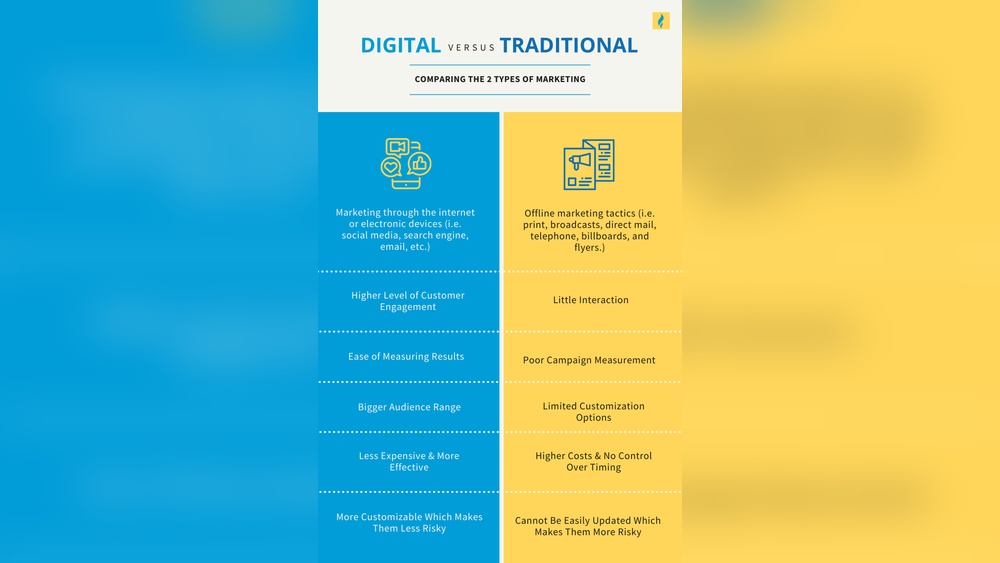
Traditional marketing uses offline methods like print and TV ads. Digital marketing uses online channels like social media and websites. Each targets audiences differently based on reach and interaction.
Which Marketing Type Is More Cost-effective For Small Businesses?
Digital marketing is usually cheaper and offers flexible budgets. Traditional marketing often requires higher upfront costs for ads. Small businesses benefit from digital’s targeted and affordable options.
How Do Traditional And Digital Marketing Measure Success?
Traditional marketing tracks success through sales and surveys. Digital marketing uses real-time data like clicks and views. Digital offers faster, clearer insights into campaign performance.
Can Traditional Marketing Work Well With Digital Marketing?
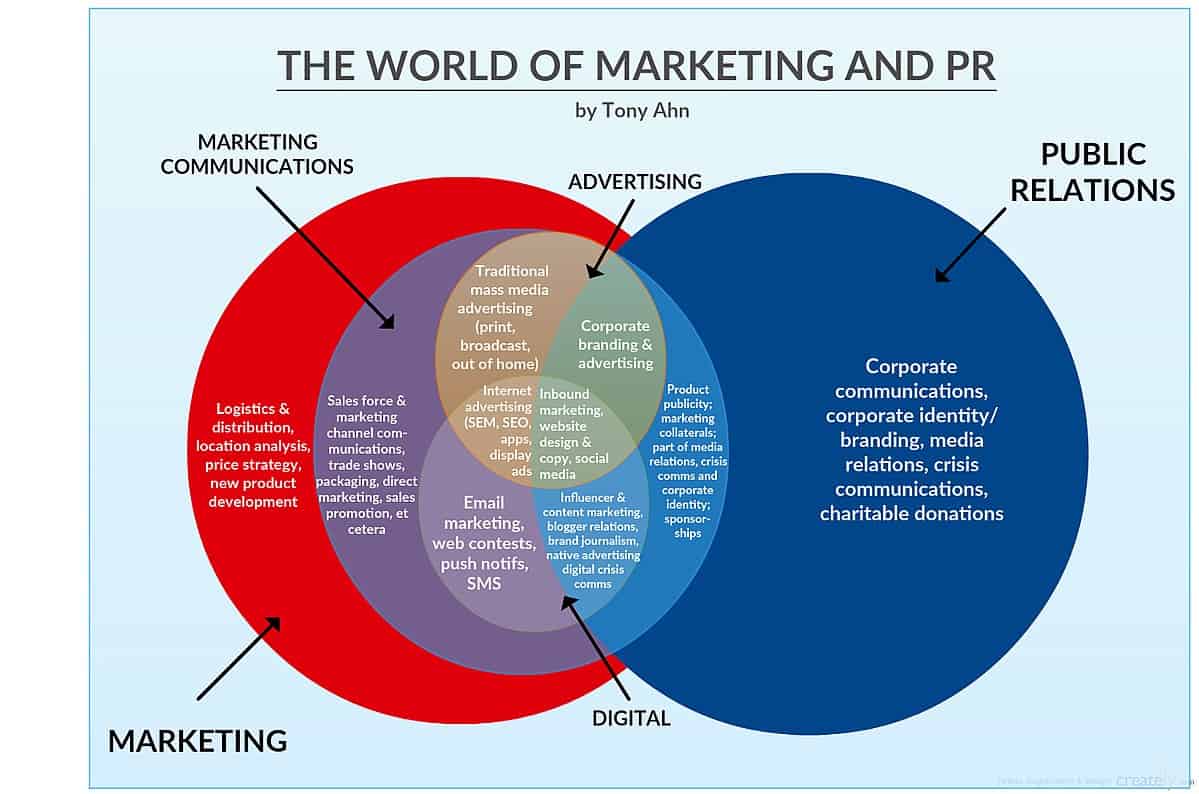
Yes, combining both can reach wider audiences. Traditional builds brand trust, while digital drives quick engagement. Together, they support stronger marketing strategies.
What Skills Are Needed For Traditional Versus Digital Marketing?
Traditional marketing needs skills in media buying and copywriting. Digital marketing requires knowledge of SEO, analytics, and social media tools. Each field demands different expertise for success.
Conclusion
Choosing between traditional marketing and digital marketing depends on your goals. Traditional marketing works well for local reach and brand trust. Digital marketing offers wider reach and detailed tracking. Both have unique strengths and challenges. Many businesses combine the two for better results.
Understanding your audience helps decide the best fit. Keep testing and adapting your strategy over time. Success comes from using the right tools for your needs. Simple, clear, and consistent efforts bring the best outcomes.