
When you look inside any electronic device, you’ll find circuits working hard to make things happen. But have you ever wondered what sets analog and digital circuits apart?
Understanding these two types can change the way you see technology around you. Whether you’re curious about how your smartphone works or want to improve your own projects, knowing the difference between analog and digital circuits is key. Stick with me, and you’ll discover which one suits your needs best—and why it matters more than you might think.
Basic Concepts Of Analog Circuits
Analog circuits process signals that vary continuously. These circuits handle real-world signals like sound, light, and temperature. Understanding their basic concepts helps grasp how electronic devices work.
Analog circuits deal with voltage or current that changes smoothly over time. This contrasts with digital circuits that use discrete levels. The continuous nature of analog signals makes them ideal for capturing natural phenomena.
Signal Representation
Analog signals represent information with continuous waves. These waves change in amplitude or frequency. The signal can take any value within a range. This allows precise representation of sound and light intensity. Noise can distort analog signals more than digital ones.
Common Components
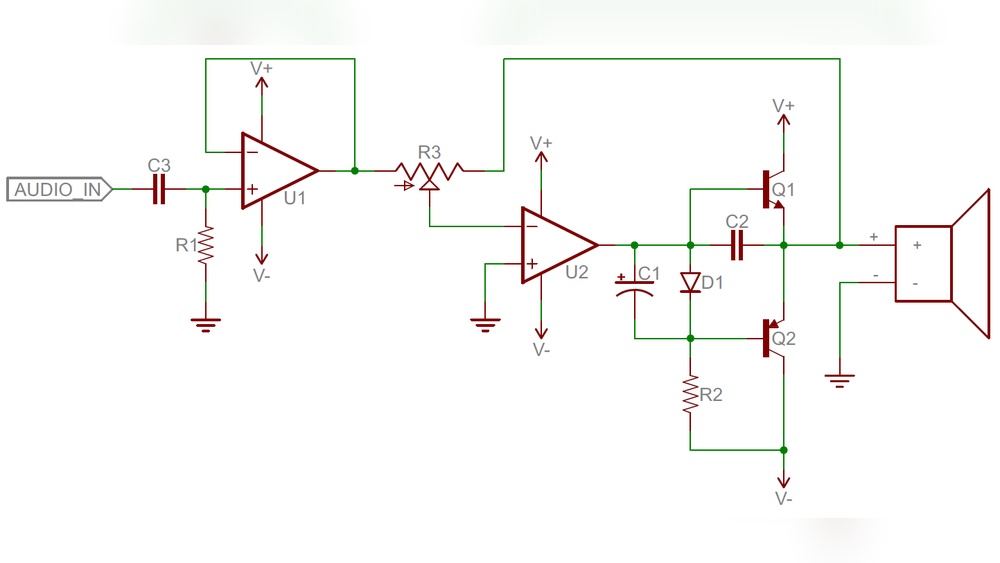
Resistors, capacitors, and inductors form the basics of analog circuits. Transistors amplify signals and control current flow. Operational amplifiers boost weak signals. Diodes control the direction of current. These components work together to shape and process analog signals.
Typical Applications
Analog circuits appear in radios, microphones, and speakers. They also power sensors and measuring instruments. Audio amplifiers and analog filters rely on these circuits. Medical devices use analog circuits to monitor vital signs. These applications benefit from the smooth signal processing of analog designs.
Fundamentals Of Digital Circuits
Digital circuits form the backbone of modern electronics. They process data using clear, distinct signals. These circuits handle information in a way that reduces errors and noise. Understanding their basics helps to grasp how devices like computers and smartphones work.
Digital circuits rely on simple on/off states. This makes them reliable and easy to design. Let’s explore their key features to see why they are so widely used.
Binary Signal Nature
Digital circuits use binary signals, meaning two states. These states are often called 0 and 1. A 0 represents off, and 1 represents on. This simple system helps circuits avoid confusion from weak or mixed signals. It allows clear communication inside devices.
Core Components
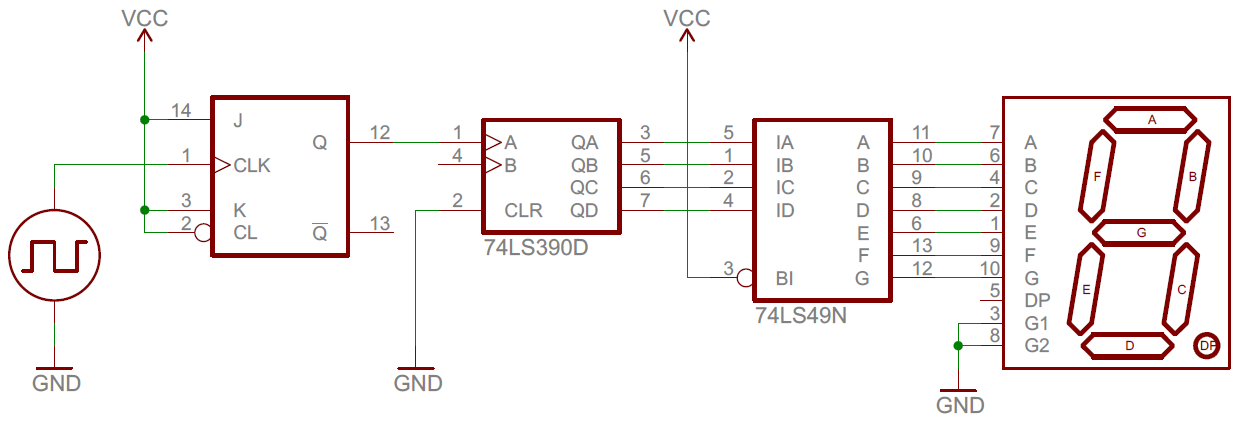
Basic parts of digital circuits include logic gates, flip-flops, and multiplexers. Logic gates perform simple decisions like AND, OR, and NOT. Flip-flops store bits of information for later use. Multiplexers select one input from many, directing data flow. These components work together to create complex functions.
Common Uses
Digital circuits appear in computers, phones, and home appliances. They control processors, memory, and sensors. These circuits help devices perform tasks quickly and accurately. Everyday electronics rely heavily on digital designs for better performance.
Signal Processing Differences
Signal processing is a key area where analog and digital circuits differ greatly. These differences affect how each type handles and transforms signals. Understanding these contrasts helps in choosing the right technology for specific tasks.
Continuous Vs Discrete Signals
Analog circuits work with continuous signals. These signals change smoothly over time and carry infinite values. Digital circuits process discrete signals, which have specific values at fixed intervals. Digital signals use numbers, typically zeros and ones. This difference shapes how each circuit processes information.
Noise And Distortion Effects
Analog signals are more vulnerable to noise and distortion. Small changes in the signal can cause errors. Noise affects the signal quality directly. Digital signals resist noise better because they rely on clear number steps. Minor noise does not change the signal meaning. This makes digital circuits more reliable in noisy environments.
Signal Accuracy
Analog circuits provide smooth and natural signal reproduction. But their accuracy can drop due to noise and component limits. Digital circuits offer higher accuracy by representing signals with exact numbers. They can correct errors using coding techniques. This precision helps in applications needing clear and consistent signals.
Credit: learn.sparkfun.com
Design And Complexity
Design and complexity play a major role in choosing between analog and digital circuits. Each type has unique features that affect how engineers create and manage them. Understanding these differences helps in making better design decisions.
Circuit Architecture
Analog circuits use continuous signals. Their architecture is often simpler but less flexible. Digital circuits rely on discrete signals, usually zeros and ones. This allows complex functions through logic gates and microprocessors.
Analog designs focus on amplifying or filtering signals. Digital designs focus on processing and storing data. The architecture of digital circuits can be layered and modular. This supports advanced computing and control.
Component Count
Analog circuits often need fewer components for basic tasks. Each component must handle a wide range of signal levels. Digital circuits use many components to build complex functions. Logic gates, flip-flops, and memory chips increase the count.
More components mean digital designs can be more intricate. However, modern digital chips combine many functions into one unit. This reduces the overall component count on circuit boards.
Scalability
Analog circuits are harder to scale because signal quality can degrade. Increasing complexity often requires more careful tuning and calibration. Digital circuits scale easily by adding more logic blocks or memory.
Digital designs benefit from technologies like integrated circuits and microcontrollers. These allow circuits to grow in size and function without losing reliability. Scalability makes digital circuits suitable for a wide range of applications.
Performance Factors
Performance is a key factor when choosing between analog and digital circuits. It affects how well a circuit works in real-world applications. This section explores important performance aspects like speed, power use, and reliability. Understanding these helps in picking the right circuit type for your needs.
Speed And Bandwidth
Analog circuits often handle signals continuously, which can allow faster response times. They work well with high-frequency signals and wide bandwidths. Digital circuits process signals in steps, which may limit speed. Yet, advances in technology have greatly improved digital speed. Bandwidth in digital circuits depends on clock speed and data rates.
Power Consumption
Analog circuits usually consume more power because they work with continuous signals. Power use can rise with signal frequency and complexity. Digital circuits often save power by switching transistors on or off. Low-power designs help digital circuits last longer on batteries. Power efficiency is vital in portable and small devices.
Reliability
Digital circuits tend to be more reliable in noisy environments. They use discrete signals, reducing errors from interference. Analog circuits can be sensitive to noise and signal distortion. Maintenance can be harder with analog due to component variations. Digital systems often include error checking for safer operation.

Credit: www.excellentwebworld.com
Cost And Manufacturing
Cost and manufacturing play a big role in choosing between analog and digital circuits. Each type has its own expenses and challenges during production. Understanding these factors helps in making smart decisions for projects and products.
Production Expenses
Analog circuits often cost more to produce. They require precise components and careful assembly. Digital circuits benefit from mass production, lowering their unit cost. Automated processes speed up digital circuit manufacturing. This reduces labor and time expenses.
Material Requirements
Analog circuits need high-quality resistors, capacitors, and inductors. These materials must have tight tolerances. Digital circuits mainly use standard integrated chips. These chips combine many functions in one package. This lowers the need for extra materials.
Market Availability
Digital components are widely available due to their popularity. Analog parts may be harder to find and more expensive. Many manufacturers focus on digital technology today. This affects the supply chain for analog circuit parts. Buyers should check availability before planning production.
Troubleshooting And Maintenance
Troubleshooting and maintenance play a big role in keeping circuits working well. Both analog and digital circuits can face problems over time. Knowing how to find and fix these issues saves money and time. Maintenance helps avoid bigger failures in the future.
Common Issues
Analog circuits often suffer from noise and signal distortion. Components like resistors and capacitors can wear out. Digital circuits face problems like faulty logic gates or broken connections. Power supply issues affect both types. Heat and physical damage are common culprits in circuit failure.
Testing Methods
Testing analog circuits uses tools like oscilloscopes and multimeters. These help check signal strength and quality. Digital circuits are tested with logic analyzers and testers. Both circuits require step-by-step checks for faults. Visual inspection is helpful for spotting burnt or loose parts.
Repair Complexity
Fixing analog circuits needs careful tuning of components. Small changes can affect the whole system. Digital circuit repair is often about replacing chips or boards. Some digital faults are easy to spot with testing tools. Analog repairs take more skill and patience.
Future Trends In Circuit Technology
The future of circuit technology is exciting and full of change. Advances in both analog and digital circuits will shape new devices. These changes will impact many parts of our daily lives. Understanding these trends helps us see what’s coming next in electronics.
Integration Of Analog And Digital
Analog and digital circuits are becoming more combined. This mix allows devices to work faster and use less power. It also makes electronics smaller and smarter. Combining the two types creates circuits that handle more tasks. This trend will continue as technology grows.
Emerging Technologies
New technologies like flexible circuits and quantum computing are developing. Flexible circuits bend and fold, fitting into new shapes. Quantum computing uses quantum bits to process information differently. These technologies will change how circuits are designed and used. They open doors to new electronic possibilities.
Impact On Electronics Industry
The electronics industry will change with these new circuit trends. Products will become more efficient and affordable. Factories will use new methods to build smarter devices. Consumers will see better performance in everyday electronics. These shifts will drive growth and innovation in the industry.

Credit: www.elepcb.com
Frequently Asked Questions
What Is The Main Difference Between Analog And Digital Circuits?
Analog circuits work with continuous signals, while digital circuits use discrete signals. Analog signals vary smoothly, and digital signals switch between set levels.
Which Circuit Type Is Better For Noise Resistance?
Digital circuits resist noise better because they use clear on/off signals. Analog circuits can be affected by small signal changes and noise.
Can Analog And Digital Circuits Work Together?
Yes, they often work together in devices using converters. Analog signals are changed to digital form for processing and back again.
What Are Common Uses Of Analog Circuits Today?
Analog circuits are used in audio devices, radios, and sensors. They handle real-world signals like sound and light naturally.
Why Do Digital Circuits Dominate Modern Electronics?
Digital circuits are easier to design and program. They offer better accuracy and are cheaper to produce in large amounts.
Conclusion
Choosing between analog and digital circuits depends on your project needs. Analog circuits handle continuous signals well. Digital circuits work best with discrete signals and offer easier data processing. Each type has its strengths and limits. Understanding these basics helps you pick the right circuit.
This knowledge guides better designs and smarter tech choices. Keep exploring to learn more about electronics and circuit types.