
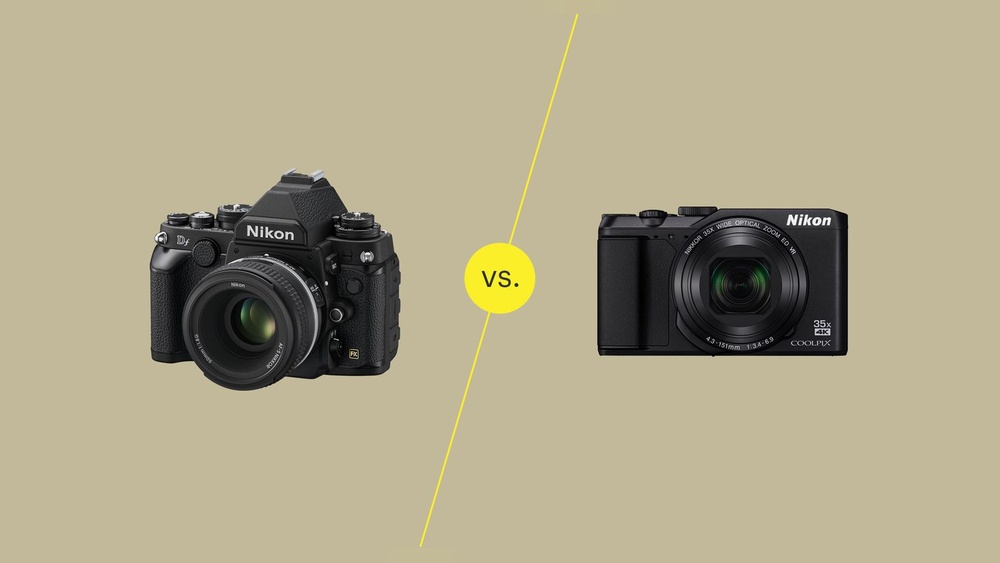
Are you confused about choosing between a digital camera and a DSLR? You’re not alone.
Picking the right camera can feel overwhelming with so many options out there. But what if you could quickly understand which one fits your needs better? Whether you want sharp photos, easy handling, or something that suits your budget, this guide will help you decide.
Keep reading to discover the key differences and find the perfect camera for your style.
Digital Camera Basics
Understanding digital cameras starts with the basics. These devices capture images electronically. They store photos on memory cards. Digital cameras vary widely in design and function. Knowing the basics helps you choose the right one for your needs.
Types Of Digital Cameras
There are several types of digital cameras. Compact cameras are small and easy to use. They fit in your pocket and suit casual shooting. Bridge cameras offer more zoom and control than compacts. Mirrorless cameras are lightweight with interchangeable lenses. DSLR cameras have a mirror system and offer high image quality. Each type serves different photography styles and budgets.
Key Features To Know
Image sensor size affects photo quality. Larger sensors capture more light for better images. Megapixels determine the resolution but are not the only quality factor. Zoom lets you get closer without moving. Optical zoom keeps image quality, digital zoom may reduce it. Autofocus helps keep subjects sharp and clear. Some cameras have built-in Wi-Fi for easy sharing. Battery life varies and affects shooting time. Understanding these features guides smart camera choices.
Dslr Essentials
DSLR cameras are popular among both beginners and experts. They offer better control over photos. Understanding DSLR essentials helps you choose the right camera. These cameras use special technology to capture sharp, clear images.
Many photographers prefer DSLRs for their performance and flexibility. Knowing how DSLRs work and their main advantages makes a big difference. This knowledge helps you take better pictures and enjoy photography more.
How Dslrs Work
DSLR stands for Digital Single-Lens Reflex. It uses a mirror inside the camera body. The mirror reflects light from the lens up to an optical viewfinder. This lets you see exactly what the lens sees.
When you press the shutter button, the mirror flips up. This lets light reach the image sensor. The sensor captures the photo in high detail. This process happens very fast, allowing quick shots.
Main Advantages Of Dslrs
DSLRs offer excellent image quality with large sensors. They perform well in low light conditions. You can change lenses to suit different photo styles. This makes DSLRs very versatile.
These cameras have fast autofocus systems. They also provide a wide range of manual settings. This gives you full control over exposure and focus. DSLRs often have longer battery life than digital cameras.
Image Quality Comparison
Image quality is a key factor when choosing between a digital camera and a DSLR. Both types capture photos but differ in how they handle light and detail. Understanding these differences helps pick the best option for your needs.
Sensor Size And Resolution
The sensor size directly affects image quality. DSLRs usually have larger sensors than digital cameras. Larger sensors capture more light and detail, producing clearer images. They also perform better in low light conditions.
Resolution means the number of pixels in an image. Higher resolution offers sharper pictures and more room for cropping. Both digital cameras and DSLRs come with various resolutions. DSLRs tend to have higher resolution options, but some digital cameras also provide excellent detail for everyday use.
Lens Quality And Flexibility
Lens quality greatly impacts how your photos look. DSLRs use interchangeable lenses, giving more control over focus and zoom. This flexibility allows you to choose lenses for different situations like portraits or landscapes.
Digital cameras usually have fixed lenses. They are convenient and easy to use but limit creative control. Some digital cameras offer good zoom and sharp lenses, but they can’t match the variety of DSLR lenses.
Performance And Speed
Performance and speed are key factors in choosing between a digital camera and a DSLR. These features affect how quickly and accurately you can capture moments. Speed matters in fast-moving scenes like sports or wildlife. Performance influences image quality and ease of use. Understanding these aspects helps you pick the right camera for your needs.
Autofocus And Shutter Speed
DSLRs often have faster and more precise autofocus systems. They use phase-detection autofocus, which tracks moving subjects well. Digital cameras usually rely on contrast-detection autofocus, which can be slower. Shutter speed controls how fast the camera captures an image. DSLRs offer faster shutter speeds, ideal for freezing motion. Digital cameras may have slower shutter speeds, causing motion blur in fast scenes.
Burst Mode And Frame Rate
Burst mode lets you take several photos in quick succession. DSLRs generally have higher frame rates, capturing more shots per second. This helps in action photography or capturing the perfect moment. Digital cameras might have lower burst speeds, which can miss fast events. Higher frame rates also improve video quality in DSLRs. Digital cameras may lag in this area, affecting smoothness in videos.
Portability And Design
Portability and design play a big role in choosing between a digital camera and a DSLR. These factors affect how easy it is to carry and use the camera. Both types serve different needs based on their size, weight, and build quality. Understanding these differences helps you pick the right camera for your lifestyle and shooting habits.
Size And Weight Differences
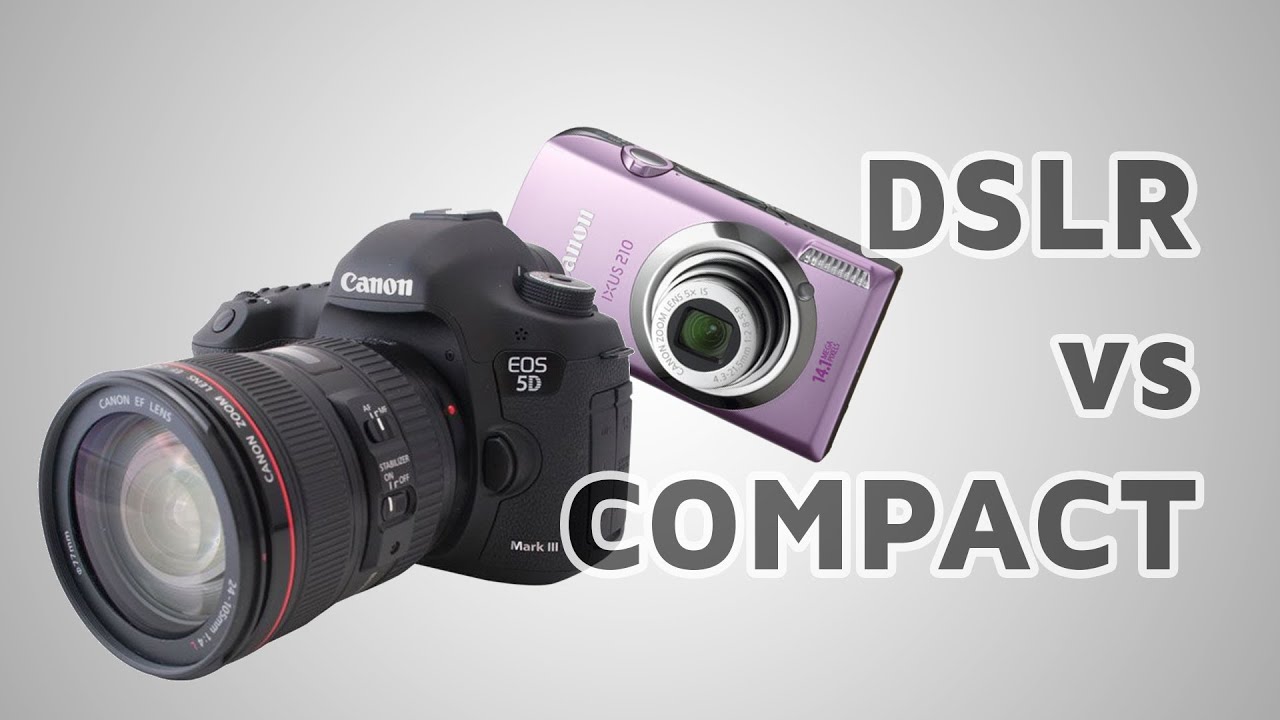
Digital cameras are usually smaller and lighter than DSLRs. They fit easily in a pocket or small bag. This makes them great for travel and casual photography. DSLRs are larger and heavier because of their complex parts. They need space for lenses and mirrors. Carrying a DSLR can be tiring over long periods. Yet, their size allows for better handling and more control during shooting.
Build Quality And Durability
DSLRs often have stronger bodies made from metal or tough plastic. They are built to handle rough use and tough weather. Many models have weather sealing to protect against dust and moisture. Digital cameras usually have simpler, lighter bodies. They may not last as long under harsh conditions. Still, some advanced digital cameras offer good durability for everyday use.

Credit: www.youtube.com
User Experience
User experience plays a big role in choosing between a digital camera and a DSLR. It affects how comfortable and enjoyable it is to take photos. This section explores key parts of the user experience, such as ease of use and the viewfinder options.
Ease Of Use And Controls
Digital cameras often have simple menus and automatic settings. They are designed for quick shots without much effort. Beginners find them easy to handle. DSLR cameras offer more buttons and dials. These controls give more power but may seem complex at first. Users can change settings like shutter speed and aperture easily once familiar. Learning the controls takes time but adds flexibility.
Viewfinder And Screen Options
Digital cameras usually rely on an LCD screen to frame shots. The screen is bright and shows colors clearly. Some models have touchscreens for easy navigation. DSLRs have an optical viewfinder that shows the real scene. This helps see details even in bright light. Many DSLRs also include an LCD screen that can tilt or swivel. Both options allow clear viewing but offer different experiences.
Battery Life And Storage
Battery life and storage are key factors to think about when choosing between a digital camera and a DSLR. Both affect how long you can shoot and how many photos you can save. Understanding these differences helps you pick the right camera for your needs.
Battery Performance
Digital cameras usually have smaller batteries. This means they may need charging more often. They use less power because their screens and sensors are smaller.
DSLRs have bigger batteries. These last longer because they power bigger sensors and optical viewfinders. You can take more photos before recharging.
Still, battery life depends on how you use the camera. Using the flash or video mode drains batteries faster. Carrying extra batteries is a smart choice for both types.
Memory Card Compatibility
Digital cameras often support standard memory cards like SD or microSD. These cards are easy to find and affordable. Most digital cameras use a single memory card slot.
DSLRs usually support SD cards too, but some models accept faster cards like CFexpress. These cards save images quicker and handle large files better. Many DSLRs have dual card slots for backup or extra storage.
Choosing the right card depends on the camera and your shooting style. Faster cards help when taking many photos or shooting video.
Credit: www.youtube.com
Price And Value
Price and value are key factors when choosing between a digital camera and a DSLR. Both options offer different benefits depending on your budget and needs. Understanding the cost and long-term value helps make a smart choice.
Cost Comparison
Digital cameras usually cost less than DSLRs. Basic models start at a low price, making them easy to buy. DSLRs have a higher starting price because of better features and quality parts. Accessories like lenses and flashes add extra cost to DSLRs. Digital cameras often include everything you need in one package. You pay more upfront for DSLRs but get better image quality and control.
Long-term Investment
DSLRs offer more flexibility for future upgrades. You can change lenses and add new accessories over time. This can improve your photography without buying a new camera. Digital cameras have limited upgrade options and may need replacement sooner. DSLRs often hold their value better for resale. Spending more on a DSLR can save money in the long run if you plan to grow your skills.
Best Uses For Each Camera
Choosing the right camera depends on your photography needs. Digital cameras and DSLRs serve different purposes. Each camera fits certain activities better. Understanding their best uses helps you pick the right one.
Casual And Travel Photography
Digital cameras are perfect for casual and travel shots. They are small and easy to carry. You can quickly capture moments without much setup. Their automatic settings handle different lighting well. Travelers enjoy the convenience and light weight. No need to change lenses or adjust many controls. Ideal for snapshots, family events, and sightseeing photos.
Professional And Creative Work
DSLRs suit professional and creative photography. They offer higher image quality and control. Photographers can change lenses for different effects. Manual settings allow precise adjustments to light and focus. Perfect for portraits, landscapes, and studio work. DSLRs work well with accessories like external flashes. They give more freedom to experiment and improve skills.

Credit: www.iconasys.com
Choosing The Right Camera
Choosing the right camera can be a big decision. It depends on what you want to do with your photos. Both digital cameras and DSLRs have good points. Understanding your needs helps you pick the best one for you.
Assessing Your Needs
Think about why you need a camera. Is it for casual photos or serious photography? Digital cameras are simple and easy to use. DSLRs offer more control and better image quality. Consider how much time you want to spend learning your camera.
Budget Considerations
Set a clear budget before shopping. Digital cameras usually cost less. DSLRs can be expensive, especially with extra lenses. Don’t forget to budget for accessories like memory cards and bags. A higher price does not always mean better for your needs.
Future-proofing Your Choice
Plan for how long you want to use the camera. DSLRs can grow with your skills. You can change lenses and add accessories. Digital cameras may become outdated faster. Choose a camera that fits your goals for the next few years.
Frequently Asked Questions
What Is The Main Difference Between Digital Cameras And Dslrs?
Digital cameras are usually compact and simple, while DSLRs have larger bodies and interchangeable lenses. DSLRs offer better image quality and manual controls.
Which Camera Type Is Better For Beginners?
Digital cameras are easier to use and more portable, making them great for beginners. DSLRs require learning but offer more creative options.
Can Digital Cameras Match Dslr Photo Quality?
Digital cameras have improved but usually can’t match the sharpness and detail of DSLRs. DSLRs have bigger sensors that capture better images.
How Do Lenses Differ Between Digital Cameras And Dslrs?
Most digital cameras have fixed lenses, but DSLRs allow you to change lenses for different shots. This adds flexibility and better photo results.
Are Dslrs More Expensive Than Digital Cameras?
DSLRs tend to cost more due to advanced features and lens options. Digital cameras are generally cheaper and good for casual photography.
Conclusion
Choosing between a digital camera and a DSLR depends on your needs. Digital cameras are easy to carry and use. DSLRs offer better image quality and more control. Both can take great photos in different ways. Think about your budget, skill level, and photo goals.
This will help you pick the right camera. Enjoy capturing moments with the camera that suits you best. Happy shooting!