
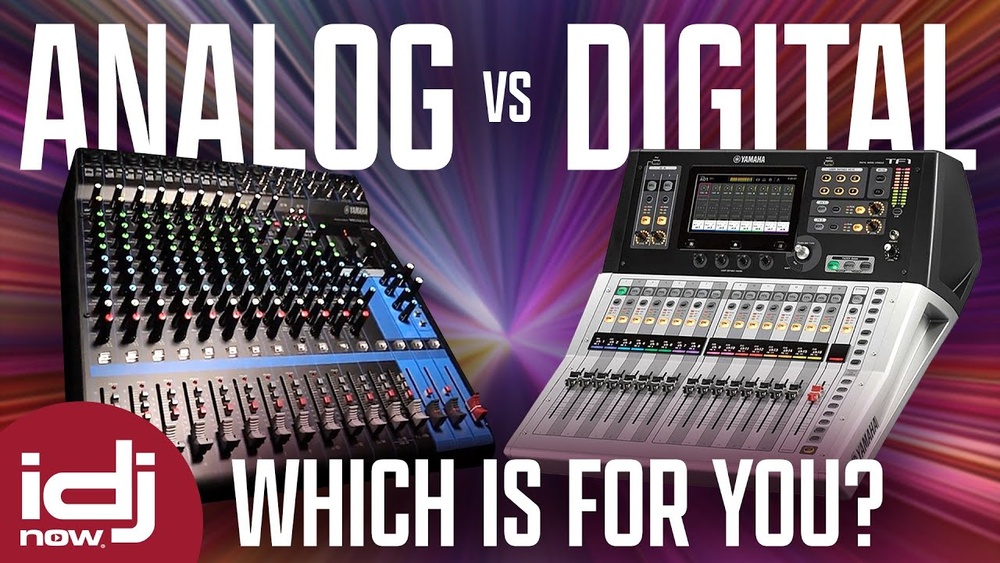
When you’re setting up your sound system, choosing between an analog mixer and a digital mixer can feel overwhelming. You might wonder which one fits your needs better, or which will give you the best control over your sound.
This decision impacts your entire audio experience—from the quality of your mix to how easy it is to use your gear. By understanding the key differences between analog and digital mixers, you’ll gain the confidence to pick the right tool for your setup.
Keep reading, and you’ll discover which mixer suits your style and helps you create the perfect sound every time.
Analog Mixer Basics
Analog mixers have been a staple in audio production for decades. They process sound using physical circuits and components. These mixers offer a hands-on approach to controlling audio signals. Understanding their basics helps in choosing the right mixer for your needs.
They are known for their warm sound and straightforward operation. Many sound engineers prefer analog mixers for live performances and studio recordings. Let’s explore the core parts and how these mixers work.
Core Components
Analog mixers have several key parts. Channels receive audio inputs like microphones or instruments. Each channel has volume controls called faders. Equalizers adjust bass, mid, and treble frequencies. Pan knobs place sound left or right in the stereo field. Output sections send the mixed sound to speakers or recording devices. These components work together to shape the audio output.
Signal Flow
The signal flows through the mixer in a simple path. Audio enters a channel input first. It moves to the preamp to boost the signal. Then it passes through the equalizer for tone control. The signal reaches the fader, adjusting the volume. Finally, it combines with other channels at the output stage. This path happens in real time without delay.
Typical Use Cases
Analog mixers suit many audio tasks. They are common in live sound setups like concerts and events. Studios use them for recording bands or podcasts. DJs prefer analog mixers for smooth, tactile control. Small venues and churches rely on these mixers for easy operation. They work best when users want direct control and minimal tech complexity.
Digital Mixer Essentials
Digital mixers have changed how sound is controlled in studios and live events. They offer many tools packed into one device. Understanding digital mixer essentials helps you see their power and ease of use.
They combine advanced technology with user-friendly controls. This makes mixing faster and more flexible. Digital mixers let users adjust many sound sources at once.
Key Features
Digital mixers come with touchscreens for easy control. They store settings for quick recall during shows. Many have built-in effects like reverb and delay. Users can connect to computers for deeper editing. They support multiple input and output channels. Digital mixers often include wireless control options. These features make them versatile for different uses.
Signal Processing
Signal processing in digital mixers happens inside the device. It converts sound into digital data for editing. Equalizers, compressors, and gates shape the sound clearly. Digital mixers reduce noise and feedback automatically. They allow precise adjustments that analog mixers can’t match. This leads to cleaner, more balanced audio output. Signal processing helps maintain sound quality under any condition.
Common Applications
Digital mixers are popular in concerts and theater shows. They fit well in recording studios for music production. Churches and schools use them for sound management. They are also used in broadcast and live streaming setups. Their flexibility suits many audio tasks. This makes digital mixers a preferred choice for professionals and hobbyists alike.
Sound Quality Factors
Sound quality plays a big role in choosing between analog and digital mixers. Both types affect how clear and natural the audio sounds. Understanding key sound quality factors helps make the right choice.
These factors include noise and distortion, dynamic range, and frequency response. Each factor impacts the final audio differently. Let’s explore them one by one.
Noise And Distortion
Noise means unwanted sounds in the audio signal. Analog mixers may add small amounts of noise due to electrical parts. Digital mixers usually have less noise because they use digital circuits.
Distortion changes the sound from the original. Analog mixers can create warm distortion, which some users like. Digital mixers keep sound clean but can add harsh distortion if pushed too hard.
Dynamic Range
Dynamic range is the difference between the softest and loudest sounds. Digital mixers offer a wider dynamic range. This means they handle quiet and loud sounds better without losing quality.
Analog mixers have a smaller dynamic range. Loud sounds can cause distortion sooner. Soft sounds might get lost in the noise floor.
Frequency Response
Frequency response shows how well a mixer handles different sound frequencies. Analog mixers may add subtle color to the sound. This can make audio feel warmer or richer.
Digital mixers usually have flat frequency response. They reproduce sound exactly as it is. This suits users who want precise and clear audio.

Credit: www.tecnare.com
Analog Mixer Sound Traits
Analog mixers have a unique sound that many audio enthusiasts value. Their traits shape the way music and sound feel. These traits come from the physical parts inside the mixer. Understanding these traits helps in choosing the right mixer for your needs.
Warmth And Character
Analog mixers add warmth to the sound. This warmth makes music feel fuller and richer. The sound often has a smooth, natural quality. This is due to the way analog circuits handle audio signals. The result is a pleasing and inviting audio experience.
Harmonic Saturation
Harmonic saturation happens when the mixer adds extra tones to the sound. These extra tones are called harmonics. They create a sense of depth and complexity. This effect can make the music more lively and interesting. It is a key reason many prefer analog mixers.
Limitations
Analog mixers have limits. They can add noise or distortion if pushed too hard. Their controls may not be as precise as digital ones. They also lack built-in effects and automation. Despite this, many users accept these limits for the sound quality.
Digital Mixer Sound Traits
Digital mixers have distinct sound traits that set them apart. They offer a clean and clear audio output that many users appreciate. Their design allows for precise control over sound, which is valuable in many audio settings.
These mixers provide great flexibility with built-in effects. Users can shape the sound directly on the mixer without extra gear. This feature saves space and simplifies the mixing process.
Despite many benefits, digital mixers can produce some artifacts. These slight distortions may affect the sound quality. Understanding these traits helps in choosing the right mixer for your needs.
Clean And Precise Audio
Digital mixers deliver very clean audio signals. They reduce noise and unwanted sounds effectively. This clarity makes the sound sharp and easy to hear. Precise control over levels helps maintain sound quality. It supports detailed adjustments for each audio channel.
Flexibility In Effects
Many digital mixers include built-in effects like reverb and delay. These effects can be applied to any channel instantly. Users can customize settings with ease and save presets. This flexibility is useful for live shows and recordings. It eliminates the need for external effect units.
Potential Artifacts
Artifacts are small sound errors found in digital audio. They may appear as clicks, pops, or glitches. These occur due to digital processing limits or low-quality components. Careful setup and good equipment reduce these issues. Awareness of artifacts helps manage expectations and sound quality.
Workflow And User Experience
Workflow and user experience are key factors in choosing between analog and digital mixers. They shape how you interact with your gear during recording or live sessions. Each type offers a unique feel and approach that suits different needs and preferences.
Understanding these differences helps you pick the right mixer for your style and setup.
Ease Of Use
Analog mixers provide a direct, tactile experience. Knobs and faders respond immediately. This physical control appeals to users who prefer hands-on mixing. There is no need to navigate menus or screens. The interface is straightforward and intuitive.
Digital mixers can feel complex at first. They rely on digital screens and menus. This might slow down the workflow for beginners. Yet, once learned, digital mixers offer fast access to many settings. They often include presets and automation to speed up tasks.
Customization Options
Analog mixers have limited customization. Each channel has fixed controls for EQ, volume, and effects. You adjust settings manually for every session. This simplicity can be a benefit for users who want a consistent sound.
Digital mixers allow deep customization. You can save settings and recall them instantly. Many models let you assign functions to different controls. This flexibility supports complex setups and changing needs. You can also update software to add new features.
Integration With Other Gear
Analog mixers connect easily with classic audio equipment. They work well with microphones, amps, and outboard gear. No extra drivers or software are needed. This makes them reliable for basic setups.
Digital mixers often include USB or network connections. This allows easy integration with computers and recording software. Some models support wireless control from tablets or phones. This connectivity suits modern studios and live environments.
Maintenance And Reliability
Maintenance and reliability are key factors for choosing between analog and digital mixers. Musicians and audio engineers want gear that lasts long and works well. Both types have different needs for care and repair. Understanding these differences helps keep your sound equipment in top shape.
Durability
Analog mixers often have sturdy metal parts. They can handle rough use and last many years. The physical knobs and sliders rarely break under normal use. Digital mixers rely on circuit boards and screens. They may be more sensitive to drops or spills. Still, high-quality digital mixers are built tough for regular use.
Firmware And Software Updates
Digital mixers need regular software updates. These updates fix bugs and add new features. Users must download and install them from the manufacturer. Analog mixers do not require software updates. Their operation is purely hardware-based. This makes analog mixers simpler to maintain in this area.
Repair Considerations
Analog mixers often need manual repairs for worn parts. Technicians can replace knobs, faders, and capacitors easily. Digital mixers can have more complex repairs due to software and hardware integration. Diagnosing problems may require specialized tools. Repair costs for digital mixers can be higher than analog ones.
Price And Value Comparison
Choosing between an analog mixer and a digital mixer depends a lot on price and value. Both have costs beyond the purchase price. Understanding these costs helps decide which mixer fits your budget and needs best.
Initial Investment
Analog mixers usually cost less upfront. They have simpler designs and fewer features. Digital mixers often come with more controls and effects. This makes them pricier at first. The extra cost includes built-in processing and software.
Long-term Costs
Analog mixers require less maintenance but offer fewer updates. Digital mixers may need software updates and occasional repairs. Some digital units require buying extra plugins or licenses. Power consumption can be higher with digital mixers too. Consider these costs over time before buying.
Resale Value
Analog mixers tend to hold value well, especially vintage models. They are sought after for their sound quality. Digital mixers lose value faster as technology improves. Newer models with better features come out often. Selling a digital mixer later may bring less money.
Choosing The Right Mixer
Choosing the right mixer is important for any audio setup. The decision affects sound quality and workflow. Different mixers offer distinct features and benefits. Understanding these can help you pick the best option.
Based On Sound Preferences
Analog mixers provide warm and natural sound. They add subtle color and character to audio signals. Digital mixers deliver clean and precise sound. They allow detailed control over sound parameters. Decide which sound style fits your taste.
Considering Project Needs
Think about the size and type of your projects. Analog mixers work well for live shows and simple recordings. Digital mixers suit complex projects with many channels. They offer built-in effects and easy recall of settings. Match the mixer to your project’s demands.
Future-proofing Your Setup
Technology changes fast in audio gear. Digital mixers often receive software updates and new features. They integrate easily with computers and other devices. Analog mixers have fewer upgrades but stay reliable. Choose a mixer that grows with your needs.
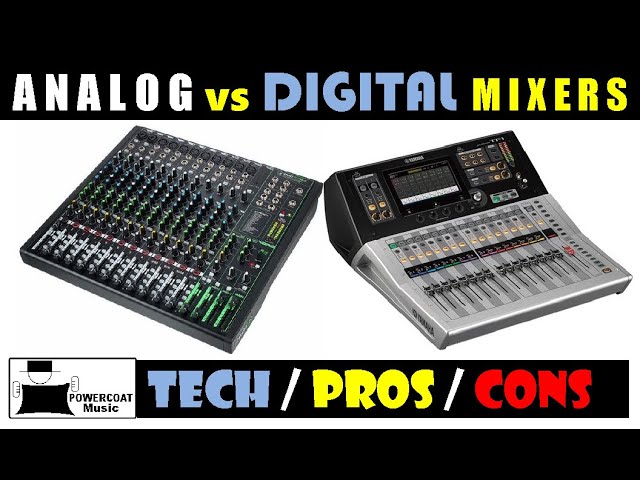
Credit: www.youtube.com

Credit: www.theproductionacademy.com
Frequently Asked Questions
What Are The Main Differences Between Analog And Digital Mixers?
Analog mixers use physical knobs and circuits to control sound, while digital mixers process audio with software. Digital mixers offer more features and flexibility than analog ones.
Which Mixer Type Is Better For Beginners?
Analog mixers are simpler to use and understand, making them good for beginners. Digital mixers may have a learning curve but offer more options once learned.
Can Digital Mixers Replace Analog Mixers In Live Shows?
Yes, digital mixers are widely used in live shows for their compact size and easy control. Analog mixers still appeal to those who prefer hands-on experience.
How Does Sound Quality Compare Between Analog And Digital Mixers?
Analog mixers provide warm, natural sound due to their circuitry. Digital mixers offer cleaner, more precise sound with less noise.
Are Digital Mixers More Expensive Than Analog Mixers?
Digital mixers often cost more upfront because of advanced features and software. Basic analog mixers usually have a lower price but fewer functions.
Conclusion
Choosing between an analog mixer and a digital mixer depends on your needs. Analog mixers offer simple, hands-on control and warm sound. Digital mixers provide flexibility, many effects, and easy saving of settings. Both have strengths and weaknesses. Think about your budget, space, and how you plan to use the mixer.
Try both types if possible. This helps you find what feels right. Use this guide to make a smart choice. Your sound setup will thank you.