
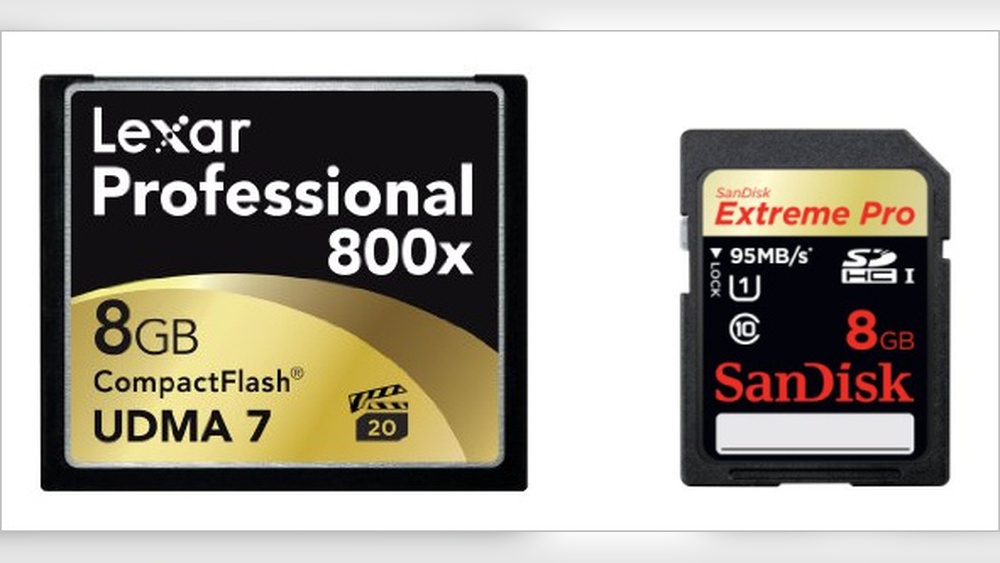
When it comes to choosing the right memory card for your camera or device, you might find yourself stuck between Compact Flash and Secure Digital cards. Both have their strengths, but which one truly fits your needs?
Understanding the key differences can save you time, money, and frustration. You’ll discover how these two popular options compare in speed, durability, and compatibility—helping you make a smart choice that keeps your photos and data safe. Keep reading to find out which memory card is the perfect match for your gear.
Compact Flash Basics
Compact Flash cards are one of the oldest types of memory cards used in digital cameras and other devices. They store data in a small, portable form. Understanding their basics helps us see why they remain useful in many areas today.
These cards have unique features that set them apart from other memory cards. Their design and performance suit certain devices better. Let’s explore their history, physical design, and performance.
History And Development
Compact Flash was created by SanDisk in 1994. It aimed to provide a reliable and fast storage solution. The card quickly became popular among professional photographers and videographers. Over time, it evolved with better speeds and larger storage sizes.
Its early adoption in cameras and industrial devices gave it a strong position. Though newer cards appeared, Compact Flash still holds value in many fields.
Physical Design And Form Factor
Compact Flash cards are larger than many other memory cards. They measure about 36 by 43 millimeters. Their thickness is roughly 3.3 millimeters. This size makes them easy to handle and insert into devices.
The card uses a 50-pin connector for data transfer. Its solid build helps resist damage from drops or rough use. This rugged design suits professional equipment and harsh environments.
Performance Features
Compact Flash cards offer fast data transfer speeds. Early versions supported up to 8 megabytes per second. Modern cards can reach speeds above 160 megabytes per second. This makes them useful for high-resolution photos and videos.
They also support large storage capacities. Some can store up to 512 gigabytes or more. Their speed and size make them reliable for continuous shooting and video recording.

Credit: www.photoreview.com.au
Secure Digital Essentials
Secure Digital (SD) cards are one of the most popular storage options today. They store photos, videos, and files in many devices. Understanding their essentials helps in choosing the right card for your needs. SD cards vary by size, speed, and type, which affects their use.
Here, we explore the key points about Secure Digital cards to help you grasp their features clearly.
Evolution And Variants
SD cards started in 1999 as simple memory cards. Over time, they evolved to offer more space and faster speeds. The basic types are SD, SDHC, and SDXC. SD holds up to 2GB. SDHC ranges from 2GB to 32GB. SDXC offers from 32GB to 2TB. Newer variants like SDUC provide even more storage.
Size And Compatibility
SD cards come in three sizes: standard, mini, and micro. Standard size is common in cameras. Mini is less used now. Micro SD is tiny and used in phones. Devices usually support specific sizes. Check your device before buying a card. Adapter tools help use smaller cards in bigger slots.
Speed Classes And Ratings
Speed matters for recording and transferring data. SD cards have speed classes to show performance. The common classes are Class 2, 4, 6, and 10. Class 10 is the fastest among these. There are also UHS Speed Classes: U1 and U3. U3 is best for 4K video. Video Speed Classes like V6, V10, V30 help with smooth video recording. Choose a card that matches your device’s speed needs.
Capacity And Storage Limits
Capacity and storage limits are key factors in choosing between Compact Flash and Secure Digital cards. These limits affect how much data you can store and how long the card will serve your needs. Understanding these limits helps make the right choice for your devices.
Maximum Capacities Available
Compact Flash cards typically offer large storage sizes. They can reach up to 512GB or more in some cases. Secure Digital cards come in various types like SD, SDHC, and SDXC. SDXC cards support storage up to 2TB, far beyond most Compact Flash cards. This makes SD cards better for very large files and high-capacity needs.
Scalability For Future Needs
Secure Digital cards have a clear path for growth. Newer standards keep increasing their maximum size. This allows users to upgrade without changing devices. Compact Flash cards grow slower in capacity. Their older design limits future scalability. For long-term use, SD cards offer more flexibility and room to expand.
Speed And Performance Comparison
Speed and performance are key factors when choosing between Compact Flash (CF) and Secure Digital (SD) cards. These factors affect how fast data moves and how well devices handle tasks. The right card ensures smooth shooting and quick file transfers. Understanding the differences helps in picking the best card for your needs.
Read And Write Speeds
Read speed is how fast a card can send data to a device. Write speed is how fast it saves new data. Compact Flash cards often have higher write speeds than SD cards. This makes them better for continuous shooting or recording high-quality video. SD cards vary a lot, with some models offering fast speeds. But on average, CF cards tend to be faster.
Impact On Photography And Video
Fast write speeds reduce delays between shots in photography. This means fewer missed moments during action shots. For video, higher speeds prevent lag and dropped frames. CF cards support longer, uninterrupted video recording. SD cards work well for casual use but can struggle with 4K video. Choosing a card with the right speed ensures better results.
Benchmark Tests
Tests show CF cards often outperform SD cards in speed. They maintain steady write speeds under heavy use. SD cards can slow down after writing large files. Some high-end SD cards close the gap but cost more. Benchmarks also show CF cards last longer in harsh conditions. These tests help photographers decide which card fits their work style.
Durability And Reliability
Durability and reliability are key factors when choosing between Compact Flash (CF) and Secure Digital (SD) cards. Both types store important data, so they must protect files under tough conditions. Understanding their build quality, resistance to damage, and error protection helps decide which fits best for your needs.
Build Quality And Materials
Compact Flash cards have a thicker and more robust design. They use sturdy plastic and metal parts. This makes them less likely to break or bend.
Secure Digital cards are smaller and lighter. They use thinner plastic, which can be less strong. Some SD cards have reinforced shells for added strength.
Resistance To Environmental Factors
Compact Flash cards handle heat, cold, and moisture better. They resist dust and water more effectively. This makes them a good choice for harsh environments.
Secure Digital cards vary in protection. Many are waterproof and shockproof. But they may not tolerate extreme temperatures as well as CF cards.
Error Correction And Data Integrity
Compact Flash cards often include advanced error correction features. These help fix data errors automatically. This keeps files safe during transfers.
Secure Digital cards use error detection and correction too. Their technology varies by brand and model. High-quality SD cards ensure better data integrity.
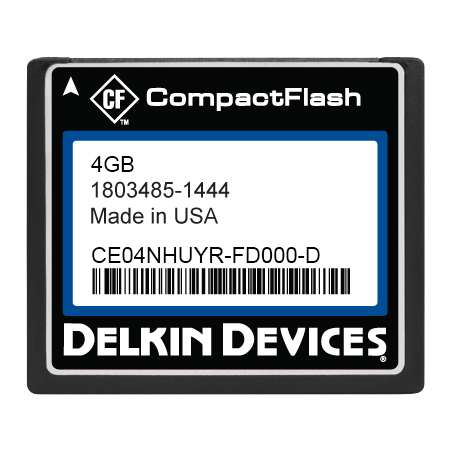
Credit: www.delkin.com
Compatibility And Device Support
Compatibility and device support are key when choosing between Compact Flash and Secure Digital cards. Each card type works with different gadgets and cameras. Knowing which card fits your devices saves time and hassle. This section explains how these cards connect with various tech.
Camera And Gadget Integration
Compact Flash cards fit many professional cameras. These cards offer high speed and large storage. Many DSLR cameras use Compact Flash for fast shooting. Secure Digital cards suit most consumer cameras and smartphones. They are common in point-and-shoot cameras and tablets. SD cards also work well in drones and action cams. Device makers choose cards based on size and speed needs.
Adapters And Multi-use Options
Adapters help use one card type in another device. Compact Flash cards often need adapters for SD slots. SD cards easily fit into many devices with a simple adapter. Some cameras have slots supporting both card types. Multi-use options increase flexibility. Adapters make SD cards usable in older devices. Compact Flash adapters are less common but still available.
Cost And Value Analysis
Cost and value play a big role when choosing between Compact Flash and Secure Digital cards. Both types have different price points and value offers. Understanding these differences helps buyers make smart choices. Let’s explore how their costs have changed over time and compare their prices per gigabyte.
Price Trends Over Time
Compact Flash cards used to be more expensive than Secure Digital cards. Their prices have dropped but not as fast. Secure Digital cards have become cheaper faster due to wider use and mass production. This trend makes SD cards more budget-friendly today. Still, some high-end CF cards hold value for special uses.
Cost Per Gigabyte Comparison
Secure Digital cards offer a lower cost per gigabyte than Compact Flash cards. Buyers get more storage for less money with SD cards. CF cards often cost more for the same storage size. This difference matters for users needing large storage at a lower price. It’s a key factor for budget-conscious buyers.
Use Cases And Ideal Applications
Choosing between Compact Flash and Secure Digital cards depends on the tasks you need. Each card type suits different devices and uses. Understanding where each excels helps pick the right memory card.
Both Compact Flash and Secure Digital cards store data but serve different markets and needs. Their speed, size, and durability influence where they work best.
Professional Photography
Compact Flash cards often appear in professional cameras. They offer fast writing speeds for high-resolution photos. Photographers prefer them for continuous shooting and RAW files.
Secure Digital cards suit casual photography. Many DSLR cameras use SD cards due to their smaller size. They provide enough speed for most photo and video tasks.
Consumer Electronics
Secure Digital cards dominate consumer electronics like smartphones, tablets, and action cameras. They are small and easy to swap. Most devices support SD or microSD formats.
Compact Flash cards rarely appear in everyday gadgets. Their size and power needs make them less common in consumer electronics.
Industrial And Specialized Fields
Compact Flash cards excel in industrial settings. They resist heat, shock, and vibration better than many SD cards. Industries use them for data logging and embedded systems.
Secure Digital cards also have industrial variants. They fit well in compact, low-power devices. Some versions meet industrial standards for durability and reliability.
Future Trends And Innovations
Technology in memory cards is changing fast. Both Compact Flash and Secure Digital cards are evolving. New ideas and trends will affect how these cards work and what they offer. Understanding these changes helps buyers choose the right card for their needs.
Future trends will also shape the market and the types of devices that use these cards. Let’s explore some of the key innovations and shifts expected in the near future.
Emerging Technologies
New memory chip designs are making cards faster and more reliable. Compact Flash cards are adopting smaller, more efficient chips. Secure Digital cards continue to improve storage capacity and speed. Advanced error correction is becoming standard to protect data. Some cards will support higher power efficiency for longer device battery life. Wireless transfer features may appear in SD cards soon. These trends help both card types stay relevant in digital devices.
Potential Market Shifts
The market for memory cards is changing with new device demands. Compact Flash cards may see less use in consumer cameras but stay strong in professional gear. Secure Digital cards dominate in smartphones, tablets, and many cameras. New formats like CFexpress might replace older Compact Flash cards. SD cards may become the universal choice for many devices. Prices could drop as technology improves and production scales up. Buyers should watch these shifts to pick the best card for their needs.
Choosing The Right Card
Choosing the right memory card can affect your device’s speed and storage. Compact Flash and Secure Digital cards serve similar purposes but differ in many ways. Picking the best card depends on your device, needs, and budget.
Understanding key factors helps you decide which card fits your setup. Performance and cost should both be balanced to get the most value. Let’s explore what to consider before making a choice.
Key Factors To Consider
Check your device’s compatibility with Compact Flash or Secure Digital cards. Look at the card’s storage size to match your file needs. Speed class matters for recording video or fast photo capture.
Durability is important if you often use the card outdoors or in harsh places. Also, think about the card’s availability and ease of replacement. These points guide you to a practical choice.
Balancing Performance And Budget
Compact Flash cards usually offer higher speeds but cost more. Secure Digital cards are cheaper and widely available but may be slower. Decide how much speed matters for your tasks.
For basic photo storage, a Secure Digital card often works well. For professional video or rapid shooting, a Compact Flash card may be better. Choose a card that fits your budget while meeting your performance needs.

Credit: www.photoreview.com.au
Frequently Asked Questions
What Is The Main Difference Between Compact Flash And Secure Digital?
Compact Flash cards are larger and mainly used in professional cameras. Secure Digital cards are smaller and common in smartphones and tablets. The size and usage vary greatly.
Which Card Offers Faster Data Transfer Speeds?
Compact Flash cards typically provide faster data transfer speeds. This makes them better for high-quality photo and video work. Secure Digital cards are slower but improving.
Are Compact Flash Cards Compatible With Sd Card Slots?
No, Compact Flash cards cannot be used in SD card slots. They require different readers or slots due to size and design differences. Always check device compatibility.
Which Card Is More Durable For Rough Conditions?
Compact Flash cards are generally more durable and robust. They handle heat and shocks better than most Secure Digital cards. Ideal for outdoor or heavy use.
Is Secure Digital Cheaper Than Compact Flash Cards?
Secure Digital cards usually cost less than Compact Flash cards. This makes them popular for everyday use and casual photography. Price depends on capacity and speed.
Conclusion
Choosing between Compact Flash and Secure Digital depends on your needs. Compact Flash cards are larger and often faster. Secure Digital cards are smaller and more common. Devices like cameras and laptops may prefer one type. Think about speed, size, and compatibility.
Each has its strengths and limits. Your choice should match your device and usage. Both offer reliable storage for photos and files. Understanding these differences helps you pick the right card. Simple and clear.