

When it comes to sound quality, you want the best experience possible. But if you’ve ever seen terms like Dolby Digital Plus and Dolby Digital, you might wonder what the difference really is—and which one matters for your setup.
Understanding these two can completely change how you enjoy movies, games, or music. Stick with me, and I’ll help you uncover the key differences so you can make the right choice for your ears and your entertainment. Ready to find out which sound format suits you best?
Let’s dive in.
Dolby Digital Basics
Dolby Digital Plus offers better sound quality and supports more channels than Dolby Digital. It uses less data while giving clearer audio for movies and music. Both are popular for home theaters and streaming services.
Origins And Development
Dolby Digital is a sound technology that started in the early 1990s. It was created to improve the way we hear audio in movies and TV shows. Dolby wanted to make sound clearer and more immersive for audiences at home and in theaters.
This technology began with a focus on digital surround sound. It allowed multiple audio channels to play at once, creating a more realistic listening experience. Over time, Dolby Digital evolved to support different devices and formats, becoming a standard for home entertainment systems.
Dolby Digital Plus came later as an enhanced version. It aimed to offer better sound quality and more flexibility. This newer format supports higher bit rates and more audio channels, improving the overall experience.
Core Features
Dolby Digital supports up to 5.1 audio channels. This means five speakers and one subwoofer for bass sounds. It delivers clear dialogue, strong bass, and surround effects. The technology uses compression to reduce file size without losing much quality.
Dolby Digital Plus improves on this by supporting more channels, up to 7.1 or more. It also uses more efficient compression methods. This lets it provide better sound quality at lower bit rates. It works well with streaming services and modern devices.
Both formats offer surround sound, but Dolby Digital Plus is more flexible. It adapts to different devices and network speeds. Dolby Digital Plus is backward compatible, meaning it can work with systems made for Dolby Digital.

Credit: pluscolombia.com
Dolby Digital Plus Features
Dolby Digital Plus offers several features that improve sound quality and efficiency. It builds on the original Dolby Digital format with new technology. These features make it popular for streaming, broadcasting, and home theater systems. Let’s explore what makes Dolby Digital Plus stand out.
Enhanced Audio Quality
Dolby Digital Plus delivers clearer and richer sound. It supports more audio channels than Dolby Digital. This means better surround sound in movies and music. The audio sounds more natural with less distortion. Users enjoy an immersive listening experience.
Advanced Compression Techniques
This format uses smarter compression to reduce file size. It keeps sound quality high while saving space. This is useful for streaming on the internet or mobile devices. Faster data transfer without losing audio detail is possible. It balances quality and efficiency well.
Compatibility And Support
Dolby Digital Plus works with many devices and platforms. It is compatible with TVs, smartphones, and streaming services. Many modern systems support this format by default. It also works with older Dolby Digital setups. This wide support ensures easy use across products.
Comparing Sound Quality
Comparing sound quality is key to understanding Dolby Digital Plus and Dolby Digital. Both formats deliver surround sound but differ in technical details. These differences affect how audio sounds in movies, TV shows, and music.
Let’s explore bitrate, channel support, dynamic range, clarity, and surround sound experience. This will help you know which format fits your needs better.
Bitrate And Channel Support
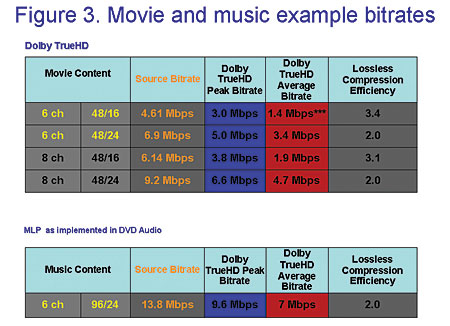
Dolby Digital Plus offers a higher bitrate than Dolby Digital. This means it can carry more audio data. More data usually means better sound quality.
Dolby Digital supports up to 5.1 channels. Dolby Digital Plus can support up to 7.1 channels. This allows for more speakers and richer sound placement.
Dynamic Range And Clarity
Dynamic range is the difference between the quietest and loudest sounds. Dolby Digital Plus provides a wider dynamic range. This makes soft sounds clearer and loud sounds more detailed.
Clarity also improves with Dolby Digital Plus. It reduces audio noise and distortion. This creates a cleaner listening experience.
Surround Sound Experience
Dolby Digital creates a solid surround sound experience. It places sounds around the listener well. Dolby Digital Plus enhances this by supporting more audio channels.
This means sounds can move more naturally in the room. It feels more immersive and lifelike. The extra channels add depth and direction to the sound.
Technical Differences
The technical differences between Dolby Digital Plus and Dolby Digital shape how we experience sound. These differences impact sound quality, file size, and device compatibility. Understanding these can help you choose the right audio format for your needs.
Encoding And Decoding
Dolby Digital uses a fixed bit rate for encoding audio. It supports up to 5.1 channels of sound. Dolby Digital Plus offers more flexible bit rates. It can support up to 7.1 channels. This flexibility allows for better sound detail. Decoding Dolby Digital Plus requires newer hardware. Dolby Digital can be decoded by most older devices. This means Dolby Digital Plus can deliver richer audio but needs updated equipment.
Bandwidth Efficiency
Dolby Digital Plus is more bandwidth-efficient than Dolby Digital. It can deliver high-quality sound at lower bit rates. This reduces the amount of data needed for streaming. Dolby Digital needs higher bit rates for similar sound quality. This difference is important for online streaming and broadcasting. Less bandwidth use means smoother playback and fewer interruptions.
Device And Platform Integration
Dolby Digital is widely supported on many devices. It works on older TVs, DVD players, and gaming consoles. Dolby Digital Plus has growing support on modern devices. It is common in smart TVs, streaming sticks, and newer gaming systems. Streaming platforms prefer Dolby Digital Plus for better sound quality. Some older devices may not support Dolby Digital Plus fully. Device compatibility is key when choosing between these formats.
Use Cases And Applications
Dolby Digital and Dolby Digital Plus serve different needs across various platforms. Each format fits unique use cases based on quality and bandwidth. Understanding where each excels helps choose the right audio technology.
Home Entertainment
Dolby Digital is common in DVDs and older home systems. It delivers clear surround sound with moderate file size. Dolby Digital Plus offers better sound quality and supports more speakers. It works well with Blu-ray and modern home theaters. Users enjoy richer audio and smoother playback with Dolby Digital Plus.
Streaming Services
Streaming platforms favor Dolby Digital Plus for its efficiency. It uses less bandwidth while providing high-quality sound. This format adapts easily to different internet speeds. Dolby Digital Plus supports multiple audio channels for immersive experience. Streaming sites like Netflix and Amazon Prime often use it.
Cinema And Broadcast
Cinemas typically use advanced Dolby systems beyond Dolby Digital. Broadcast TV uses Dolby Digital for stereo and surround sound. Dolby Digital Plus is growing in broadcast due to better compression. It fits well with HDTV and digital radio. Both formats ensure clear audio for viewers at home or theaters.
Credit: www.soundandvision.com
Choosing The Right Format
Choosing the right audio format depends on several key factors. Dolby Digital and Dolby Digital Plus both offer good sound quality. The choice between them affects your listening experience. Understanding your setup and preferences helps you pick the best option.
Hardware Compatibility
Check if your devices support Dolby Digital or Dolby Digital Plus. Older devices often only play Dolby Digital. Newer ones usually support Dolby Digital Plus for better sound. Using the right format ensures your system works smoothly. This avoids sound errors or compatibility issues.
Content Availability
Some movies and shows use Dolby Digital soundtracks. Others use Dolby Digital Plus for higher quality. Streaming services often offer Dolby Digital Plus for better audio. Physical discs like DVDs may use Dolby Digital more. Choose the format that matches your favorite content.
User Preferences
Think about your listening habits. If you want clearer, richer sound, Dolby Digital Plus is better. For basic setups, Dolby Digital may be enough. Consider how important sound quality is for you. Your choice should fit your comfort and audio needs.

Credit: www.youtube.com
Frequently Asked Questions
What Is The Main Difference Between Dolby Digital Plus And Dolby Digital?
Dolby Digital Plus offers higher audio quality and supports more channels than Dolby Digital. It also uses better compression for clearer sound at lower bitrates.
Can Dolby Digital Plus Work With Older Dolby Digital Devices?
Dolby Digital Plus is backward compatible with many Dolby Digital devices but may lose some features. Older devices might only play the basic audio track.
Which Format Is Better For Streaming Services, Dolby Digital Or Plus?
Dolby Digital Plus is preferred for streaming because it delivers better sound with less data. It supports surround sound on many online platforms.
Does Dolby Digital Plus Support More Audio Channels Than Dolby Digital?
Yes, Dolby Digital Plus supports up to 7. 1 channels, while Dolby Digital supports up to 5. 1 channels. This means richer surround sound with Plus.
Is Dolby Digital Plus Widely Used In Home Theaters?
Dolby Digital Plus is common in smart TVs and streaming devices but less common in older home theaters. Many new systems support both formats.
Conclusion
Dolby Digital Plus offers better sound quality and more features. Dolby Digital works well for basic audio needs. Both formats support surround sound for a good experience. Choose based on your device and audio preferences. Streaming services often use Dolby Digital Plus today.
Overall, understanding these differences helps you pick the right sound. Clear, rich audio makes watching movies or shows more fun. Keep your setup in mind when deciding between the two. Each has strengths that fit different listening situations.