
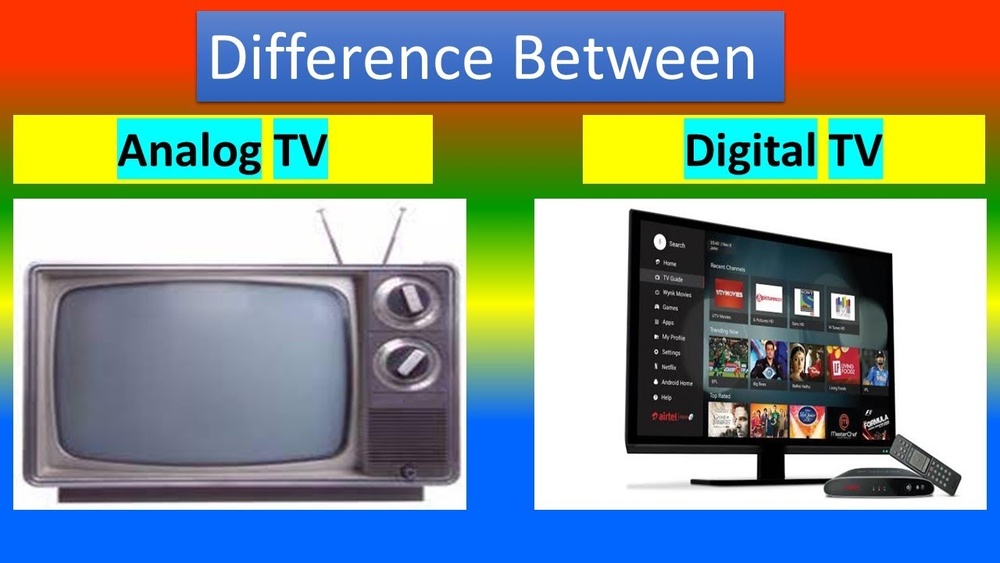
Are you curious about the difference between analog and digital television? Understanding these two can change the way you watch your favorite shows and improve your viewing experience.
Whether you’re setting up a new TV or just want to know why your picture quality varies, this article will clear things up for you. Keep reading to discover which option suits your needs best and how it impacts your entertainment at home.
Don’t miss out on learning what could make your TV time better and more enjoyable!
Analog Tv Basics
Analog TV is the older technology for broadcasting television signals. It sends audio and video as continuous waves. This method was common before digital TV became popular. Understanding the basics of analog TV helps to see how it differs from digital systems.
Many homes used analog TV for decades. It shaped how people watched shows and news. Even now, some places still rely on analog signals for TV.
Signal Transmission
Analog TV sends signals through radio waves or cables. These waves carry video and sound as electrical signals. The signal strength can change over distance or obstacles. This can cause the picture to flicker or the sound to crackle.
The signal is continuous, meaning it varies smoothly over time. This method is simple but less resistant to interference. Weather, buildings, and other signals can affect the quality.
Picture And Sound Quality
Analog TV usually shows images in lower resolution. The picture can be blurry or fuzzy. Colors may not be sharp or bright. The sound quality is also basic and can have noise.
Over time, the picture can degrade as the signal weakens. This makes watching analog TV less clear compared to digital TV. Still, many found the quality acceptable for years.
Common Formats
Several formats exist for analog TV worldwide. NTSC is common in the United States and Japan. PAL is used in Europe and parts of Asia. SECAM is popular in France and some African countries.
Each format has different frame rates and color encoding. These differences affect how the TV displays the picture. Devices made for one format may not work with another.

Credit: www.amazon.ie
Digital Tv Essentials
Digital TV has changed how people watch television. It offers clearer pictures and better sound. Digital TV uses technology that sends data as numbers. This method improves the quality of broadcasts. Understanding digital TV basics helps you see its benefits clearly.
Digital TV also supports more channels and interactive features. It uses less bandwidth than older systems. This means more programs fit into the same space. The technology behind digital TV is complex but easy to grasp with simple facts.
How Digital Signals Work
Digital TV sends information as bits, which are 0s and 1s. These bits carry audio and video data. The signal is compressed to save space. Compression keeps good quality without using too much bandwidth. The TV decodes this signal back into sound and images. This process avoids the fuzziness seen in analog TV.
Enhanced Audio And Video
Digital TV delivers sharper images with more colors. It supports high-definition (HD) and even ultra-high-definition (UHD). Sound quality is clearer and can include surround sound. Viewers enjoy a more immersive experience. These improvements make watching TV more enjoyable and lifelike.
Popular Standards
Several digital TV standards exist worldwide. DVB-T is common in Europe for terrestrial broadcasts. ATSC is used mainly in North America. ISDB-T is popular in Japan and parts of South America. Each standard has unique features but shares core digital benefits. Knowing these helps understand regional differences in digital TV.
Key Differences Between Analog And Digital
Understanding the key differences between analog and digital television helps viewers make better choices. These differences affect picture quality, the number of channels, and how signals travel. Below are the main points that separate analog from digital TV.
Signal Clarity And Interference
Analog TV sends signals as continuous waves. These waves can lose strength and pick up noise. This causes blurry pictures and fuzzy sound. Digital TV sends signals as data bits, like computer code. This method keeps the picture and sound clear. Digital signals resist interference better than analog.
Bandwidth Usage
Analog TV uses more bandwidth to send one channel. It sends the full signal all the time. Digital TV compresses signals. This means it uses less bandwidth for each channel. Digital transmission is more efficient and saves space in the airwaves.
Channel Availability
Analog TV offers fewer channels. Each channel needs its own bandwidth. Digital TV can carry many channels in the same space. Viewers get more choices with digital. Some digital systems offer extra features like guides and subtitles.

Credit: www.youtube.com
Impact On Viewing Experience
The shift from analog to digital television has changed how people watch TV. It affects picture quality, sound, and the way viewers interact with content. These factors shape the overall viewing experience. Understanding these differences helps viewers choose the best option for their needs.
Picture Resolution
Analog TV delivers a softer image with visible lines and noise. Digital TV offers a sharper and clearer picture. It supports high definition, showing more details and vibrant colors. This makes digital TV better for modern screens and big displays.
Sound Fidelity
Analog sound can be fuzzy and affected by interference. Digital sound is clean and crisp. It supports surround sound formats, making movies and shows more immersive. Viewers enjoy clearer dialogue and richer audio effects with digital TV.
Interactive Features
Analog TV provides only basic viewing with no interaction. Digital TV adds features like program guides and on-demand content. Some digital services allow viewers to pause, rewind, or record shows. These options offer more control over what and how to watch.
Equipment And Compatibility
Choosing between analog and digital television affects the equipment you use. Each type needs specific devices to work correctly. Compatibility matters to avoid extra costs and poor picture quality.
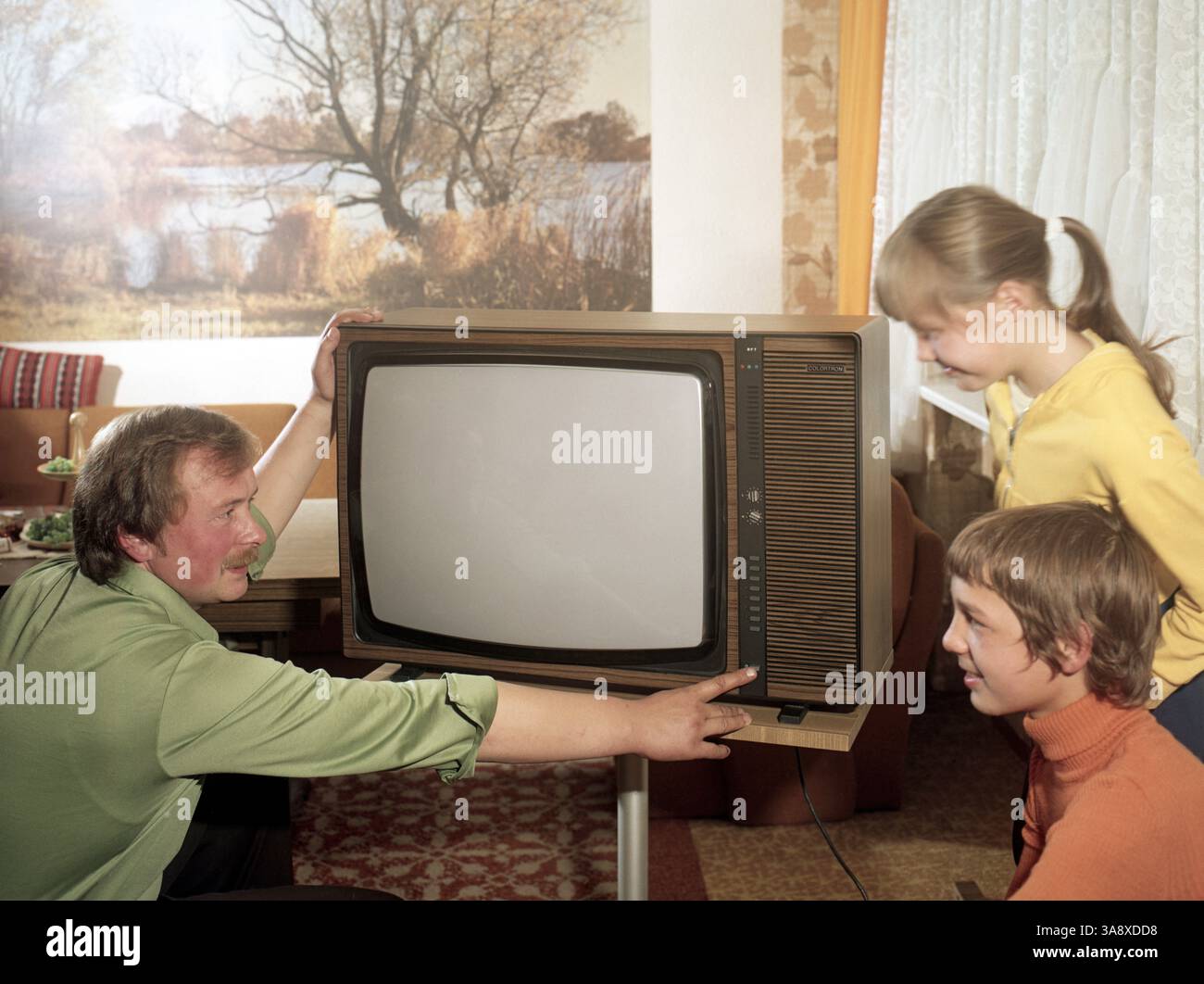
Older TVs may not support digital signals without added gear. Digital systems often require new cables and connectors for best results. Understanding these differences helps you prepare your home setup well.
Tv Sets And Tuners
Analog TVs use tuners made for radio waves. They capture signals directly from antennas or cables. Digital TVs have built-in tuners that decode digital signals.
Many older TV sets lack digital tuners. They need external boxes to convert signals for display. Newer sets usually support both analog and digital signals.
Cables And Connectors
Analog TV mostly uses coaxial cables and RCA connectors. These cables carry simple signals but can lose quality over distance. Digital TV uses HDMI cables for clearer, sharper images.
HDMI combines audio and video in one cable. It supports high-definition content, unlike analog connectors. Using the right cable improves your viewing experience greatly.
Set-top Boxes
Set-top boxes help older TVs receive digital broadcasts. They convert digital signals into analog form for the TV. These boxes connect through coaxial or HDMI cables.
Some digital boxes offer extra features like recording and on-demand content. They expand what your TV can do without buying a new set. Choosing the right box depends on your TV and service type.
Credit: www.alamy.com
Transition From Analog To Digital
The transition from analog to digital television marked a major change in how people watch TV worldwide. This shift involved moving from old signals to new, clearer digital broadcasts. It took years for many countries to fully switch over. The change improved the TV experience but also brought challenges for viewers and broadcasters.
Global Shift Timelines
Many countries began digital TV broadcasts in the early 2000s. Some nations completed the switch by 2010, while others took longer. The United States ended analog broadcasts in 2009. Europe followed with different dates for each country. Some places still use analog signals in rural areas. The timeline depended on technology, laws, and public readiness.
Benefits Of Switching
Digital TV provides sharper picture quality and better sound. It allows more channels to fit in the same air space. Viewers can access interactive features and electronic guides. Digital signals are less prone to interference and static. This improves the overall viewing experience. Broadcasters also benefit from lower transmission costs.
Challenges Faced
Many people needed new TVs or set-top boxes. Some older TVs could not receive digital signals. The switch confused viewers about equipment and service. Broadcasters faced high costs to upgrade technology. Rural areas had trouble getting strong digital signals. Governments had to educate the public about the change. Despite issues, most adapted to digital TV over time.
Future Of Tv Technology
The future of TV technology promises many changes that will affect how people watch shows and movies. Advances in technology are making TVs smarter, clearer, and more connected. These changes make the viewing experience better and more personal.
Streaming And Smart Tvs
Streaming services have grown fast in recent years. Smart TVs let users watch shows directly from the internet. No need for cable or satellite boxes. Apps are built into the TV, making access easy and quick. This allows viewers to choose from many programs anytime they want.
4k And Beyond
Picture quality keeps improving. 4K resolution offers four times more pixels than full HD. Images look sharper and more detailed. Some TVs now support 8K, which is even clearer. These advances bring a more lifelike experience to the screen. Bright colors and better contrast add to the realism.
Integration With Other Devices
Modern TVs work well with other smart devices. Phones, tablets, and smart speakers connect easily. This allows control by voice or mobile apps. Users can stream music, cast videos, or display photos on the big screen. Integration makes the TV part of a larger home system.
Frequently Asked Questions
What Is The Difference Between Analog And Digital Tv?
Analog TV sends signals as waves, while digital TV sends data as bits. Digital TV offers clearer images and sound. Analog can have more interference and lower quality.
Why Did Tv Switch From Analog To Digital?
Digital TV uses bandwidth better and supports high-definition channels. It allows more channels and better picture quality. Analog signals are less efficient and harder to maintain.
Can Analog Tvs Receive Digital Channels?
Most analog TVs cannot receive digital signals directly. A digital converter box is needed to watch digital channels on analog TVs. This box changes digital signals into analog.
How Does Digital Tv Improve Picture And Sound Quality?
Digital TV transmits data without noise, so images are sharper and sound is clearer. It supports high definition and surround sound. Analog signals often cause fuzziness and static.
Is Digital Tv More Expensive Than Analog Tv?
Digital TVs can cost more upfront but offer better features. Over time, digital TV saves money by providing more channels and better quality. Analog TV is mostly outdated now.
Conclusion
Choosing between analog and digital television depends on your needs and equipment. Analog signals offer simplicity but lower picture quality. Digital TV delivers clearer images and more channels. It also supports interactive features. Many countries now favor digital broadcasts for better service.
Older devices may only work with analog signals. Digital requires compatible TVs or set-top boxes. Understanding the differences helps you pick the right option. Think about signal quality, available channels, and device compatibility. This way, you enjoy the best viewing experience possible.