
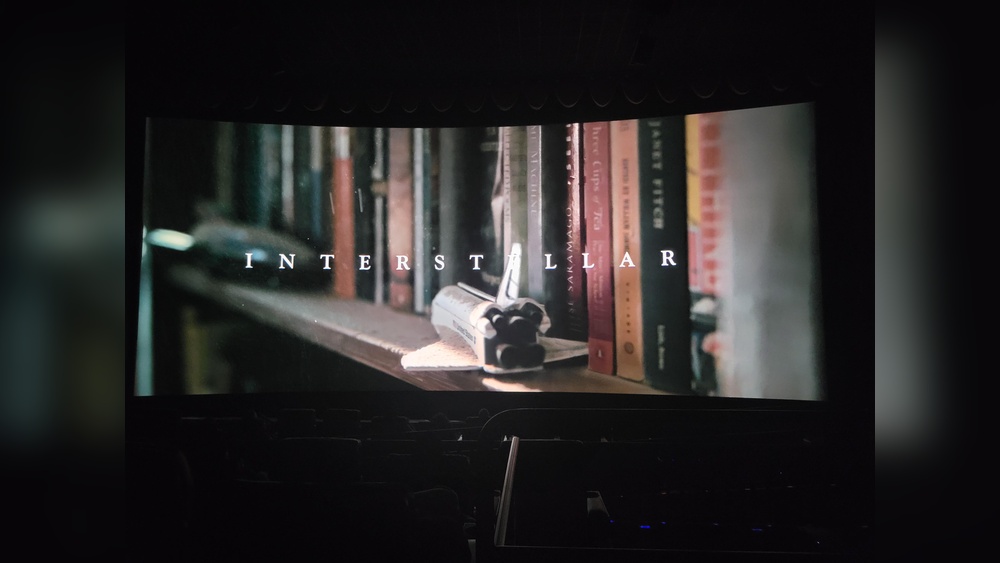
Are you curious about the real difference between Cine XL and Digital? Whether you’re a filmmaker, a video enthusiast, or just someone who loves great visuals, understanding these two options can change the way you create and enjoy movies.
Imagine capturing your story with the richest colors, sharpest details, or the smoothest editing. Which one gives you that edge? Keep reading to discover what sets Cine XL apart from Digital, and find out which one fits your needs perfectly.
Your next project could depend on it.

Credit: cvp.com
Film Quality Comparison
Comparing film quality between Cine XL and digital formats reveals key differences. Each offers unique visual experiences. Understanding these helps choose the right medium for your project.
Image Resolution And Texture
Cine XL provides a rich, organic texture. Its resolution depends on the film stock and camera used. Digital cameras offer consistent, high-resolution images. Digital files often appear sharper and cleaner than Cine XL. Film grain in Cine XL adds a tactile feel missing in digital images.
Color Reproduction
Cine XL captures colors with a natural warmth and depth. Colors may shift slightly based on film type and processing. Digital formats reproduce colors more precisely and consistently. Digital allows easy color correction during editing, improving accuracy. Cine XL colors often have a softer, vintage look.
Grain And Noise Characteristics
Cine XL shows visible grain due to film emulsion. Grain varies with ISO and film stock choice. Grain can enhance mood and texture in images. Digital noise appears in low light but is often less noticeable. Noise in digital files can be reduced by software tools.
Shooting Process Differences
The shooting process differs a lot between Cine XL and digital cameras. These differences affect how filmmakers work and the final look of the film. Understanding these changes helps in choosing the right method for each project.
From the equipment to how fast you can shoot, each method has its own rules. These rules change the way you plan and handle your filming days.
Camera Equipment And Handling
Cine XL cameras are large and heavy. They need careful handling and steady support. Operators must know how to load and adjust the cameras manually.
Digital cameras are lighter and easier to carry. They often have automatic settings that help with focus and exposure. This makes shooting faster and less tiring.
Film Loading Vs Digital Storage
Cine XL uses physical film rolls. Each roll holds limited footage and needs to be loaded in a dark room or with special care. Film must be changed after every few minutes of shooting.
Digital cameras save images on memory cards. These cards can store hours of footage. No need to stop often for changing film. This saves time on set.
Shooting Speed And Flexibility
Shooting with Cine XL is slower. Filmmakers must plan shots carefully because film is expensive and limited. Mistakes can be costly.
Digital shooting is more flexible. You can record many takes without worrying about running out of film. This allows more creativity and experimentation during filming.
Editing And Post-production
Editing and post-production shape the final look of a film. This stage refines the story, visuals, and sound for the audience. The process differs between Cine XL and digital formats. Each method has unique tools and challenges.
Editing Workflow
Cine XL editing involves physical film cutting and splicing. Editors work with actual film strips, which takes more time. Digital editing uses software to cut and arrange clips quickly. It allows easy changes and instant previews. Digital workflows support faster decision-making and flexibility.
Special Effects Integration
Special effects on Cine XL require manual techniques like optical printing. This process is complex and less flexible. Digital editing simplifies effects creation and layering. Effects can be added and adjusted on the computer. Digital tools offer more control and creative freedom.
Color Grading Techniques
Cine XL color grading depends on chemical processes and timing. It is less precise and harder to adjust later. Digital color grading uses software to tweak colors easily. Editors can correct or enhance scenes with precision. Digital methods provide consistent and repeatable results.

Credit: ktar.com
Cost And Accessibility
Cost and accessibility play a big role in choosing between Cine XL and digital filming. Both formats have different price points and access levels. These factors affect filmmakers’ decisions, especially those with limited budgets or resources. Understanding the costs and how easy it is to access each option helps make a better choice.
Initial Investment
Cine XL requires buying film stock and special cameras. These cameras often cost more than digital ones. Film stock prices can be high. Digital cameras have a one-time cost. You pay once and then shoot many projects. This makes digital easier to start with for new filmmakers.
Ongoing Expenses
Cine XL needs constant buying of film rolls. Developing and processing the film adds more costs. This can add up fast for long projects. Digital filming saves money here. You can reuse memory cards and hard drives. Editing digital files costs less than handling film.
Availability For Filmmakers
Finding Cine XL film and labs can be tough. Not all places have the materials or services. Digital gear is easier to find worldwide. Many stores and online shops sell digital cameras. Digital editing software is common and affordable. This makes digital filming accessible for many creators.
Archival And Longevity
Archival and longevity are key concerns for filmmakers and collectors. Choosing between Cine XL and digital formats affects how long films last. Each format has unique ways to preserve content over time. Understanding these differences helps protect valuable footage for future generations.
Film Preservation Methods
Traditional film uses physical reels made of durable materials. These reels require careful storage in cool, dry places. Temperature and humidity control prevent film from degrading. Archivists often use special chemicals to slow decay. Proper handling avoids scratches and tears. Film can last over 100 years with good care.
Digital Storage Challenges
Digital files depend on electronic devices and formats. Storage media can fail or become obsolete. Hard drives, SSDs, and cloud services all have risks. Files may get corrupted or accidentally deleted. Regular backups and updates are essential. Digital files need constant attention to remain accessible.
Restoration Possibilities
Film can be cleaned and repaired with physical tools. Scratches and color fading can be fixed by experts. Digital restoration uses software to correct damage. It can remove noise, fix colors, and improve sharpness. Both methods can restore old footage to near-original quality. Restoration costs vary based on damage and format.
Audience Experience
The audience experience differs greatly between Cine XL and digital formats. Both offer unique ways to watch movies. These differences affect how viewers enjoy films and remember them. Understanding these points helps choose the best option for your viewing habits.
Theatrical Presentation
Cine XL provides a grander theatrical experience. The large screen and higher resolution create vivid images. Sound systems in Cine XL theaters are powerful and clear. This setting pulls viewers into the movie world. Digital formats may lack the same size and sound depth. The cinema atmosphere adds excitement and focus to the film.
Home Viewing Quality
Digital formats shine in home viewing. They offer convenience and easy access. High-definition screens on TVs and devices improve image quality. Many digital platforms support subtitles and multiple languages. Cine XL is limited to theaters and showtimes. Digital lets viewers watch anytime and pause if needed.
Emotional Impact And Nostalgia
Cine XL often triggers strong emotions and nostalgia. The classic film feel and large format evoke memories. Watching in a theater can feel like a special event. Digital viewing is more casual and flexible. It lacks some of the old-school charm but suits everyday life. Each format creates different emotional connections.
Environmental Impact
The choice between Cine XL and digital formats affects the environment in different ways. Each method has unique impacts on natural resources and waste. Understanding these effects helps filmmakers make better decisions.
Film Production Waste
Traditional film uses chemicals and plastic materials. These create waste that is hard to recycle. Film reels also require storage space and can degrade over time. Disposing of chemicals safely is costly and complex. This waste can harm soil and water if not handled properly.
Digital Energy Consumption
Digital filmmaking needs powerful computers and servers. These devices consume a lot of electricity. Data centers run 24/7 to store and process digital files. The energy often comes from fossil fuels, increasing carbon emissions. Digital editing and rendering can also use significant power.
Sustainability Considerations
Both film and digital have sustainability challenges. Film waste demands careful disposal and less frequent use. Digital requires clean energy to reduce its carbon footprint. Using renewable energy sources can help digital processes. Choosing the right format depends on balancing creative needs and environmental care.

Credit: www.harkins.com
Future Trends In Filmmaking
Filmmaking is evolving quickly with new trends shaping its future. Both Cine XL and digital formats play key roles in this change. Understanding upcoming trends helps filmmakers choose the right tools. The future brings exciting possibilities for creativity and technology.
Hybrid Technologies
Filmmakers now mix Cine XL and digital tools to get the best of both. Hybrid systems combine film’s rich texture with digital’s ease and speed. This blend offers unique looks and flexible workflows. Many studios invest in gear that supports both formats. Hybrid technology opens new doors for storytelling and innovation.
Emerging Formats
New film formats are appearing alongside digital upgrades. Formats like 8K digital and high dynamic range (HDR) improve image quality. Some filmmakers also explore revived film stocks with modern chemicals. These formats offer sharper images and richer colors. Experimentation with formats helps creators find fresh visual styles.
Industry Adoption Rates
Digital filmmaking remains popular due to lower costs and faster editing. Still, some directors prefer Cine XL for its authentic look. Adoption rates vary by region and project type. Big studios often choose digital for blockbusters and commercials. Indie filmmakers sometimes pick Cine XL for art films and documentaries. The mix of formats keeps the industry diverse and dynamic.
Frequently Asked Questions
What Is The Main Difference Between Cine Xl And Digital?
Cine XL uses film to capture images, while Digital records images electronically. Film creates a classic look; digital offers quick editing.
Which Format Offers Better Image Quality: Cine Xl Or Digital?
Digital often provides sharper images with more detail. Cine XL delivers a warmer, grainy feel that many find charming.
Is Cine Xl More Expensive Than Digital Filming?
Yes, Cine XL usually costs more due to film and processing. Digital filming is generally cheaper and more convenient.
Can Cine Xl Footage Be Easily Edited Like Digital?
Editing Cine XL requires film scanning to digital files first. Digital footage can be edited instantly on computers.
Which Format Is Preferred For Professional Filmmaking Today?
Digital is widely preferred for its speed and flexibility. Some filmmakers still choose Cine XL for its unique aesthetic.
Conclusion
Choosing between Cine XL and digital depends on your needs and style. Cine XL offers a classic feel with rich textures. Digital provides speed and easy editing. Each has its own strengths and weaknesses. Think about what matters most for your project.
Both can create great results in their way. The best choice fits your budget and goals. Keep experimenting to find what suits you best.