
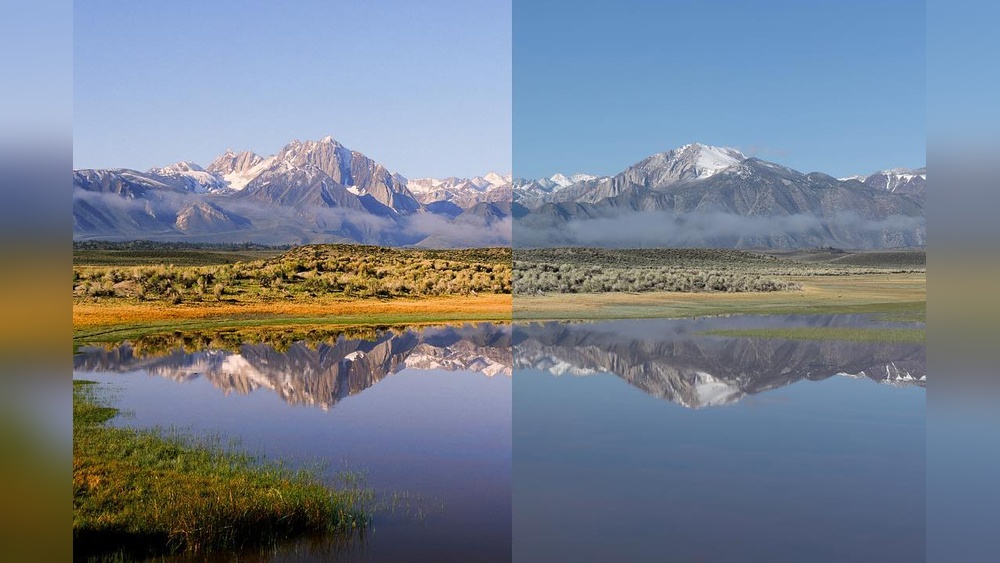
Are you trying to decide between an analog or digital camera but feel overwhelmed by the options? Choosing the right camera can make a huge difference in how you capture your most important moments.
You might wonder which one suits your style better, or which offers the best quality and ease of use. This article will break down the key differences in a simple way, helping you understand what each camera can do for you.
By the end, you’ll have a clear idea of which camera matches your needs and creative goals. Keep reading to unlock the secret to taking photos you’ll love.
Key Differences
Choosing between analog and digital cameras depends on understanding their key differences. These differences affect how photos are taken, saved, and viewed. Knowing these can help you pick the right camera for your needs.
Image Capture Process
Analog cameras use film to capture images. Light hits the film, creating a chemical reaction. This reaction forms the photo. Digital cameras use sensors to capture light. The sensor changes light into digital data instantly. This process allows quick viewing and editing of photos.
Image Quality
Analog cameras often create images with natural grain and depth. Film can capture wide color ranges and subtle details. Digital cameras produce sharp, clear images. They offer high resolution and easy adjustments. However, image quality depends on the camera model and settings.
Storage And Format
Analog photos are stored on physical film rolls. These require development in a darkroom or lab. Digital photos save as files on memory cards. This allows thousands of images to be stored and shared easily. Digital formats include JPEG, RAW, and TIFF.
Cost And Maintenance
Analog cameras need film and processing, which costs money over time. Film and chemicals must be stored carefully. Digital cameras have higher upfront costs but no film fees. They need battery power and occasional software updates. Maintenance mainly involves cleaning lenses and sensors.
Advantages Of Analog Cameras
Analog cameras offer unique benefits that many photographers appreciate. They bring a different experience compared to digital cameras. Using film changes how you see and capture the world.
These cameras have qualities that make photos look special. They do not rely on modern technology, which some find refreshing. Here are some key advantages of analog cameras.
Film Aesthetics
Film creates a warm and natural look in photos. Colors appear soft and rich, not harsh or artificial. Grain adds texture that feels organic and artistic. This style is hard to copy with digital tools.
Dynamic Range
Analog film captures a wide range of light and shadow. It shows details in both bright and dark areas well. This helps create images with depth and balance. Digital sensors sometimes lose details in extreme light.
No Battery Dependency
Most analog cameras work without batteries. You can shoot anywhere without worrying about power. This makes them great for outdoor or remote locations. It also means fewer technical problems during shooting.
Advantages Of Digital Cameras
Digital cameras offer many benefits over analog models. They provide more control and flexibility for photographers. These advantages help both beginners and experts capture great images easily.
Below are some key benefits of using digital cameras that make them popular today.
Instant Image Review
Digital cameras let you see your photos right after taking them. No need to wait for film development. You can check if the picture is clear or well-framed. This helps you take better shots on the spot. Mistakes can be fixed immediately by retaking the photo.
Higher Storage Capacity
Memory cards in digital cameras store hundreds or thousands of photos. Unlike film rolls, you don’t need to change storage often. This is convenient for long photo sessions or travel. You can also save videos and other media alongside photos. Storage size is easy to increase by using larger cards.
Advanced Features
Digital cameras include many built-in features to improve photos. Options like autofocus, face detection, and image stabilization help capture sharp images. You can also adjust settings like ISO, white balance, and exposure quickly. Some models offer creative filters and editing tools. These features give more control and creative freedom.
Types Of Analog Cameras
Analog cameras come in several types. Each type offers unique features and image qualities. Understanding these types helps you choose the right camera for your needs. Here are the main types of analog cameras used by photographers.
35mm Cameras
35mm cameras are the most common analog cameras. They use 35mm film rolls. These cameras are compact and easy to carry. Many beginners and professionals prefer them. The film size allows for sharp and detailed photos. They work well for everyday photography and special projects.
Medium Format Cameras
Medium format cameras use larger film than 35mm. The film size gives better image quality and detail. These cameras are popular among portrait and fashion photographers. They are bulkier but provide richer colors and sharper pictures. Medium format cameras capture more light and depth.
Large Format Cameras
Large format cameras use the biggest film size. They produce very high-resolution images. These cameras are often used for landscapes and architecture photos. Large format cameras are heavy and need a tripod. They offer excellent control over focus and perspective.
Types Of Digital Cameras
Digital cameras come in different styles. Each type suits different needs and skill levels. Knowing the types helps you choose the right camera for your photos.
Here are the main types of digital cameras people use today.
Dslr Cameras
DSLR cameras have large sensors and interchangeable lenses. They offer high image quality and manual controls. These cameras are perfect for serious photographers. They capture sharp photos in many lighting conditions. DSLRs are bulkier but very reliable.
Mirrorless Cameras
Mirrorless cameras are smaller than DSLRs but offer similar quality. They lack a mirror inside, making them lighter. These cameras also use interchangeable lenses. Fast autofocus and good video features are common. Mirrorless cameras are great for travel and everyday use.
Point And Shoot Cameras
Point and shoot cameras are compact and easy to use. They have fixed lenses and automatic settings. These cameras are ideal for beginners or casual photographers. You can carry them anywhere for quick snapshots. The image quality is good for simple photos.
Choosing Based On Photography Style
Choosing a camera depends on the type of photography you want to do. Different styles need different features. Both analog and digital cameras have strengths. Understanding your style helps pick the right camera.
Portrait Photography
Portrait photography focuses on people’s expressions and emotions. Analog cameras give a soft, natural look. Many photographers like the film’s texture for portraits. Digital cameras offer quick previews and easy edits. They also handle low light better. For sharp, detailed portraits, digital is great. For classic, warm tones, analog works well.
Landscape Photography
Landscape photography captures wide scenes and nature. Analog cameras capture rich colors and fine details. Film can show depth in shadows and highlights. Digital cameras give instant results and easy sharing. They handle different lighting conditions with ease. For long trips, digital is lighter and more flexible. For timeless, textured images, analog is ideal.
Street Photography
Street photography captures candid moments in daily life. Analog cameras offer a discreet, quiet shooting experience. Film encourages thoughtful, slow shooting. Digital cameras allow many shots without extra cost. They also provide fast autofocus and quick sharing. For casual, spontaneous shots, digital is handy. For artistic, thoughtful images, analog adds charm.
Action And Sports Photography
Action photography needs speed and precision. Digital cameras have fast autofocus and high frame rates. They capture sharp images of fast movement. Analog cameras struggle with speed and quick shots. Digital also offers easy image review and deletion. For sports, digital cameras are usually better. They keep up with fast, changing scenes.
Budget Considerations
Budget plays a big role in choosing between analog and digital cameras. Understanding the costs helps you pick the right option. Both types have different expenses you must consider.
Initial Investment
Analog cameras often cost less upfront. You can find used models at low prices. Digital cameras usually need a higher initial payment. New models offer advanced features but come with a bigger price tag.
Ongoing Costs
Film and development add to analog camera costs. Each roll of film has a price. Developing film takes time and money. Digital cameras have fewer ongoing costs. You only pay for memory cards and occasional maintenance.
Resale Value
Analog cameras can hold value well. Vintage models may even increase in price. Digital cameras lose value faster as new models appear. Selling digital gear often means a lower return.

Credit: www.ccfamct.us
Maintenance And Durability
Maintenance and durability play a big role in choosing between analog and digital cameras. Both types need care to work well over time. Their design and parts affect how you handle, store, and fix them. Understanding these differences helps keep your camera safe and working longer.
Handling And Storage
Analog cameras often need careful handling. Film can get damaged by light or heat. Store these cameras in cool, dry places. Digital cameras are more resistant to light but still need protection from moisture and dust. Use padded bags for both types to avoid drops and scratches.
Repair And Servicing
Analog cameras may require specialized repair skills. Finding parts can be hard and costly. Digital cameras can also break but are easier to fix. Many service centers offer repairs and software updates. Regular checks help prevent bigger problems in both camera types.
Longevity
Analog cameras can last decades with good care. Film and mechanical parts wear out but can be replaced. Digital cameras may become outdated faster due to new technology. Their batteries and sensors can degrade over time. Proper maintenance extends the life of both camera types.
Future Trends In Cameras
The future of cameras blends old and new technologies. Both analog and digital cameras continue to evolve with exciting trends. These changes affect how photographers capture and enjoy images.
Advances in camera technology bring better quality and new features. Meanwhile, some people still love the charm of film photography. A unique mix of analog and digital methods is also gaining attention.
Technological Innovations
Digital cameras now offer higher resolution and faster processing. New sensors capture clearer images in low light. Artificial intelligence helps with focus and scene detection. Cameras become smarter and easier to use. Software updates improve camera functions over time.
Film Revival Movements
Film photography is regaining popularity among artists and hobbyists. Many enjoy the authentic look of film photos. Film cameras are becoming collectible items again. New film stocks and developing labs support this trend. Workshops teach people how to shoot with film.
Hybrid Cameras
Hybrid cameras combine analog and digital features. They allow users to shoot on film and digital formats. This offers flexibility and creative control. Some hybrids let you preview images digitally before printing. These cameras appeal to both traditional and modern users.

Credit: flegenheimer.com

Credit: www.youtube.com
Frequently Asked Questions
What Is The Main Difference Between Analog And Digital Cameras?
Analog cameras use film to capture images, while digital cameras use electronic sensors. Digital cameras store images as files on memory cards.
Which Camera Type Offers Better Image Quality?
Digital cameras generally provide higher image quality with clearer and sharper photos. Analog cameras can have a unique, nostalgic look but less detail.
How Do Analog And Digital Cameras Differ In Cost?
Analog cameras often cost less upfront but require ongoing film and development expenses. Digital cameras have a higher initial price but lower long-term costs.
Can Digital Cameras Store More Photos Than Analog Ones?
Yes, digital cameras can store hundreds or thousands of images on memory cards. Analog cameras are limited by the number of film exposures.
Which Camera Is Easier To Use For Beginners?
Digital cameras are easier for beginners due to instant image preview and automatic settings. Analog cameras need more skill and knowledge of film handling.
Conclusion
Choosing between analog and digital cameras depends on personal needs and style. Analog cameras offer a classic feel and unique photo quality. Digital cameras provide instant results and easy editing options. Both types have strengths worth considering. Think about how you want to capture and use your photos.
Your choice will shape your photography experience. Either way, enjoy creating and sharing your pictures.