
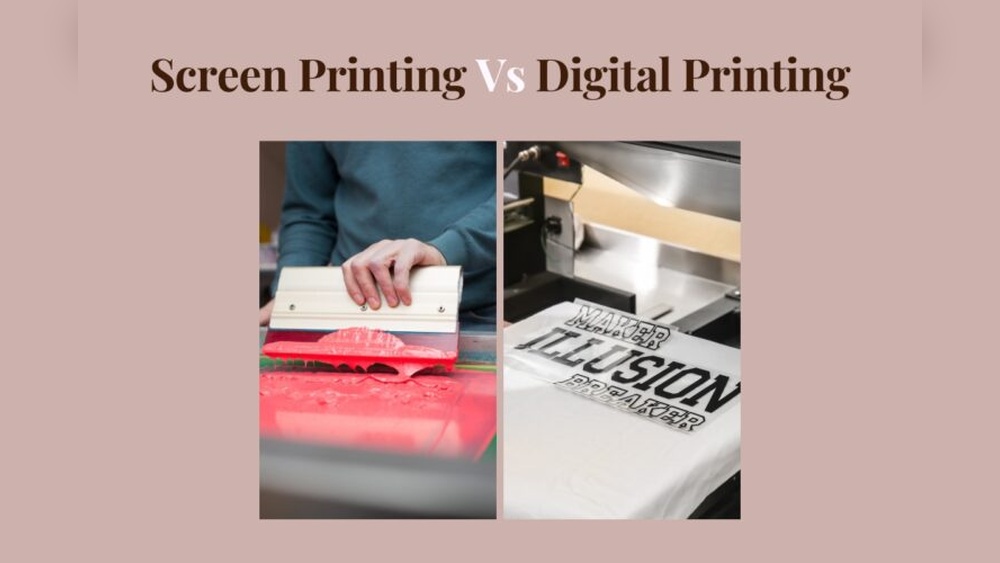
When it comes to bringing your designs to life, choosing the right printing method can make all the difference. You might wonder whether screen printing or digital printing is better for your project.
Each has its own strengths, costs, and ideal uses. Understanding these differences will help you save time, money, and avoid frustration. Keep reading to discover which printing option fits your needs perfectly—and why making the right choice now will give your designs the impact they deserve.
Screen Printing Basics
Screen printing is a popular printing method used for many products. It has been around for a long time. It creates vibrant and lasting prints. This method uses a stencil and a mesh screen to apply ink on a surface. It works well for simple and bold designs.
Understanding the basics of screen printing helps to choose the right printing option. Here is a breakdown of how screen printing works and its benefits and limits.
How Screen Printing Works
A screen with a stencil blocks some areas and lets ink pass through others. The stencil outlines the design. Ink is pushed through the open areas of the screen using a squeegee. This transfers the ink onto the material below. Each color requires a separate screen and pass. The process repeats for each layer of color.
Materials Suitable For Screen Printing
Screen printing works on many materials. Common choices include cotton, polyester, and blends. It also prints well on paper, wood, and plastic. Thick and flat surfaces suit this method best. Thin or stretchy materials can be tricky to print on.
Advantages Of Screen Printing
Screen printing creates bright and durable prints. It works well for large orders and simple designs. The ink layers are thick, giving a strong color. It handles bold colors better than gradients. The prints resist washing and fading. It is cost-effective for bulk printing.
Limitations Of Screen Printing
The process can be slow for many colors. Each color needs a new screen. Fine details are hard to print clearly. It is not ideal for small orders because setup takes time. The cost per unit is higher for few items. Photographic images do not print well.
Digital Printing Essentials
Digital printing is a popular method for creating images on various surfaces. It uses modern technology to produce detailed and colorful prints quickly. This method suits many small to medium-sized projects. Understanding digital printing basics helps you decide if it fits your needs.
Digital printing offers flexibility and speed. It skips many steps found in traditional printing methods. This makes it cost-effective for short runs and custom designs.
How Digital Printing Works
Digital printing uses printers similar to home inkjets or lasers but on a larger scale. It sends digital files directly to the printer. The printer applies ink or toner straight onto the material. This process avoids using printing plates or screens.
Each color is printed one at a time, layering to form the final image. The printer precisely places tiny dots of ink. This method creates sharp, vibrant images with smooth color transitions.
Materials Suitable For Digital Printing
Digital printing works well on many materials. Common choices include paper, fabric, plastic, and vinyl. It also prints on cotton, polyester, and blends. Some printers handle thicker materials like cardboard or wood.
Materials must be compatible with the printer’s ink or toner. This ensures the print sticks well and lasts long. Many digital printers support both natural and synthetic fabrics.
Advantages Of Digital Printing
Digital printing offers fast turnaround times. It suits small to medium print runs perfectly. Designs can be changed easily without extra cost. There is less waste since no plates or screens are needed.
This method allows for full-color prints with great detail. It supports photo-quality images and gradients. Customization is simple, making it ideal for personalized products.
Limitations Of Digital Printing
Digital printing is less cost-effective for large runs. The price per unit is higher compared to screen printing. Some colors may not be as vibrant or opaque. White ink printing is limited or unavailable on some machines.
Durability can vary depending on the material and ink. Prints may fade faster under strong sunlight. Not all materials accept digital ink well, causing adhesion problems.
Cost Comparison
Cost is a major factor when choosing between screen printing and digital printing. Understanding the cost differences helps in selecting the right method for your project. Both methods have unique cost structures that affect the overall price.
Setup Costs
Screen printing requires creating screens for each color. This setup process costs more time and money. Digital printing has almost no setup cost. It prints directly from the digital file, saving initial expenses.
Production Costs
Screen printing becomes cheaper per item as quantity increases. The ink and labor cost spread out over many items. Digital printing costs stay about the same for each item. It uses less labor but more expensive ink per print.
Cost Efficiency For Different Quantities
Screen printing works best for large orders. The setup cost is high but pays off with volume. Digital printing suits small or custom orders. It keeps costs low without setup fees for fewer prints.
Quality And Durability
Quality and durability are key factors when choosing between screen printing and digital printing. Both methods affect how the final product looks and how long it lasts. Understanding these differences helps you pick the best option for your project.
Print Resolution And Detail
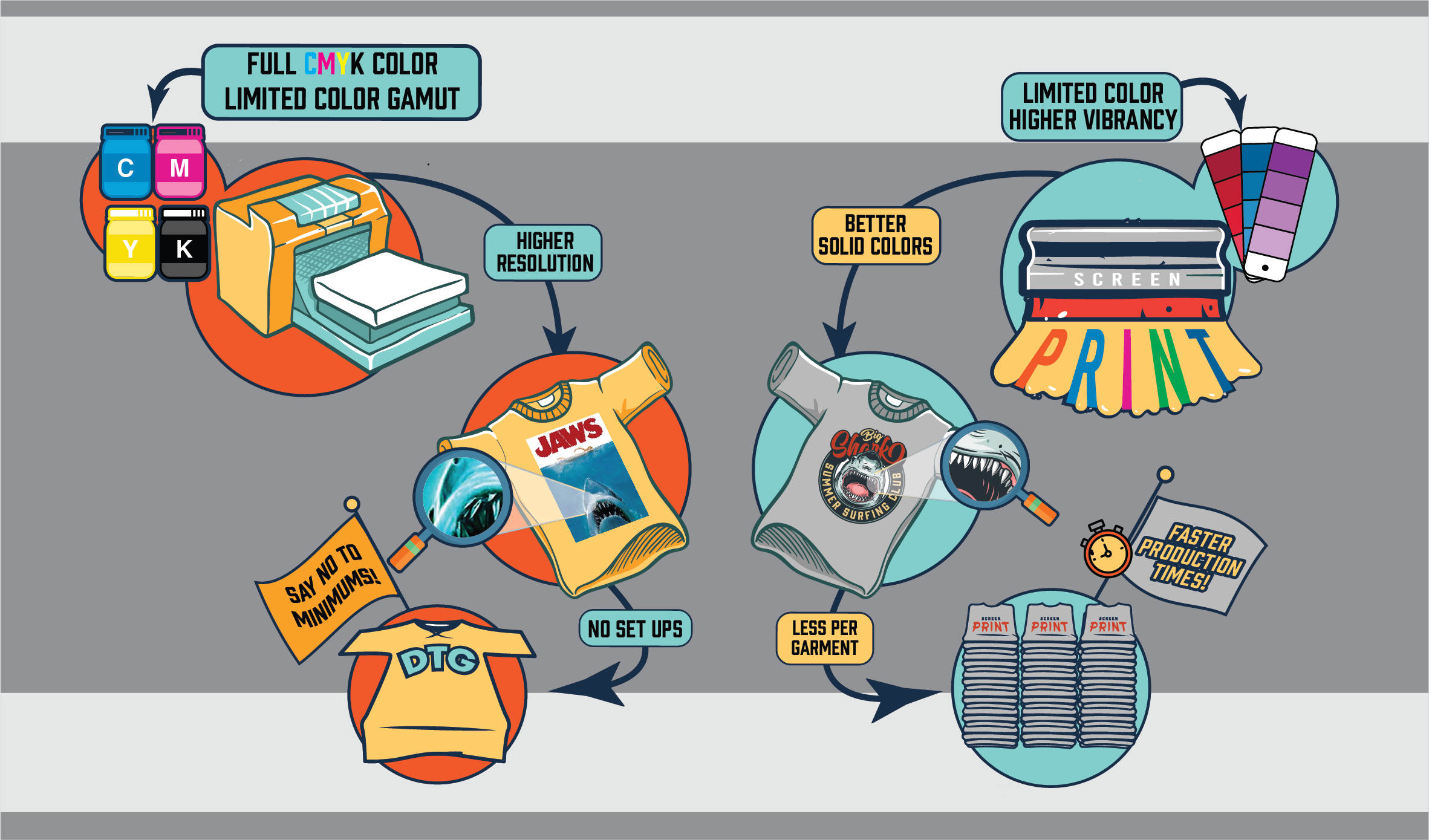
Digital printing offers high resolution and fine details. It can print complex images with smooth gradients. Screen printing works best for bold designs with fewer details. It may struggle with small text or intricate patterns.
Color Vibrancy And Accuracy
Screen printing produces bright and vibrant colors. It uses thick layers of ink, which stand out well. Digital printing prints colors accurately but with less intensity. Color matching is easier in screen printing for solid shades.
Longevity And Wear Resistance
Screen printing is more durable on fabrics. The thick ink layer resists fading and cracking. Digital prints may fade faster after many washes. Screen printing holds up better for long-term use.
Design Flexibility
Design flexibility is a key factor when choosing between screen printing and digital printing. It affects how detailed, colorful, and personalized your final product can be. Both methods offer unique benefits and limits in design options.
Understanding these differences helps you pick the best technique for your project’s needs.
Complexity Of Designs
Screen printing works best with simple designs. It uses separate screens for each color, which makes very detailed images harder to print. Small lines and fine details may blur or fade.
Digital printing can easily handle complex designs. It prints directly from a digital file, so even tiny details show clearly. This method suits images with gradients and small text well.
Color Options And Effects
Screen printing uses solid colors and can create vibrant, bold prints. It allows special effects like metallic or glow-in-the-dark inks. Each color requires a separate screen, limiting the total colors used.
Digital printing offers a wide range of colors. It can print millions of shades and smooth color blends. Special ink effects are rare, but photo-quality images are possible with ease.
Customization And Personalization
Screen printing is cost-effective for large orders but less flexible for changes. Customizing each item can be slow and expensive because of screen setup.
Digital printing excels in personalization. It allows easy changes for each piece. Perfect for one-off items or small batches with unique designs or names.

Credit: gographicsoutput.com
Turnaround Time
Turnaround time is a key factor in choosing between screen printing and digital printing. It affects how fast you get your final products. Understanding each process’s timing helps decide which fits your needs.
Preparation And Setup Duration
Screen printing needs more setup time. You must create screens for each color. This step takes hours or even days. Digital printing requires little setup. It uses a computer file directly. This makes it faster to start printing.
Printing Speed
Once ready, screen printing runs fast for large orders. It prints many items quickly in a row. Digital printing is slower per item but works well for small runs. It prints each piece one by one.
Post-printing Processes
Screen printing often needs drying or curing after printing. This adds more time before products are ready. Digital prints usually dry right away. This means less waiting after printing.
Environmental Impact
Choosing between screen printing and digital printing affects the environment differently. Each method has a unique impact on resources and waste. Understanding these differences helps make eco-friendlier decisions. Here is a look at the environmental impact of both printing methods.
Ink And Material Waste
Screen printing often uses more ink per print. It requires mixing large batches of ink, which can lead to leftover waste. Screens and stencils also add to material waste after each use. Digital printing uses ink more efficiently. It prints directly onto the material with little excess. This reduces leftover ink and waste materials significantly.
Energy Consumption
Screen printing machines need more energy to operate. The process involves heating, drying, and cleaning steps that consume power. Digital printers use less energy overall. They work faster and skip some energy-heavy steps. This makes digital printing more energy-efficient for small to medium orders.
Sustainability Practices
Both methods have started adopting greener practices. Screen printing can use water-based inks that are less toxic. Digital printers often use eco-friendly inks as well. Recycling materials and reducing waste are common goals. Choosing printers who prioritize sustainability helps reduce environmental harm.
Credit: www.familyindustries.com
Choosing The Right Method
Choosing the right printing method affects the final look and cost of your project. Both screen printing and digital printing have strengths. Understanding these helps you pick the best option for your needs.
Project Size And Volume
Screen printing works best for large orders. It saves money when printing many items. The setup takes time but is worth it for big batches. Digital printing suits small to medium orders. It prints quickly with no setup costs. Great for one-offs or small runs.
Budget Considerations
Screen printing has higher setup costs. The price per piece drops as volume grows. It is cost-effective for large projects. Digital printing has low setup costs. Each print costs about the same. Ideal for tight budgets and small quantities.
Intended Use And Audience
Screen printing is durable and vibrant. It works well for items needing long wear. Good for uniforms or merchandise. Digital printing offers detailed images and many colors. Perfect for complex designs and photo prints. Choose based on the look and feel you want.

Credit: chromaline.com
Frequently Asked Questions
What Is The Main Difference Between Screen And Digital Printing?
Screen printing uses stencils and ink layers, while digital printing uses inkjet technology. Screen printing is best for bulk orders, digital printing suits small runs.
Which Printing Method Is Better For Detailed Designs?
Digital printing handles detailed and complex designs with smooth color gradients better. Screen printing struggles with very fine details.
How Do Costs Compare Between Screen Printing And Digital Printing?
Screen printing has lower costs per item for large orders but high setup fees. Digital printing has no setup fees, so it’s cheaper for small orders.
Which Printing Type Lasts Longer On Fabric?
Screen printing generally lasts longer and resists fading better over time. Digital prints may fade faster, especially after many washes.
Can Both Printing Methods Print On Any Fabric Type?
Screen printing works well on most fabrics but may not suit delicate ones. Digital printing can print on various fabrics, including soft and stretchy materials.
Conclusion
Choosing between screen printing and digital printing depends on your needs. Screen printing suits large orders with bold colors. Digital printing works best for small runs and detailed images. Both methods have clear pros and cons. Think about your budget, design complexity, and order size.
This helps you pick the right printing style. Each technique offers unique benefits. Your final choice will match your project’s goals and style.