
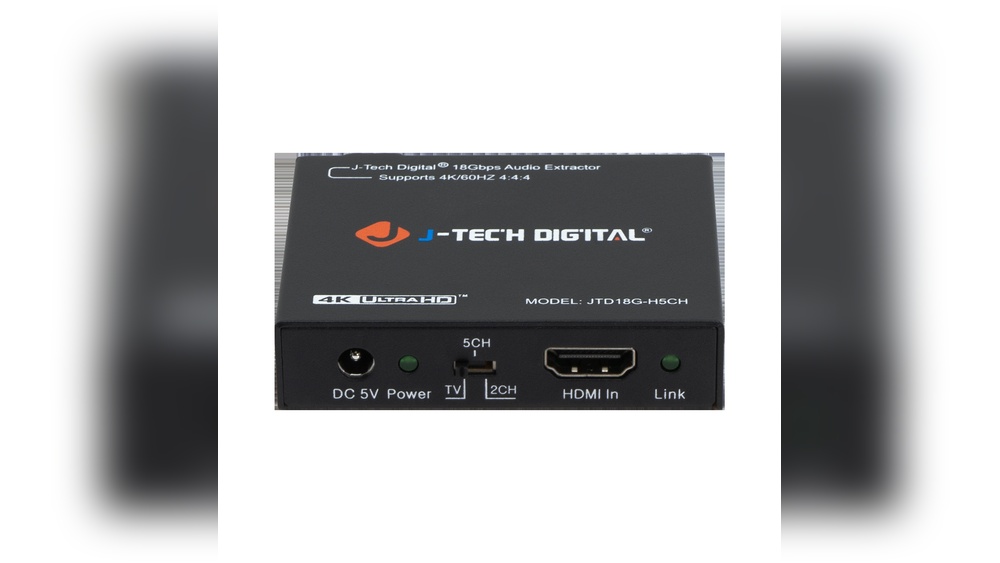
Are you confused about the difference between HDMI audio and digital optical connections? You’re not alone.
When setting up your home theater or sound system, choosing the right audio connection can feel overwhelming. But understanding how HDMI audio and digital optical work can make a huge difference in the sound quality you experience. You’ll discover which option suits your needs best and how to get the most out of your audio setup.
Keep reading, because the right choice could transform the way you enjoy movies, music, and games.
Hdmi Audio Basics
HDMI audio is a common way to send sound from one device to another. It carries audio and video signals through a single cable. This makes it simple and clean to connect devices like TVs, gaming consoles, and sound systems. Understanding how HDMI works helps you choose the right setup for your home entertainment.
Let’s explore the basics of HDMI audio and how it handles sound.
How Hdmi Transfers Sound
HDMI sends audio as digital data. This means the sound stays in its original form without losing quality. It uses high-speed signals to carry sound from the source to the output device. The cable supports multiple audio channels, allowing surround sound formats to work perfectly.
Supported Audio Formats
HDMI supports many audio formats. These include stereo sound, 5.1, and 7.1 surround sound. It also handles advanced formats like Dolby TrueHD and DTS-HD Master Audio. These formats offer clear and rich sound. The support for high-quality audio makes HDMI popular for home theaters.
Video And Audio Integration
One key benefit of HDMI is its ability to carry video and audio together. This removes the need for separate cables. It saves space and reduces cable clutter. The connection ensures audio and video stay in sync. This leads to a better viewing and listening experience.

Credit: www.amazon.com
Digital Optical Audio Basics
Digital optical audio is a popular method for transmitting sound. It uses light to carry audio signals. This method keeps sound clear and free from electrical noise. You often find optical audio in home theaters and soundbars. It connects devices like TVs, DVD players, and gaming consoles.
Understanding how digital optical audio works helps you choose the right audio connection. It also shows the type of sound quality you can expect.
How Optical Audio Works
Optical audio uses fiber optic cables. These cables carry light pulses representing audio data. The light travels through a thin glass or plastic fiber. A laser or LED sends the light signal. At the receiving end, a sensor converts light back to electrical audio signals.
This process reduces interference from other electronic devices. It ensures the sound stays clean and clear over longer distances.
Common Audio Formats
Optical audio supports many popular formats. It handles stereo sound and surround sound systems. Formats like Dolby Digital and DTS are common. These deliver multi-channel audio for a richer experience. The cable carries compressed audio to keep data size low. It suits most home audio setups and gaming systems.
Limitations And Strengths
Optical audio has clear strengths. It avoids electrical interference and signal loss. It works well for long cable runs. The cable is thin and flexible. Still, it has limits. It does not support high-definition audio formats like Dolby TrueHD. It also can’t carry video signals. For these, HDMI might be better. Optical audio remains a reliable and simple choice for good sound.
Audio Quality Comparison
Audio quality matters a lot when choosing between HDMI audio and digital optical cables. Both carry sound signals but differ in how they deliver sound. Understanding these differences helps pick the right cable for your setup. This section compares their sound quality in clear points.
Sound Fidelity And Clarity
HDMI supports uncompressed audio formats, keeping sound pure and clear. It can carry high-resolution audio like Dolby TrueHD and DTS-HD Master Audio. Digital optical cables send compressed audio, which may lose some details. The result is slightly less clear sound than HDMI. For critical listening, HDMI often provides better fidelity.
Channel Support And Surround Sound
HDMI handles multiple audio channels easily, supporting up to 8 channels or more. It works well with modern surround sound systems like 7.1 or Atmos. Optical cables usually support up to 5.1 channels but cannot handle newer formats. This limits the richness of sound in a home theater. HDMI is a better choice for full surround sound experience.
Latency And Signal Interference
HDMI cables tend to have lower latency, making audio sync smoother with video. Digital optical cables use light signals, which resist electrical interference well. This reduces noise but may introduce slight delays. Both cables offer good performance, but HDMI usually has an edge for fast, clear audio transmission without delay.

Credit: www.amazon.com
Compatibility And Setup
Understanding compatibility and setup helps you choose the right audio connection. Both HDMI and digital optical cables carry audio signals but work differently. Knowing device support, cable length, and installation ease makes setup smoother.
Device Support For Hdmi And Optical
Most modern TVs, soundbars, and gaming consoles support HDMI. HDMI carries both audio and video signals in one cable. Digital optical ports appear on older devices and some newer ones. Optical only sends audio, so video needs a separate cable. Check your device ports before buying cables.
Cable Length And Durability
HDMI cables usually work well up to 50 feet. Longer cables may lose signal quality. Optical cables can run longer, sometimes over 100 feet, without signal loss. Optical cables use plastic or glass fibers inside, making them fragile. HDMI cables are thicker and more durable for daily use.
Ease Of Installation
HDMI cables plug in easily with a simple rectangular connector. One cable handles audio and video, reducing clutter. Optical cables have a small, square connector that fits only one way. They need careful handling to avoid damaging the fiber inside. Both cables are simple to connect but HDMI is more user-friendly.
Use Cases For Each Connection
Choosing between HDMI audio and digital optical depends on the devices you use. Each connection type fits different setups and needs. Understanding where each excels helps you pick the best option for your system. Let’s explore common use cases for both connections.
Home Theater Systems
HDMI is often best for home theaters. It carries both audio and video signals together. This means fewer cables and easier setup. HDMI supports high-quality sound formats like Dolby TrueHD and DTS-HD Master Audio. These formats enhance surround sound experience. Digital optical works well too but has limits. It does not support the latest high-definition audio formats. Optical is good for older systems without HDMI inputs.
Gaming Consoles And Pcs
HDMI is the preferred choice for gaming consoles and PCs. It delivers both clear video and audio through one cable. This reduces clutter around your setup. HDMI supports 5.1 and 7.1 surround sound for immersive gaming. Optical audio can still work for sound only. It may be used if your device has no HDMI audio output. But optical can limit audio quality in fast-paced games.
Streaming Devices And Tvs
Streaming devices and modern TVs usually support HDMI audio. It allows direct connection for both sound and picture. This makes streaming simple and clean. Digital optical is useful for TVs with limited HDMI ports. It sends good quality audio to soundbars or receivers. Optical is also handy for older streaming devices without HDMI audio output.
Cost And Availability
Choosing between HDMI audio and digital optical depends on cost and availability. These factors affect your budget and setup options. Understanding prices and equipment needs helps you pick the right connection. Also, thinking about future upgrades saves money later.
Cable Prices And Options
HDMI cables usually cost more than digital optical ones. Basic HDMI cables start around $5 to $10. Optical cables often cost less, starting near $3. Both types come in various lengths and qualities. You can find affordable options in most electronics stores. Quality matters for longer cables to avoid signal loss.
Equipment Requirements
HDMI needs devices with HDMI ports. Most TVs, soundbars, and receivers have them today. Optical cables require TOSLINK ports. These appear on many older audio devices and some new ones. Some devices have both, making switching easy. Check your gear before buying cables.
Future-proofing Your Setup
HDMI supports higher audio formats and video signals. This makes it better for future devices. Optical cables focus on audio only and do not carry video. If you plan to upgrade your system, HDMI offers more flexibility. Optical may suit simple audio setups well.
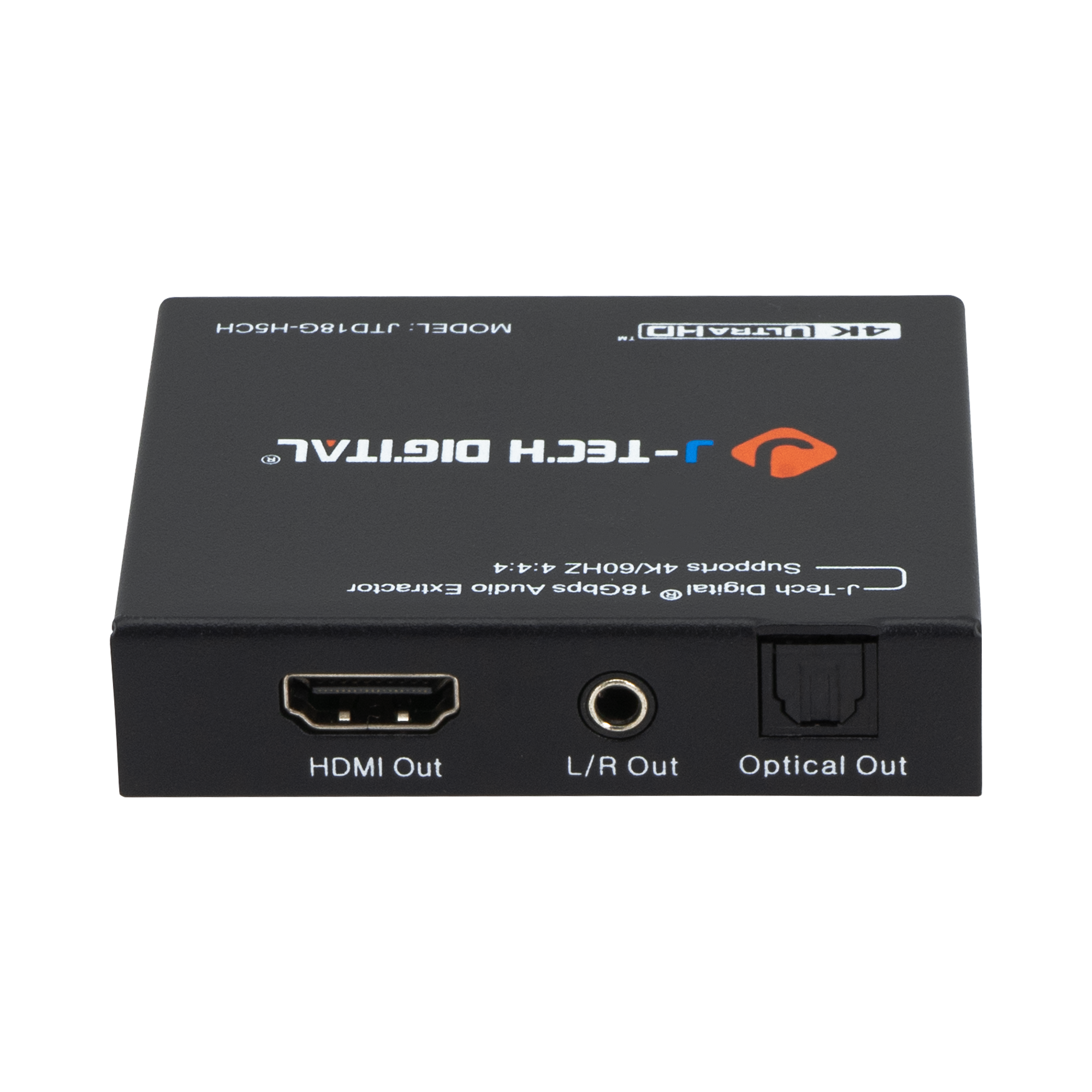
Credit: www.jtechdigital.com
Frequently Asked Questions
What Are The Main Differences Between Hdmi Audio And Digital Optical?
HDMI carries both audio and video signals, while digital optical only carries audio. HDMI supports higher audio quality and more channels. Optical is simpler but limited to audio only.
Can Digital Optical Support Surround Sound Like Hdmi?
Yes, digital optical supports surround sound but only up to 5. 1 channels. HDMI can handle more channels and better formats like Dolby Atmos. Optical is good for basic surround sound needs.
Which Is Better For Gaming: Hdmi Audio Or Digital Optical?
HDMI is better for gaming because it carries both sound and video. It also supports high-quality audio and low delay. Optical works but may miss some advanced sound features.
Is Digital Optical Compatible With All Sound Systems?
Most modern sound systems have digital optical inputs. It works well with older and some budget devices. HDMI is more common on newer, high-end systems.
Does Hdmi Audio Provide Better Sound Quality Than Digital Optical?
HDMI can deliver better sound quality with support for high-definition audio formats. Optical audio is limited to standard formats like Dolby Digital. For rich, clear sound, HDMI is preferred.
Conclusion
Choosing between HDMI audio and digital optical depends on your needs. HDMI carries both sound and video in one cable. Digital optical sends only sound but has less interference. HDMI supports more advanced sound formats. Optical works well with older devices.
Both options provide clear audio quality. Think about your setup and device compatibility. Either way, you get great sound for movies and music. Simple and effective.