
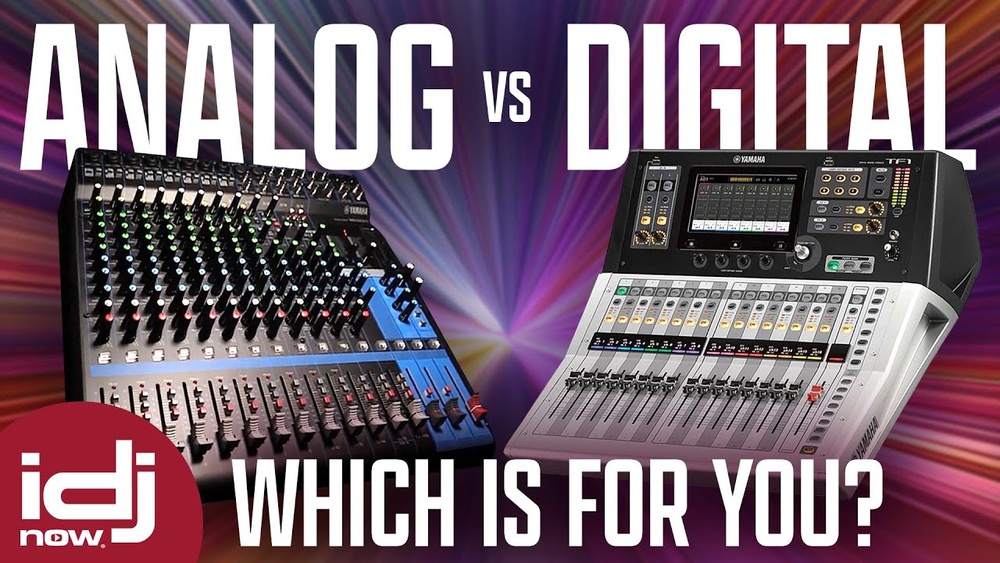
Are you trying to decide between an analog mixer and a digital mixer for your audio setup? Choosing the right mixer can make a huge difference in the sound quality and ease of use.
You might feel overwhelmed by all the technical terms and options out there. But don’t worry—this guide will help you understand the key differences in a simple way. By the end, you’ll know exactly which mixer fits your needs and how it can improve your music or recording experience.
Keep reading to make the best choice for your sound.
Analog Mixer Basics
Analog mixers have been a key tool in audio production for decades. They work by combining multiple audio signals into one or more outputs. Their design is straightforward, making them popular for live sound and studio use. Understanding the basics helps to see why many still choose analog mixers over digital ones.
Core Components
Analog mixers have several important parts. Each input channel includes a preamp to boost the signal. Equalizers adjust the tone by cutting or boosting frequencies. Faders control the volume of each channel. Pan knobs move sound between left and right speakers. Lastly, auxiliary sends allow effects or monitors to be added.
Signal Flow
Signal flow in an analog mixer is simple and linear. Audio enters through inputs, passes through preamps and EQ, then moves to the faders. From there, the sound mixes in the main bus and outputs to speakers or recording devices. This clear path lets users hear changes immediately without delay.
Typical Use Cases
Analog mixers suit live performances and small studios best. Musicians like their tactile controls during concerts. Podcasters use them for easy sound adjustments on the fly. They are also common in radio stations. Their reliability and simple operation make them a favorite choice for many audio tasks.

Credit: www.theproductionacademy.com
Digital Mixer Fundamentals
Digital mixers convert sound into digital signals for processing. They offer precise control over audio with less noise. These mixers store settings, making setups repeatable and fast.
They use software to manage sound, unlike analog mixers that use physical circuits. Digital mixers often include effects and equalizers inside the unit. This feature reduces the need for extra equipment.
Key Features
Digital mixers have many built-in tools. You can save and recall scenes easily. They provide strong noise reduction for clean sound. Many models include touchscreen displays for quick edits. They support multiple input and output channels. USB and network connectivity allow for remote control and recording.
User Interface
The user interface is usually a touchscreen or computer software. It shows all settings clearly on one screen. Sliders and knobs can be virtual or physical. Menus are easy to navigate with clear labels. Visual feedback helps users understand sound changes quickly. Some mixers offer customizable layouts for personal preferences.
Common Applications
Digital mixers suit live concerts, studios, and broadcast settings. They work well in places needing fast setup changes. Churches and schools use them for flexibility and ease. Recording engineers prefer digital mixers for editing and mixing tracks. They fit small venues and large events alike. Their compact size makes transport easier for touring bands.
Sound Quality Differences
Sound quality is a key factor in choosing between an analog mixer and a digital mixer. Both types offer unique audio experiences. These differences come from how each mixer processes sound. Understanding these aspects helps you pick the best option for your needs.
Warmth And Character
Analog mixers add a natural warmth to the sound. They use physical components like tubes and transformers. These parts give audio a rich, full feel. Digital mixers produce cleaner sound but can feel colder. Some users find digital sound less natural. Analog’s warmth suits music styles that need a vintage touch.
Noise And Clarity
Digital mixers provide very low noise levels. They use precise digital processing to keep sound clear. Analog mixers can introduce slight noise or hum. This happens because of their electronic parts. Yet, some prefer analog’s subtle noise for its charm. Clarity depends on the mixer’s quality and setup.
Dynamic Range
Dynamic range means the difference between the loudest and quietest sound. Digital mixers usually offer a wider dynamic range. They can handle extreme volume changes without distortion. Analog mixers have a more limited dynamic range. But they can compress sound naturally, adding warmth. The choice depends on the type of sound you want.
Flexibility And Control
Flexibility and control are key factors in choosing between analog and digital mixers. These aspects affect how easily you shape your sound and manage your audio setup. Both mixer types offer unique ways to handle sound, but their approaches differ greatly. Understanding these differences helps in selecting the right tool for your needs.
Channel Processing
Analog mixers offer hands-on control with physical knobs and sliders. Each channel has dedicated controls for volume, EQ, and panning. This allows quick, tactile adjustments during live performances.
Digital mixers process channels through software. They provide customizable channel settings and advanced routing options. Users can save presets and recall them instantly. This flexibility suits complex audio setups.
Effects Integration
Analog mixers often require external effects units. Users connect pedals or processors for reverb, delay, or compression. This setup can be simple but needs extra gear.
Digital mixers include built-in effects with many choices. Effects are easy to apply and adjust on each channel. This integration saves space and simplifies the workflow.
Automation Capabilities
Analog mixers lack automation features. Every change must be made manually in real time. This can be challenging during busy sessions.
Digital mixers support automation for volume, panning, and effects. Changes can be programmed and replayed exactly. This precision improves mixing consistency.
Connectivity Options
Connectivity options are crucial for both analog and digital mixers. They determine how easily you can connect your devices. Different mixers offer various input and output choices. These options affect your setup and workflow. Understanding these differences helps you choose the right mixer for your needs.
Input And Output Types
Analog mixers usually have XLR and 1/4-inch inputs. These allow connection of microphones and instruments. Outputs are often balanced XLR or 1/4-inch jacks. Digital mixers offer more variety. They may include USB, AES/EBU, or even Ethernet ports. This allows direct connection to computers or networks. Digital mixers often support multi-track recording through USB. Analog mixers focus on simple, straightforward connections.
Expansion Possibilities
Analog mixers have limited expansion options. You can add external effects or processors but must use extra cables. Digital mixers often allow easy expansion. You can add digital stage boxes through network cables. This increases the number of inputs and outputs without extra bulky gear. Some digital mixers support wireless control via apps. This adds flexibility during live shows or studio work.
Compatibility With Other Gear
Analog mixers work well with classic audio equipment. They connect easily to older microphones, amps, and effects. Digital mixers are compatible with modern digital devices. They support software integration for recording and mixing. Some digital mixers support popular control surfaces and plugins. This offers a seamless workflow in digital audio environments. Analog mixers may need adapters to connect with digital gear.
Credit: www.youtube.com
Portability And Size
Portability and size are important for choosing between an analog and digital mixer. Musicians and sound engineers often need gear that fits their space and moves easily. The size and weight of mixers affect how quickly setup and transport happen. This section compares analog and digital mixers in these areas.
Physical Footprint
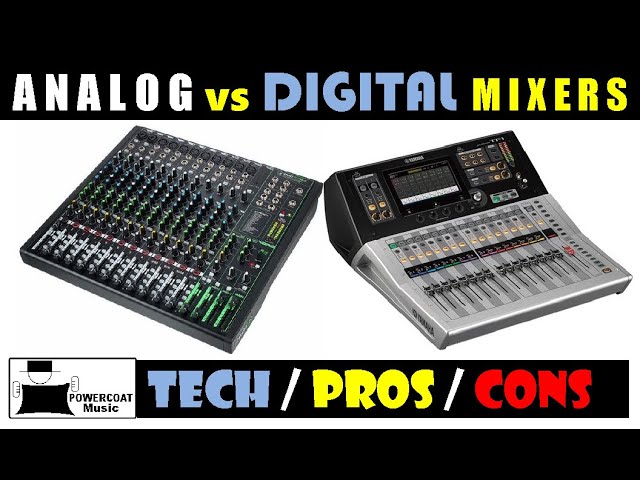
Analog mixers usually have a larger footprint. They need space for many knobs, faders, and inputs. Digital mixers tend to be more compact. They use digital screens and fewer physical controls. This reduces the space they take on a table or rack.
Weight Considerations
Analog mixers are often heavier. Their construction includes many metal parts and large circuit boards. Digital mixers use lighter materials and compact designs. This makes them easier to carry for long distances or travel.
Setup And Transport
Setting up analog mixers takes more time. More cables and connections are involved. Digital mixers often have simpler setups. Many settings can be saved and recalled instantly. Transporting digital mixers is less tiring due to smaller size and lighter weight.
Cost And Maintenance
Cost and maintenance play a big role in choosing between analog and digital mixers. Both types have different expenses at the start and over time. Knowing these differences helps you pick the right mixer for your budget and needs.
Initial Investment
Analog mixers usually cost less at first. They have simpler parts and fewer features. Digital mixers often need a bigger upfront payment. They include many built-in effects and digital controls. The price depends on the number of channels and features too.
Upkeep And Repairs
Analog mixers need more regular care. Their physical knobs and faders can wear out. Repairs can be needed if parts break or get dirty. Digital mixers require less physical maintenance. But software updates are important to keep them working well.
Long-term Value
Analog mixers can last for many years with good care. They keep working even if parts are old. Digital mixers may become outdated as new software comes out. Still, they offer more features and flexibility over time. Think about your future needs and budget.
User Experience
User experience plays a big role in choosing between analog and digital mixers. It affects how quickly users adapt and how smoothly they work during sessions. Both types offer unique experiences that suit different needs and skills.
Learning Curve
Analog mixers have a straightforward design with knobs and sliders. Beginners often find them easier to understand. You can see and touch everything directly. Digital mixers can seem complex at first. They have menus and screens that require more study. Users may need time to learn all the features.
Ease Of Use
Analog mixers allow quick adjustments without navigating screens. This makes them ideal for live settings. Digital mixers offer more tools but need button presses and menu changes. This can slow down fast work. Some digital mixers have touchscreens and presets that simplify tasks.
Customization
Digital mixers excel in customization. Users can save settings and recall them instantly. They can also add effects and route signals in many ways. Analog mixers offer limited customization. Changes happen manually and cannot be saved. This suits users who prefer a hands-on approach.
Choosing The Right Mixer
Choosing the right mixer is important for good sound control. The choice depends on your needs and where you will use it. Both analog and digital mixers have their strengths. Understanding your setup helps you pick the best option.
Studio Vs Live Settings
In a studio, precision and sound quality matter most. Analog mixers offer warm, natural sound. Digital mixers provide many effects and easy recall of settings. For live shows, quick changes and durability are key. Digital mixers are more flexible for live use. Analog mixers are simple and reliable on stage.
Budget Considerations
Analog mixers often cost less upfront. They suit small budgets and basic setups. Digital mixers have higher initial costs. They include extra features that save money later. Think about long-term use and upgrades too. Choose what fits your budget now and ahead.
Future-proofing Needs
Technology changes fast. Digital mixers often get software updates with new features. They connect easily with computers and other devices. Analog mixers do not update but last long with few parts. Consider how your needs may change. Pick a mixer that grows with your setup.

Credit: www.tecnare.com
Frequently Asked Questions
What Are The Main Differences Between Analog And Digital Mixers?
Analog mixers use physical knobs and circuits for sound control. Digital mixers use software and digital processing for sound adjustments. Each offers a unique way to manage audio signals.
Which Mixer Is Better For Live Sound Applications?
Analog mixers are simple and fast for live shows. Digital mixers offer more features but need time to learn. Choice depends on your event needs and skill level.
How Does Sound Quality Compare In Analog Vs Digital Mixers?
Analog mixers give warm, natural sound due to physical circuits. Digital mixers provide clear, precise sound with less noise. Preferences vary depending on music style and use.
Can Digital Mixers Save And Recall Settings Easily?
Yes, digital mixers store user settings for quick recall. Analog mixers require manual reset for each session. This feature helps save time and keeps sound consistent.
Are Analog Mixers Easier To Use For Beginners?
Analog mixers have straightforward controls, making them beginner-friendly. Digital mixers may overwhelm new users with many options. Learning curve is steeper for digital mixers.
What About The Cost Difference Between Analog And Digital Mixers?
Analog mixers usually cost less upfront but lack advanced features. Digital mixers can be pricier but offer more flexibility and effects. Budget and needs guide the best choice.
Do Digital Mixers Need More Maintenance Than Analog Mixers?
Digital mixers require software updates and occasional troubleshooting. Analog mixers have simpler hardware but can wear out over time. Maintenance depends on usage and environment.
Conclusion
Choosing between an analog mixer and a digital mixer depends on your needs. Analog mixers offer simple controls and warm sound. Digital mixers provide more features and flexibility. Both types have strengths and weaknesses. Think about your budget, space, and skill level.
Testing each mixer can help you decide. The right mixer makes your sound better and your work easier. Choose wisely to enjoy your music or recordings.