
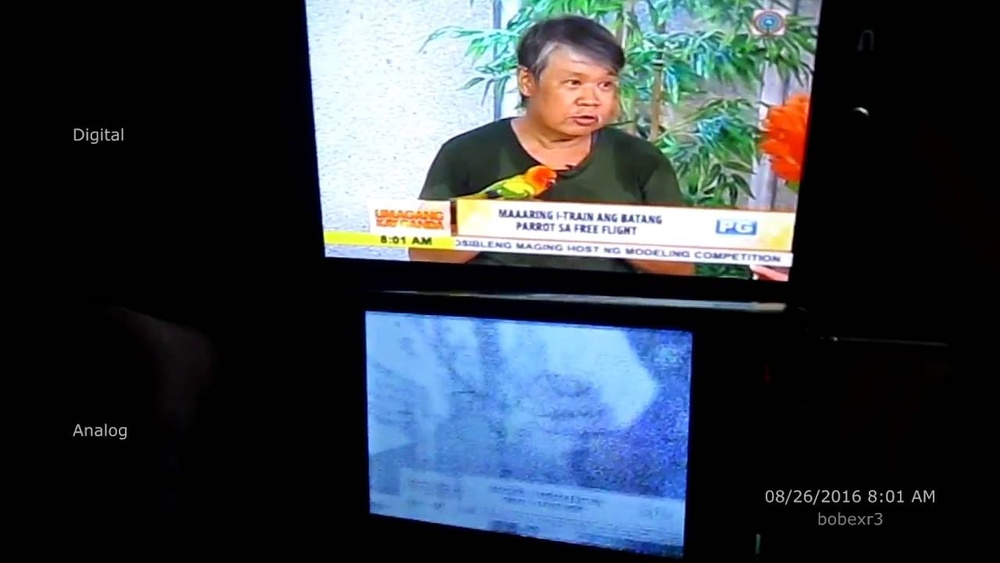
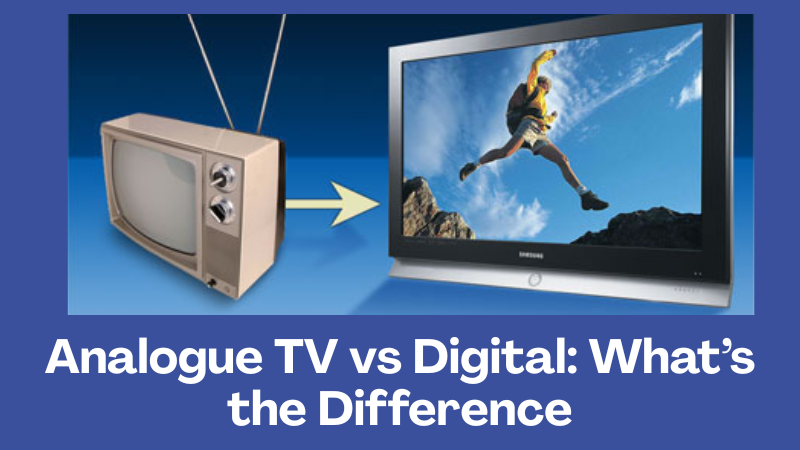
Are you still watching TV the old-fashioned way, or have you made the switch to digital? Understanding the difference between digital and analogue TV can completely change your viewing experience.
You might think all TVs are the same, but the truth is, how your TV delivers images and sound affects everything—from picture quality to the channels you can access. You’ll discover the key differences that impact what you see on your screen.
By the end, you’ll know exactly which type suits your needs and how to get the most out of your TV time. Ready to find out what’s really behind the screen? Keep reading.
Digital Tv Basics
Digital TV has changed the way we watch television. It uses signals that carry data differently than older systems. Understanding the basics helps you see why it matters.
This section explains how digital TV works, the types available, and its key benefits.
How Digital Signals Work
Digital TV sends information as binary code, using 0s and 1s. These signals carry pictures, sound, and data more clearly. The digital signals travel through air, cable, or satellite.
The TV then decodes these signals into images and sound you see on screen. This process reduces interference and improves quality.
Types Of Digital Tv
There are several kinds of digital TV. The main types include cable, satellite, and over-the-air broadcasts. Each type uses different technology to deliver signals.
Cable TV sends digital signals through wires directly to your home. Satellite TV beams signals from satellites in space. Over-the-air digital TV uses local broadcast towers to send signals.
Benefits Of Digital Broadcasting
Digital TV provides sharper images and clearer sound than analogue. It also offers more channels and extra features like electronic guides.
The signal is more stable, reducing static or snow on the screen. Digital broadcasting uses less bandwidth, which helps deliver more content efficiently.
Credit: www.lripl.com
Analogue Tv Fundamentals
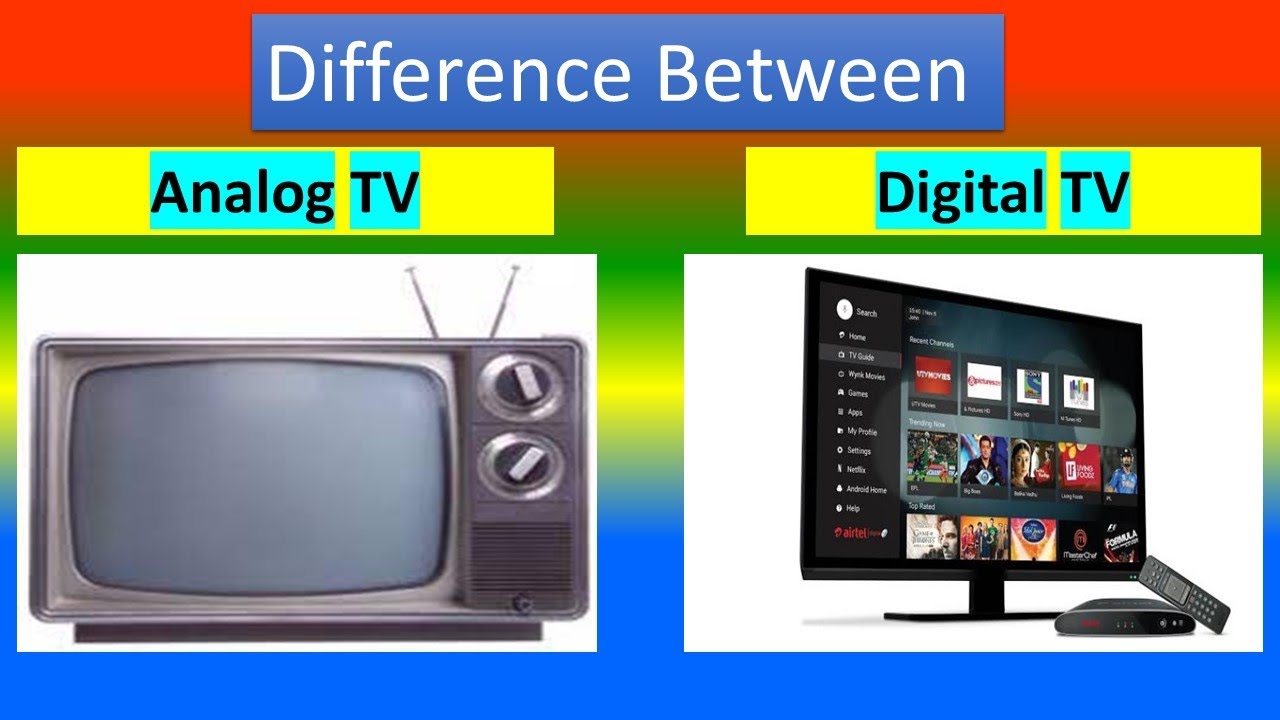
Analogue TV was the first way people watched television at home. It uses continuous signals to send pictures and sounds. This system changed how people shared news and entertainment worldwide.
Understanding analogue TV basics helps explain how older TVs worked. It also shows why digital TV replaced it over time.
How Analogue Signals Function
Analogue TV sends signals as waves. These waves carry pictures and sounds in a continuous flow. The TV converts these waves into images and audio you can see and hear.
The signal strength can change over distance. This change can cause fuzziness or static on the screen. That is why the picture may look unclear sometimes.
Common Analogue Formats
There are several formats for analogue TV. NTSC, PAL, and SECAM are the main types. Each format works in different regions around the world.
NTSC is common in North America and parts of Asia. PAL is used mostly in Europe and Australia. SECAM appears in France and some parts of Africa.
Limitations Of Analogue Tv
Analogue TV has limits in picture and sound quality. The image can be blurry or flicker. Sound may also have static or noise.
It cannot carry as much information as digital TV. This limits the number of channels and features. Interference from weather or obstacles can disrupt the signal.
Picture And Sound Quality
Picture and sound quality are the heart of any TV experience. They shape how you enjoy shows, movies, and sports. Digital and analogue TV deliver these qualities very differently. Understanding these differences helps you know what to expect from each type.
Resolution Differences
Analogue TV shows images with lower resolution. The picture can appear blurry or fuzzy. Digital TV offers higher resolution images. It delivers clear and sharp visuals. Details stand out better on digital screens. This difference is very clear on larger TVs.
Audio Clarity And Options
Analogue TV sound often has static and noise. Audio may sound muffled or unclear. Digital TV provides clear and crisp sound. It supports multiple audio channels and surround sound. This adds depth and richness to the audio experience. Digital sound feels more natural and immersive.
Impact On Viewing Experience
Clear images and sound make watching more enjoyable. Digital TV reduces interference and signal loss. This means fewer interruptions during your show. The vivid picture and rich sound keep you engaged longer. Analogue TV can sometimes cause eye strain or fatigue. Digital technology supports a more comfortable and fun viewing time.
Credit: www.youtube.com
Equipment And Compatibility
Equipment and compatibility play a big role in choosing between digital and analogue TV. Different devices are needed to receive and display each signal type. Knowing the gear helps avoid problems and ensures smooth viewing.
Older TVs may not work with new broadcasts without extra tools. Newer sets often come ready for digital signals. Understanding these differences saves time and money.
Digital Tv Tuners And Receivers
Digital TVs use special tuners to decode signals. These tuners convert digital data into images and sound. Most modern TVs have built-in digital tuners. External digital receivers or set-top boxes can also be used. These boxes connect to older TVs to provide digital signal access. Digital tuners support higher quality video and audio. They also allow access to more channels.
Analogue Tv Devices
Analogue TVs use older tuners that process continuous signals. These devices receive signals in waves, not digital codes. Analogue sets are less common today and often lack features. They cannot display high-definition content. Many broadcasters have stopped analogue transmissions. Analogue devices usually need a digital converter box for current broadcasts.
Compatibility With Modern Technology
Digital TV equipment works well with modern devices. They connect easily to smart TVs, computers, and streaming boxes. Digital signals support features like subtitles and interactive menus. Analogue equipment struggles with new tech. It lacks the ability to connect to internet-based services. Compatibility issues limit analogue TVs in today’s market. Choosing digital equipment ensures better future use.
Signal Reception And Coverage
Signal reception and coverage play a big role in choosing between digital and analogue TV. Both types deliver TV signals differently, affecting how well you can watch your favorite shows. Understanding these differences helps you pick the best option for your home.
Range And Signal Strength
Analogue TV signals travel over longer distances without losing much quality. This means you can get a clear picture even far from the broadcast tower. Digital TV signals need stronger signals to work well. If the signal is weak, the picture can freeze or disappear. Digital signals use error correction to fix some problems but still need good strength.
Interference And Signal Loss
Analogue signals suffer from static and ghosting when interference happens. This makes the picture blurry but still watchable. Digital signals either work perfectly or not at all. Interference causes digital TV to lose the signal completely or show a frozen picture. Digital signals are less affected by small interference but fail with bigger problems.
Urban Vs Rural Reception
In cities, digital TV works well because towers are close. Buildings can block signals but many options exist to improve reception. Rural areas often get better analogue signals due to their longer range. Digital signals in rural zones may be spotty. You might need a bigger antenna or a signal booster to watch digital TV far from towers.
Cost Considerations
Cost plays a big role when choosing between digital and analogue TV. Understanding the different expenses helps you plan your budget better. Both options have unique costs tied to setup, maintenance, and service fees.
Initial Setup Expenses
Analogue TVs often need only a basic antenna to start. This keeps initial costs low. Digital TVs require a digital tuner or a set-top box. Sometimes, you must upgrade your antenna for better reception. Digital setups can cost more upfront but offer clearer picture quality.
Maintenance And Upgrades
Analogue TVs usually need fewer upgrades over time. Their technology is simpler and older. Digital TVs may need regular software updates or hardware upgrades. These keep the TV compatible with new channels and features. Maintenance costs for digital TVs can add up over the years.
Subscription And Service Fees
Analogue TV often works without monthly fees. It relies on free-to-air broadcasts. Digital TV may require subscriptions for premium channels or streaming services. These fees vary depending on the provider. Digital TV offers more content but can mean ongoing costs.
Content Availability And Features
Content availability and features differ greatly between digital and analogue TV. These differences impact what viewers can watch and how they interact with TV services.
Digital TV offers a wide range of options and functions. Analogue TV stays more basic and limited. This section explains key differences in channel variety, interactive services, and on-demand options.
Channel Variety
Digital TV provides many more channels than analogue TV. You get access to local, national, and international stations easily. The channels often include high-definition (HD) broadcasts. Analogue TV usually offers fewer channels with lower picture quality. The digital signal carries more data, allowing extra channels without signal loss.
Interactive Services
Digital TV supports interactive services that let viewers engage with content. You can access program guides, vote in polls, or get extra information about shows. Some digital TVs allow features like pausing live TV or recording programs. Analogue TV lacks these interactive options. It delivers a simple, one-way broadcast with no viewer control.
On-demand And Streaming Options
Digital TV often includes on-demand libraries and streaming app access. This lets viewers watch shows and movies anytime they want. Many digital platforms offer catch-up TV for missed episodes. Analogue TV does not support on-demand or streaming. You must watch shows only as they broadcast live.
Credit: blog.imon.net
Future Trends And Developments
The world of television keeps evolving. New technologies change how we watch shows and movies. Digital TV has brought many changes, and more are on the way. Analogue TV is slowly fading, making room for newer tech. This section explores what the future holds for both types of TV.
Digital Tv Innovations
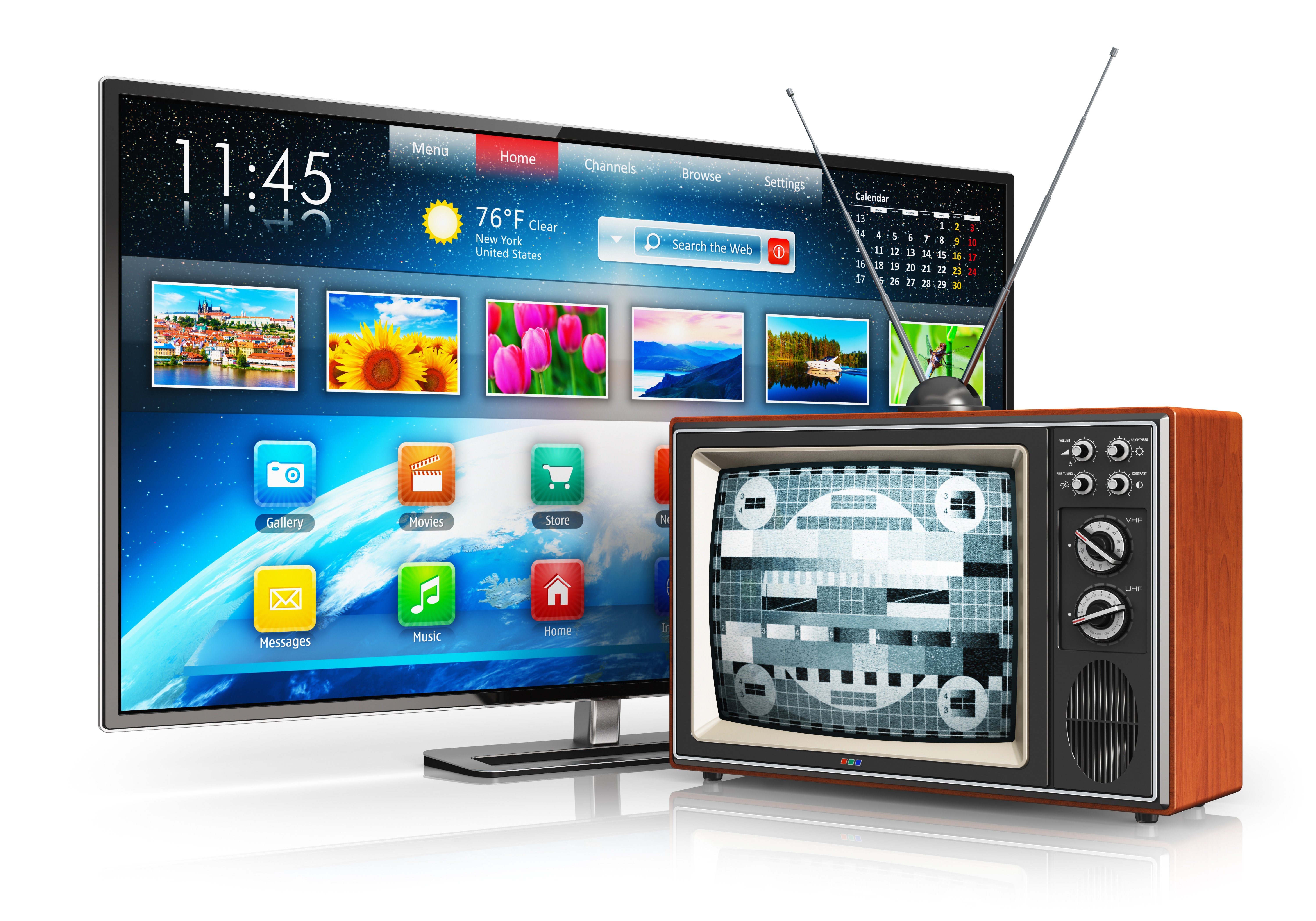
Digital TV continues to improve picture and sound quality. Ultra-high-definition (UHD) and 4K are becoming common in homes. Smart TVs connect to the internet, offering apps and streaming. Interactive features let viewers choose camera angles or pause live events. Artificial intelligence helps personalize content recommendations. These innovations make watching TV more fun and easy.
Decline Of Analogue Broadcasting
Many countries have stopped analogue TV signals. It uses more bandwidth and offers lower quality than digital. Broadcasters prefer digital for better service and more channels. Older TVs need converters to receive digital signals. Analogue’s end means fewer limits on programming and clearer images. The shift benefits viewers and broadcasters alike.
Emerging Technologies
Virtual reality (VR) and augmented reality (AR) may change TV watching. They offer immersive experiences beyond traditional screens. 5G networks support faster streaming and less buffering. Cloud-based services store shows online for easy access. These technologies create new ways to enjoy content anytime. The future of TV looks interactive and highly accessible.
Frequently Asked Questions
What Is The Main Difference Between Digital And Analogue Tv?
Digital TV sends signals as data, while analogue TV uses continuous signals. Digital provides clearer pictures and sound. Analogue can have fuzzier images and noise.
Why Is Digital Tv Better Than Analogue Tv?
Digital TV offers better picture and sound quality. It supports more channels and interactive features. Analogue TV is limited and can have signal problems.
Can I Watch Digital Tv On An Analogue Tv Set?
No, analogue TVs cannot decode digital signals directly. You need a digital converter box to watch digital channels on analogue TVs.
Does Digital Tv Use More Internet Data Than Analogue Tv?
No, digital TV does not use internet data unless streaming online. Traditional digital TV uses broadcast signals, not internet data.
Is Analogue Tv Still Available In The United States?
Most US areas stopped analogue TV broadcasts in 2009. Digital TV replaced analogue for better quality and more channels. Some special services may still use analogue signals.
Conclusion
Digital TV offers clearer pictures and more channels than analogue. Analogue TV uses older technology and has lower picture quality. Digital signals are less likely to have interference or noise. Analogue signals may sometimes lose quality or break up. Choosing digital or analogue depends on your needs and equipment.
Most places now support digital TV for better viewing. Think about signal quality, channel options, and device compatibility. Digital TV suits modern homes and tech users best. Analogue may still work for simple setups or older TVs. Both have pros and cons worth considering carefully.