
Have you ever wondered why some music feels warmer and more natural, while other tracks sound sharper and more precise? The secret lies in the way sound is created and captured.
When you dive into the world of audio, you’ll come across two main types: analog sound and digital sound. Understanding the differences between them can change how you experience music, movies, and even your favorite podcasts. By the end of this article, you’ll know which sound type suits your ears best—and why it matters for your listening pleasure.
Ready to discover the real story behind analog and digital sound? Let’s get started.

Credit: routenote.com
Analog Sound Basics
Analog sound is the original way we capture and hear audio. It uses continuous signals to reproduce sound waves. This creates a natural and warm listening experience. Understanding analog sound basics helps to appreciate its unique qualities.
Many audio enthusiasts prefer analog for its richness. The technology dates back over a century. It forms the foundation of sound recording and playback.
How Analog Sound Works
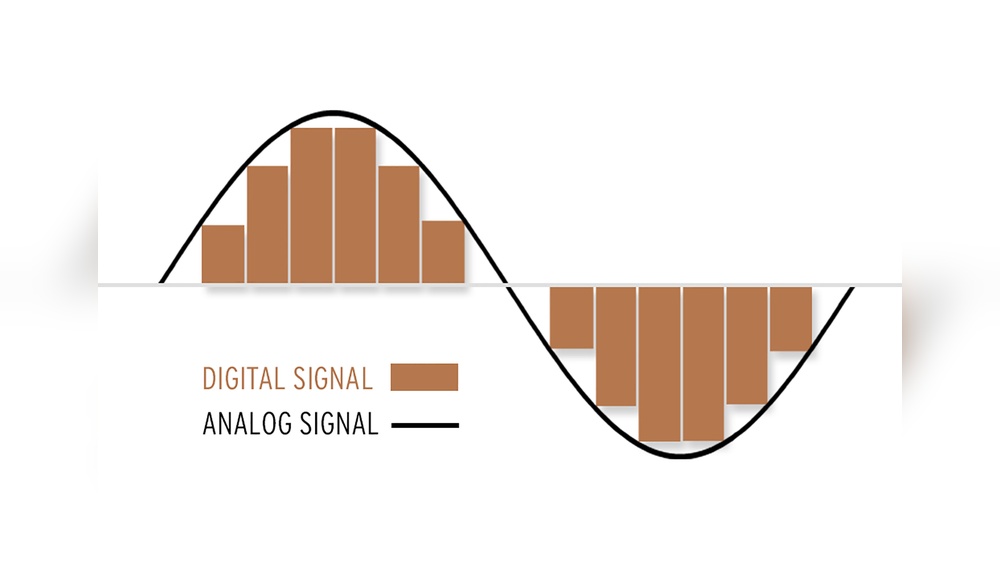
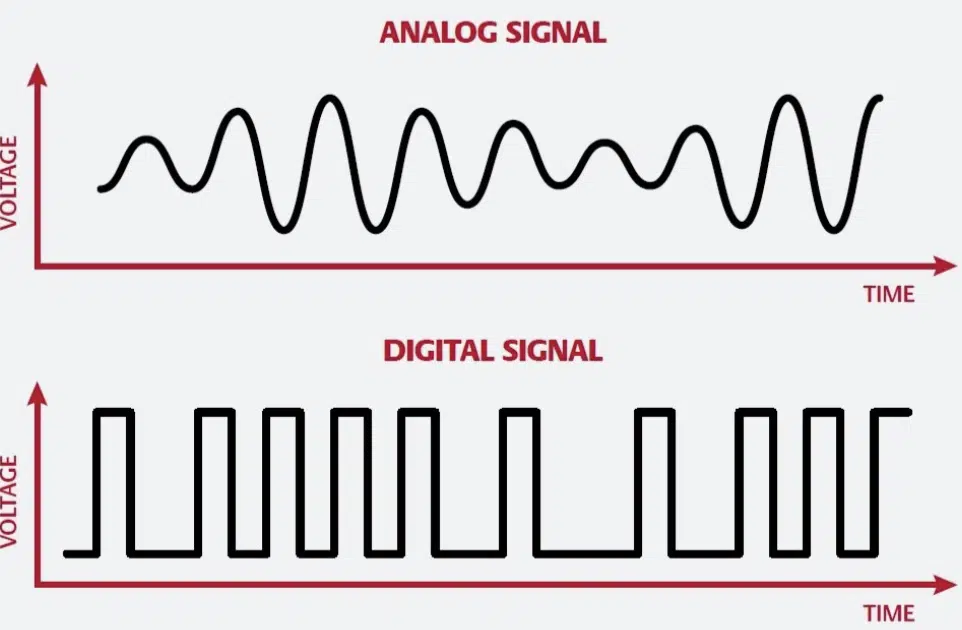
Analog sound captures sound waves as continuous electrical signals. These signals vary smoothly over time. They represent the exact shape of the original sound wave.
Microphones convert sound waves into electrical signals. These signals then move through wires or tapes. Speakers change the signals back into sound waves we hear.
Common Analog Devices
Common analog devices include vinyl record players and cassette tapes. Turntables use a needle to read grooves on vinyl records. Cassette players use magnetic tape to store audio signals.
Older radios and tape recorders also rely on analog technology. These devices are known for their simple, direct sound process.
Advantages Of Analog Audio
Analog audio offers a warm, full sound quality. It captures subtle details that digital may miss. Many listeners find analog sound more natural and pleasant.
There is no digital conversion, so sound stays pure. Analog also avoids the harshness sometimes heard in digital audio. It provides a smooth listening experience without sharp edges.

Credit: saloonstudioslive.com
Digital Sound Fundamentals
Digital sound is a way to store and play audio using numbers. It changes sound waves into tiny pieces of data. These pieces can be saved, copied, and shared easily. Digital sound is everywhere—from music players to smartphones.
This section explains how digital sound works and why it is popular. It also covers common digital audio formats and the benefits of digital audio.
How Digital Sound Is Created
Digital sound starts with recording real sounds. A microphone captures sound waves and turns them into electrical signals. An analog-to-digital converter (ADC) changes these signals into numbers.
These numbers represent the sound’s loudness at many points in time. This process is called sampling. The more samples taken each second, the clearer the sound.
The numbers are stored as digital data. This data can be edited, saved, or sent over the internet. When played back, the digital data is converted back to sound.
Popular Digital Audio Formats
Digital sound can be stored in many formats. Some are designed for high quality, others for small file size. Common formats include MP3, WAV, and AAC.
MP3 is popular because it makes files smaller without losing much sound quality. WAV files keep all sound details but take more space. AAC is used by many streaming services for good quality and small files.
Choosing a format depends on the purpose. For example, WAV is good for editing, while MP3 is best for sharing.
Benefits Of Digital Audio
Digital audio is easy to copy without losing quality. It does not wear out like tapes or records. Files can be stored on many devices and shared worldwide.
It allows for quick editing and mixing of sounds. Digital sound works well with computers and modern technology. It also supports many users at once, like in streaming music.
Overall, digital sound offers convenience, flexibility, and consistent quality.
Sound Quality Comparison
Sound quality is a key factor in choosing between analog and digital audio. Both offer unique experiences. Understanding their differences helps you pick the right sound for your needs.
This section compares the warmth, clarity, and noise levels of analog and digital sound.
Warmth And Depth In Analog
Analog sound often feels warm and rich. It captures subtle nuances and natural tones. This warmth comes from how analog records sound waves continuously. Listeners may notice a full, smooth texture in music. This depth creates an emotional connection to the audio.
Clarity And Precision In Digital
Digital sound offers clear and precise audio. It translates sound into exact numbers, reducing errors. Digital files reproduce music as it was recorded. This precision helps in hearing every detail. High-quality digital audio can sound clean and sharp.
Noise And Distortion Levels
Analog sound may have background noise and slight distortion. Tape hiss or vinyl crackles are common. These elements add character but can distract. Digital audio usually has less noise and distortion. It produces a cleaner listening experience. Yet, some find digital sound less natural.
Recording And Playback
Recording and playback form the core of sound capture and reproduction. They shape how we experience music, podcasts, and all audio forms. The way sound is recorded and played back differs between analog and digital systems. Each method offers distinct qualities and challenges.
Analog Recording Techniques
Analog recording captures sound as continuous waves. Devices like tape recorders and vinyl cutters store these waves on physical media. The process captures every nuance of the original sound. Tape saturation adds warmth and slight distortion. It creates a natural, rich sound favored by many artists. Analog recording requires careful handling to avoid noise and degradation.
Digital Recording Methods
Digital recording converts sound into numbers called bits. It samples sound waves many times per second. These samples get stored as digital files on hard drives or memory cards. Digital methods allow easy editing and copying without quality loss. They provide cleaner sound with less noise. Digital files can be compressed to save space. The process offers consistency and flexibility for producers.
Playback Equipment Differences
Analog playback uses devices like turntables and tape decks. These machines read physical grooves or magnetic tape to recreate sound. They often add subtle warmth to the audio. Digital playback uses CD players, computers, or smartphones. These devices decode digital files into sound waves. Digital playback tends to be clearer and more precise. Quality depends on the digital-to-analog converter used. Both playback types offer unique listening experiences.
Storage And Durability
Storage and durability play key roles in how sound recordings last over time. Different formats affect how long audio can be kept without losing quality. Understanding these factors helps in choosing the best way to save and preserve sound.
Analog Media Lifespan
Analog media includes vinyl records, tapes, and cassettes. These physical items can last for decades if stored properly. Dust, heat, and humidity cause damage and degrade sound quality. Over time, analog media wears out from repeated use. Scratches and tape hiss reduce the listening experience.
Digital File Longevity
Digital files store sound as data on hard drives, CDs, or cloud servers. These files do not lose quality no matter how often played. Digital formats can be copied and backed up easily. However, digital storage devices can fail or become outdated. Regular backups and format updates keep digital files safe.
Impact On Audio Preservation
Analog sound captures a warm, natural feel but needs careful handling. Digital sound offers clear, consistent quality and easier preservation. For long-term storage, digital files provide more security. Archiving important recordings often combines both methods for best results.
Credit: unison.audio
Cost And Accessibility
Cost and accessibility play a big role in choosing between analog and digital sound. Both options offer unique experiences, but their price and availability vary a lot. Understanding these differences helps many people decide what suits their needs and budget.
Price Of Analog Gear
Analog equipment often costs more than digital tools. Vintage record players, tape machines, and analog synthesizers require high-quality parts. These parts are expensive to make and maintain. Repairs and upgrades add to the cost. Many analog devices are rare or handmade, which raises prices further. The price can be a barrier for beginners or casual users.
Digital Audio Affordability
Digital audio tools are usually cheaper and easier to find. Software programs and apps provide many features at a low price. Computers and mobile devices can run these programs without extra gear. Digital tools often include free updates and support. This makes digital sound a budget-friendly option for many people. It opens the door to music and sound creation for all skill levels.
Availability For Consumers
Analog devices are less common in stores and online. Their limited production means fewer options for buyers. Digital sound tools are widely available worldwide. Online marketplaces, app stores, and electronics shops carry many choices. Easy access to digital tools helps users start quickly. Consumers can try many products before buying. This availability supports learning and experimentation with sound.
User Experience And Preferences
User experience and preferences shape how people enjoy sound. Both analog and digital sound have unique qualities that affect listening. People’s choices depend on habits, opinions, and trends in audio use.
Listening Habits
Many listeners prefer analog for its warm, natural tone. Vinyl records and cassette tapes offer a tactile, hands-on experience. Digital sound suits those who value convenience and clarity. Streaming music or using MP3s fits busy lifestyles. People choose based on daily routines and device access.
Audiophile Opinions
Audiophiles often praise analog for its depth and richness. They argue vinyl captures more detail and emotion. Some find digital sound too clean or sterile. Others appreciate digital for its precision and lack of noise. Preferences vary widely among sound experts and enthusiasts.
Trends In Audio Consumption
Digital formats dominate modern listening habits. Streaming platforms grow fast and offer vast libraries. Vinyl sales have surged, showing a love for analog charm. Portable devices favor digital for ease and size. Trends reflect both nostalgia and technological progress.
Future Of Analog And Digital Sound
The future of analog and digital sound holds exciting possibilities. Both forms have unique strengths that will shape audio technology. Advances in technology continue to enhance sound quality and user experience. The audio world is evolving, blending tradition with innovation.
Technological Innovations
New technology improves sound clarity and depth. Digital sound benefits from better compression and higher resolution. Analog sound gains from improved materials and design. These innovations make listening richer and more natural. Sound devices become smaller and more efficient too.
Hybrid Audio Systems
Hybrid systems combine analog warmth with digital precision. They deliver the best of both worlds in one device. Musicians and audiophiles appreciate this blend for its flexibility. These systems adapt easily to different listening styles. Hybrid audio is becoming more popular for home and studio use.
Predictions For Audio Industry
The audio industry will see more integration of analog and digital tech. Streaming and vinyl sales both grow, showing diverse listener preferences. Smart devices will offer better sound customization. Audio gear will be more affordable and accessible. The future promises sound experiences that suit every listener.
Frequently Asked Questions
What Is The Main Difference Between Analog And Digital Sound?
Analog sound uses continuous waves to capture audio. Digital sound converts audio into numbers for storage and playback.
Which Sound Type Offers Better Audio Quality?
Analog sound provides warm and natural tones. Digital sound delivers clear and precise audio with less noise.
How Does Analog Sound Get Recorded?
Analog sound is recorded using tapes or vinyl that store continuous sound waves. This process captures sound in its natural form.
Is Digital Sound Easier To Edit And Share?
Digital sound is easier to edit, copy, and share. It can be processed quickly using computers and software.
Which Sound Format Lasts Longer Without Quality Loss?
Digital sound maintains quality over time without degradation. Analog sound can lose quality with each playback or copy.
Conclusion
Analog and digital sound each have clear strengths and uses. Analog offers warmth and depth that many enjoy. Digital provides clarity and ease of use. Choosing depends on your needs and preferences. Both types shape how we experience music today.
Understanding their differences helps you appreciate sound better. Keep exploring and find what suits your ears best. Sound is a personal journey, not just technology.