
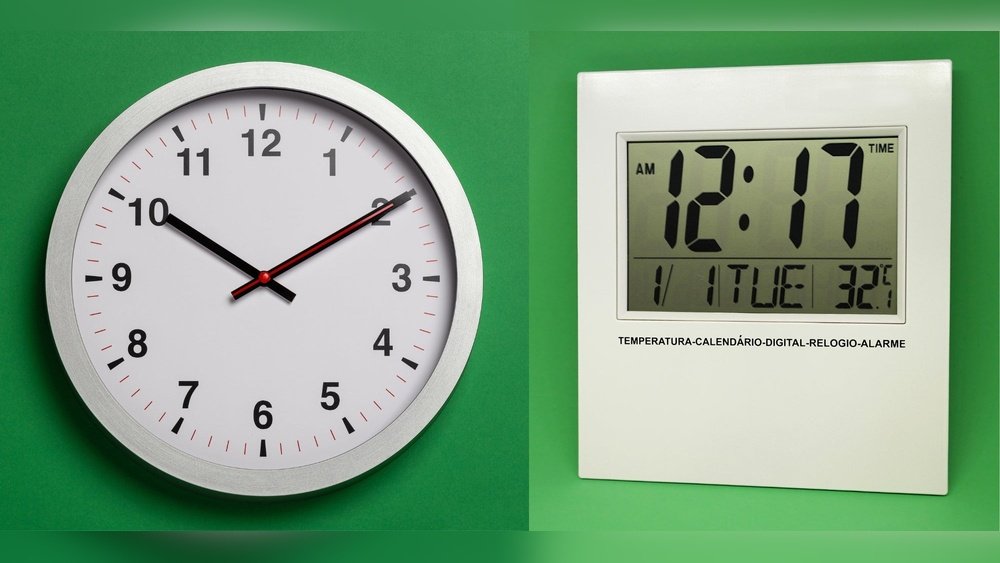
Have you ever stopped to think about why you prefer a digital clock over an analog one, or vice versa? Your choice might say more about how you see time and organize your day than you realize.
Whether you rely on the clear numbers of a digital display or the classic look of an analog face, understanding the differences can help you make smarter decisions about how you track your time. Keep reading to discover which type suits your lifestyle best and how it can impact your daily routine.

Credit: www.youtube.com
Accuracy In Timekeeping
Accuracy in timekeeping is key for clocks. It ensures you know the exact time. Both digital and analog clocks aim to keep time precisely. Yet, their methods and results differ.
Mechanics Behind Analog Clocks
Analog clocks rely on gears and springs. A tiny weight or a spring moves the hands. The balance wheel swings back and forth. This swinging controls the speed of the clock. The gears turn the hands to show time. Slight friction or dust can slow it down. These mechanical parts wear out over time. This can cause the clock to lose or gain seconds.
Digital Clock Technology
Digital clocks use electronic circuits and quartz crystals. The quartz vibrates at a steady frequency. This steady pulse helps count seconds accurately. Electronics translate these pulses into numbers on the screen. Digital clocks often sync with radio signals. This keeps them very accurate. They usually show time in clear digits. No moving parts mean less chance of error.
Factors Affecting Precision
Several things affect clock accuracy. Temperature changes can affect analog clock springs. Humidity and dust also impact mechanical parts. Digital clocks can lose accuracy if power is unstable. Quartz crystals may slightly change frequency with heat. Battery life can affect digital clock performance. Signal loss can cause digital clocks to drift. Regular maintenance helps keep analog clocks precise. Replacing batteries often keeps digital clocks accurate.
Credit: www.teacherled.com
Ease Of Reading
Reading time quickly and accurately matters in daily life. The ease of reading depends on how the time is shown. Digital and analog clocks offer different experiences. Each style has its strengths and challenges for users.
Visual Clarity Of Digital Displays
Digital clocks show numbers clearly and directly. The large digits make it easy to read the exact time at a glance. No need to guess or interpret. Bright LED or LCD screens enhance visibility. The contrast between numbers and background helps eyes focus. Even small displays can be clear and readable.
Interpreting Analog Faces
Analog clocks use hands on a round dial. It takes a moment to understand where each hand points. Reading hours and minutes requires interpreting positions. Some people find this natural and fast. Others may struggle, especially with unfamiliar designs. The clock face’s style and markings affect how easy it is to read.
Impact Of Lighting And Environment
Lighting affects both digital and analog clocks. Digital displays can glow and stay visible in the dark. Bright sunlight can cause glare on some screens. Analog clocks rely on the environment’s light. Shadows or dim light make the hands hard to see. The choice between digital and analog depends on where the clock is used.
User Experience
User experience plays a big role in choosing between digital and analog time displays. Each type offers different benefits and challenges. Understanding these differences helps users pick what fits their daily needs.
Setting And Adjusting Time
Digital watches often have buttons to set the time. This makes adjusting precise and quick. Some models even adjust automatically for daylight savings or time zones. Analog watches use a crown to move the hands. This can feel slower and less exact. Some people enjoy the tactile feel of turning the crown. Others find digital setting easier and faster.
Battery Life And Power Sources
Analog watches usually have longer battery life. They often use small batteries that last for years. Some analog watches are mechanical and don’t need batteries. Digital watches tend to use more power. Features like backlighting and alarms drain the battery faster. Many digital watches need new batteries every one to two years. Solar-powered digital watches offer a good balance by charging in light.
Durability And Maintenance
Analog watches have fewer electronic parts. This can make them more durable in rough conditions. Mechanical analog watches need regular winding or servicing. Digital watches have screens that can crack if dropped. They may also stop working if exposed to water. Some digital models are built tough with water resistance. Both types need care, but analog watches often require more maintenance.
Design And Style Preferences
Design and style play a big role in choosing between digital and analog watches. People pick watches based on how they look and feel on the wrist. Each style offers unique features that suit different tastes and lifestyles.
Aesthetic Appeal Of Analog Watches
Analog watches have a classic and timeless look. Their round faces and moving hands create a sense of tradition. Many people find them elegant and suitable for formal occasions. The craftsmanship of analog watches often shows in their intricate details. Leather or metal straps add to their refined style.
Modern Look Of Digital Displays
Digital watches offer a sleek and futuristic appearance. Their clear numbers and bright screens make them easy to read. The design fits well with casual and sporty outfits. Digital displays often look clean and simple. They appeal to people who prefer a modern, no-fuss style.
Customization Options
Digital watches often allow more customization. Users can change screen colors and layouts. Many models include options to add apps and widgets. Analog watches offer limited customization, mainly through strap changes. Both types let wearers express personal style in different ways.
Practical Applications
Understanding the practical uses of digital and analog clocks helps choose the right one. Each type has strengths that suit different needs and settings. This section explores where each style fits best.
Use In Professional Settings
Digital clocks show time clearly at a glance. This makes them popular in offices and factories. They reduce errors in time reading. Analog clocks fit well in formal places like boardrooms. They add a classic touch and help track time visually during meetings.
Suitability For Kids And Elderly
Kids often find analog clocks helpful to learn time. The moving hands make it easier to understand hours and minutes. Elderly people may prefer digital clocks for their clear numbers. Digital displays avoid confusion and help with quick reading.
Integration With Smart Technology
Digital clocks easily connect with smart home systems. They can sync with phones and alarms automatically. Analog clocks rarely offer smart features but can have modern designs. Some smart analog clocks combine classic looks with digital functions.

Credit: www.youtube.com
Frequently Asked Questions
What Is The Main Difference Between Digital And Analog Clocks?
Digital clocks show time with numbers, while analog clocks use hands on a dial. Digital is easier to read quickly, analog shows time more visually.
Which Clock Type Is More Accurate, Digital Or Analog?
Digital clocks are generally more accurate because they use electronic timekeeping. Analog clocks can be less precise due to mechanical parts.
Why Do Some People Prefer Analog Over Digital Clocks?
Analog clocks offer a classic look and help visualize time passing. Some find reading an analog clock a useful skill.
Can Digital Clocks Work Without Electricity Or Batteries?
No, digital clocks need power from batteries or electricity to display time. Analog clocks can work mechanically without power.
Are Digital Clocks Better For Learning To Tell Time?
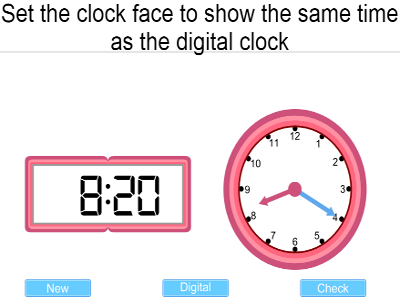
Digital clocks show exact numbers, making them easier for beginners. Analog clocks help understand time concepts like hours and minutes better.
Conclusion
Digital and analog clocks each have their own strengths and uses. Digital clocks show time clearly and quickly. Analog clocks help you understand time’s flow better. Choosing between them depends on your needs and style. Both types keep you on track every day.
Time is important, and these clocks help you manage it well. Whether digital or analog, the best clock is the one you prefer. Simple, easy, and reliable—that’s what matters most.