
Are you curious about the difference between analog electronics and digital electronics? Whether you’re a student, hobbyist, or just someone interested in how devices work, understanding these two types of electronics is key.
You might wonder which one is better or why both exist. This article will clear up the confusion by breaking down the basics in a simple way. By the end, you’ll see how each type affects the gadgets you use every day—and why knowing the difference can make a big impact on your projects or decisions.
Keep reading to discover the surprising facts that make analog and digital electronics truly unique.
Credit: www.eleccircuit.com
Basics Of Analog Electronics
Analog electronics deals with signals that change continuously over time. These signals represent real-world information like sound, light, and temperature. Understanding analog electronics helps us control and use these natural signals in devices.
It uses electrical quantities like voltage and current to carry information. The behavior of these signals is smooth and varies without sudden jumps. This makes analog electronics ideal for many everyday applications.
Signal Characteristics
Analog signals have infinite possible values within a range. They are continuous and can vary in amplitude and frequency. This allows them to represent natural phenomena accurately. Noise and distortion can affect these signals, causing small errors.
Common Components
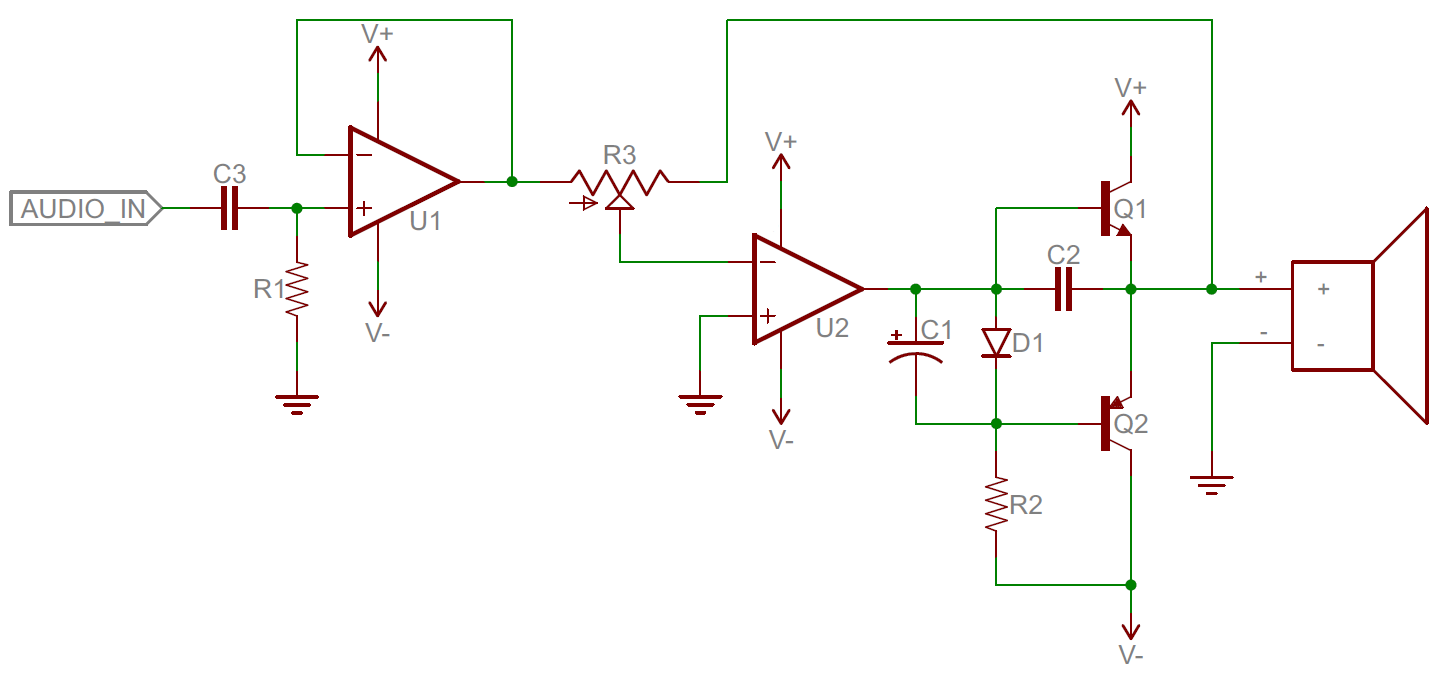
Analog circuits use components like resistors, capacitors, and inductors. Transistors and diodes help control signal flow. Amplifiers increase signal strength without changing its shape. Filters remove unwanted parts of the signal.
Applications And Use Cases
Analog electronics appear in radios, microphones, and speakers. They power sensors that measure temperature and pressure. Analog circuits also play a role in audio and video equipment. Many medical devices rely on analog signals for accurate readings.
Credit: www.electricaltechnology.org
Basics Of Digital Electronics
Digital electronics forms the foundation of modern technology. It deals with signals that have only two states: on and off. These states are easy to detect and process. This simplicity helps digital devices work fast and accurately.
Understanding digital electronics starts with knowing how data is represented and processed. It also involves learning about the main parts that build digital circuits. Finally, digital electronics finds use in many everyday devices and systems.
Binary Signal Representation
Digital electronics uses binary signals to represent data. Binary means two states: 0 and 1. These states correspond to off and on signals. This system is reliable because it resists noise and errors. Binary signals make it easy to store and manipulate data.
Key Components
Digital circuits use several key components. Logic gates perform basic operations like AND, OR, and NOT. Flip-flops store bits of information. Multiplexers select data from multiple sources. Microprocessors and microcontrollers control complex tasks. Each component plays a specific role in processing digital signals.
Applications And Use Cases
Digital electronics is everywhere. Computers, smartphones, and tablets rely on digital circuits. Digital cameras capture images in binary form. Home appliances use digital controllers for better efficiency. Even cars use digital systems for safety and performance. These applications show the importance of digital electronics in daily life.
Key Differences Between Analog And Digital
Analog and digital electronics differ in many important ways. These differences affect how devices work and perform. Understanding these key points helps choose the right technology for each use.
Signal Processing
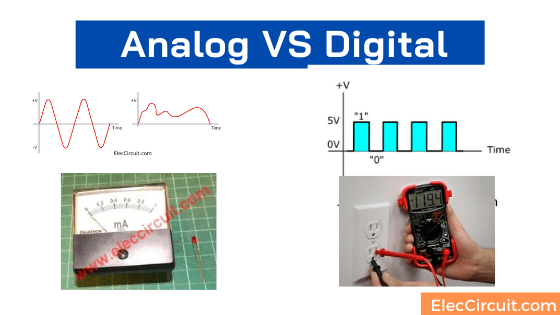
Analog electronics use continuous signals. These signals vary smoothly over time. Digital electronics use discrete signals. They process data in binary form, using zeros and ones. Analog signals represent real-world phenomena directly. Digital signals convert information into coded sequences for processing.
Accuracy And Noise
Analog systems can be less accurate. Noise and interference often affect signal quality. Small changes can cause errors in output. Digital systems handle noise better. They use error detection and correction techniques. Digital signals maintain accuracy over long distances and time.
Complexity And Design
Analog circuits are often simpler in design. They use fewer components for basic tasks. Digital circuits can be more complex. They require logic gates and microprocessors. Digital designs offer flexibility and easy modification. Analog designs may need more tuning for precision.
Advantages Of Analog Electronics
Analog electronics offer several benefits that make them useful in many applications. They work with signals in a natural and continuous way. This helps in tasks where smooth and real-time data is important. Below are some key advantages of analog electronics.
Continuous Signal Handling
Analog electronics process signals that change smoothly over time. This allows them to handle a wide range of values without gaps. Such continuous signals are important in audio and video devices. They capture natural sounds and images more accurately. This ability makes analog circuits ideal for real-world data.
Simplicity In Some Designs
Some analog circuits use fewer components than digital ones. This can make their design simpler and cheaper. Basic tasks like amplification or filtering can be done easily with analog parts. This simplicity reduces size and power use in certain devices. It also speeds up the development process.
Real-world Signal Compatibility
Analog electronics work directly with real-world signals like sound, light, and temperature. They do not need to convert these signals into numbers first. This direct compatibility saves time and avoids errors from conversion. It helps in applications such as sensors and audio equipment. Analog systems provide a natural way to interact with the environment.
Advantages Of Digital Electronics
Digital electronics offers many benefits over analog electronics. It uses binary signals, which are easier to manage and control. This makes digital devices more reliable and efficient. Many modern technologies depend on digital electronics to work smoothly and accurately.
Noise Immunity
Digital signals resist noise better than analog signals. Noise can distort analog signals and cause errors. Digital signals have clear high and low states. This makes it easier to detect and correct errors. Devices using digital electronics work well even in noisy environments.
Data Storage And Processing
Digital electronics can store large amounts of data efficiently. It allows quick data processing and easy access. Computers and smartphones use digital circuits to handle complex tasks. This helps in accurate calculations and fast information retrieval.
Flexibility And Integration
Digital circuits are flexible and easy to modify. Designers can update software without changing hardware. Digital devices can combine many functions in one chip. This integration saves space and reduces cost. It also helps create smaller and smarter gadgets.
Challenges And Limitations
Understanding the challenges and limitations of analog and digital electronics helps in choosing the right technology. Each type has its own issues that affect performance and design. These difficulties can impact how devices work in real life.
Analog Issues
Analog circuits often face noise and signal distortion. Small changes in voltage can cause big errors. Components like resistors and capacitors may drift over time. This drift affects circuit accuracy and stability. Analog devices also consume more power in some cases. They can be bulky, making miniaturization hard. Temperature changes can alter the performance of analog parts. Repairing analog circuits can be complex and time-consuming.
Digital Issues
Digital electronics rely on discrete signals but face limitations too. High-speed digital circuits create electromagnetic interference. This interference can disrupt nearby devices. Digital devices often require complex programming and debugging. Errors in code can cause system failures. Power consumption increases with faster processors and more features. Digital circuits may produce heat that needs cooling. Data loss can occur due to signal degradation over long distances.
Choosing Between Analog And Digital
Choosing between analog and digital electronics depends on several key factors. Each type offers unique benefits and fits different needs. Understanding these differences helps in making the right choice for any project or device.
Application Requirements
Consider what the device must do. Analog electronics work best with continuous signals, such as sound or light. They capture real-world information smoothly. Digital electronics process data in binary form, ideal for computers and modern gadgets. Choose based on whether the application needs smooth signal handling or precise digital control.
Cost Considerations
Analog components often cost less for simple tasks. They need fewer parts and less power. Digital circuits may require more complex chips and software. This can increase the price. However, digital devices can be cheaper for mass production. Balance cost against the benefits each type offers for your budget.
Performance Needs
Analog electronics excel in real-time, high-fidelity signal processing. They provide natural, continuous output without delay. Digital electronics offer accuracy, noise resistance, and easy data storage. They perform well in complex computations and control systems. Match the performance type to your project’s demands for best results.
Future Trends In Electronics
The world of electronics is changing fast. Both analog and digital electronics evolve to meet new needs. Innovations shape how devices work and interact. Understanding future trends helps us see what lies ahead in this field.
Hybrid Systems
Hybrid systems combine analog and digital parts. They use the strengths of each type. This mix offers better performance and flexibility. Many devices now use hybrid designs for better results. These systems can handle complex tasks with less power.
Advancements In Technology
New materials and tools improve electronic components. Smaller chips and faster processors become common. Technology advances allow more precise analog signals. Digital circuits grow more efficient and reliable. These changes push the limits of what electronics can do.
Emerging Applications
Electronics find new uses in health, transport, and homes. Wearable devices track health with both analog sensors and digital data. Smart cars use mixed electronics for safety and control. Home automation blends analog and digital for comfort and energy savings.
Credit: learn.sparkfun.com
Frequently Asked Questions
What Is The Main Difference Between Analog And Digital Electronics?
Analog electronics work with continuous signals, while digital electronics use discrete signals. Analog signals vary smoothly, and digital signals switch between fixed values.
Which Electronics Type Is Better For High Precision Measurements?
Digital electronics provide higher accuracy and less noise in measurements. Analog signals may lose quality due to signal distortion.
How Do Analog And Digital Circuits Handle Noise?
Analog circuits are more sensitive to noise and signal loss. Digital circuits can correct errors, making them more noise-resistant.
What Are Common Uses Of Analog Electronics Today?
Analog electronics are used in audio devices, radios, and sensors. They handle real-world signals like sound and light smoothly.
Why Is Digital Electronics Preferred In Modern Devices?
Digital electronics offer easier data storage, processing, and communication. They support complex computing and are more reliable over time.
Conclusion
Analog and digital electronics each have clear strengths and uses. Analog suits tasks needing smooth, continuous signals. Digital works best with clear, precise data and easy storage. Choosing depends on your project’s needs and goals. Both types shape modern technology in unique ways.
Understanding their differences helps you pick the right option. Each plays a vital role in electronics today. The choice is yours.