
Are you torn between choosing film or digital photos for your next shoot? You’re not alone.
Both have their fans, and each offers something unique that can change the way your pictures look and feel. Imagine holding a photo that has a warm, timeless touch or snapping dozens of shots without worrying about running out of film.
Which one fits your style and needs better? Keep reading to discover the real differences, pros, and cons, so you can make the best choice for your photography journey.

Credit: www.youtube.com
Film Photography Basics
Film photography holds a special place in the world of pictures. It uses physical film to record images. This method creates a unique look and feel that many photographers love. Understanding the basics helps appreciate why some still choose film over digital.
Film photography requires knowing how film works, the types available, and the gear needed. Each part plays a key role in capturing timeless photos.
How Film Captures Images
Film is coated with light-sensitive chemicals. When exposed to light, these chemicals react and create a hidden image. This image is called a latent image. It becomes visible after developing the film in a darkroom or lab. The process captures colors and details differently than digital sensors.
Types Of Film
There are many types of film. Black and white film shows images in shades of gray. Color film captures a full range of colors. Slide film produces positive images on a transparent base. Each type offers different textures and moods. Film speed, called ISO, controls how sensitive the film is to light. Lower ISO films need more light but produce finer detail.
Film Cameras And Equipment
Film cameras come in many shapes and sizes. Single-lens reflex (SLR) cameras are popular for their control and sharp images. Rangefinder cameras are smaller and quiet. Medium format cameras use larger film for higher quality. Other tools include light meters, film rolls, and developing tanks. Each piece helps photographers create their vision on film.
Digital Photography Essentials
Digital photography changed how we capture moments. It is fast, flexible, and widely used. Understanding digital photography basics helps you take better photos.
This section explains how digital cameras work and what makes them popular. It also covers how images are processed digitally. These essentials give a clear picture of digital photography.
How Digital Sensors Work
Digital cameras use sensors to capture light. These sensors are made of millions of tiny units called pixels. Each pixel records the brightness and color of light.
The sensor converts light into electrical signals. These signals become digital data that form an image. The quality depends on sensor size and pixel count.
Popular Digital Cameras
Many types of digital cameras exist for different needs. Point-and-shoot cameras are small and easy to use. DSLRs offer more control and better image quality.
Mirrorless cameras are compact but powerful. Smartphones also have advanced cameras with many features. Choosing a camera depends on your skill and budget.
Image Processing In Digital
After capturing, the camera processes the image. It adjusts colors, brightness, and sharpness automatically. This helps create a clear and balanced photo.
Images are saved as files like JPEG or RAW. RAW files keep more data for editing later. Editing software can improve photos further before sharing.
Image Quality Comparison
Comparing image quality between film and digital photos helps photographers choose the best medium. Both have unique strengths that affect how images look. Understanding these differences clarifies what each option offers.
Resolution And Detail
Digital cameras capture images with pixels, creating clear, sharp pictures. Higher megapixels mean more detail. Film captures detail differently, using grains instead of pixels. Fine-grain film can show rich detail, but digital often wins in sharpness. Scanned film quality depends on the scanner used. Digital files allow easy zooming without losing detail.
Color Reproduction
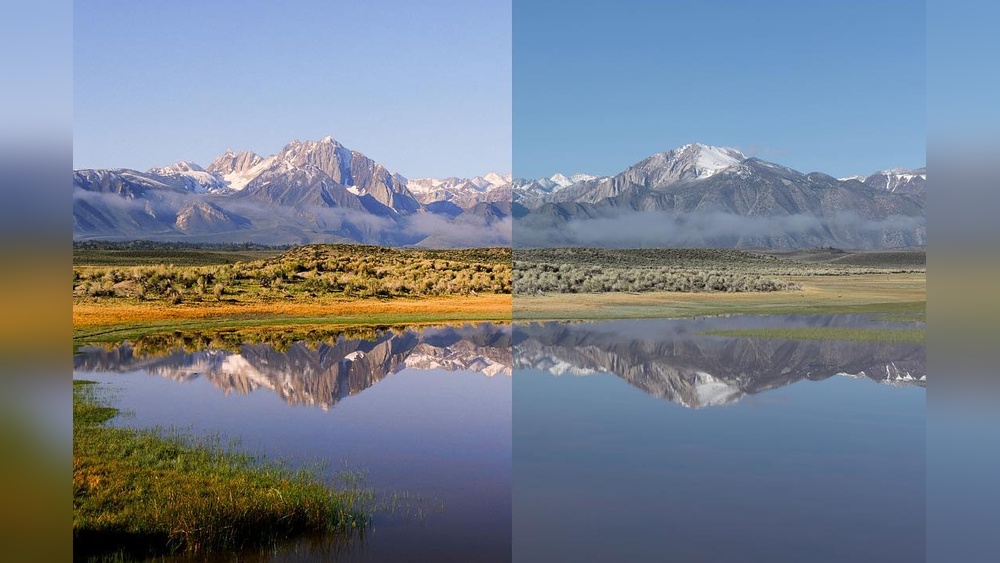
Film often produces warm, natural colors with subtle shifts. It handles skin tones softly and creates pleasing color blends. Digital cameras capture colors precisely and can be adjusted easily. Some digital images may look cooler or more clinical. Different film types offer varied color styles. Digital color can be edited after shooting for exact results.
Dynamic Range
Dynamic range measures how well a camera captures light and shadows. Film usually handles bright and dark areas smoothly, with gradual transitions. Digital sensors have improved dynamic range over time. They can capture more detail in shadows and highlights in a single shot. But digital can lose detail if exposure is off. Film’s response to light can feel more organic and less harsh.

Credit: www.youtube.com
Cost And Accessibility
Cost and accessibility play a big role in choosing between film and digital photography. Both have different costs to start and keep going. Access to tools and materials also varies. Understanding these aspects helps you pick the right option.
Initial Investment
Film cameras often cost less upfront than digital cameras. Older models are easy to find and affordable. Digital cameras usually require a bigger initial spend. High-quality digital cameras come with advanced features. Lenses and accessories add to the initial cost for both types.
Ongoing Expenses
Film photography needs constant buying of film rolls. Developing and printing film adds to the cost. Each shot has a price. Digital photography has lower ongoing costs. Memory cards and occasional upgrades are the main expenses. No need to pay for each photo taken.
Availability Of Resources
Film supplies can be harder to find in some areas. Not all stores stock film or chemicals anymore. Developing labs are fewer but still exist. Digital cameras and accessories are widely available. Editing software and online tutorials make learning easier. More options make digital photography more accessible.
Creative Control And Flexibility
Creative control and flexibility play a big role in choosing between film and digital photography. Each method offers different ways to shape your images. Understanding how you can adjust settings, process photos, and add artistic effects helps you pick the best option for your style.
Manual Settings And Adjustments
Film cameras often require you to set focus, aperture, and shutter speed manually. This hands-on process teaches you the basics of exposure and composition. Digital cameras usually provide automatic modes but also allow full manual control. This gives you the chance to experiment with settings and see results instantly on the screen.
Post-processing Options
Digital photos can be edited easily on a computer. You can change brightness, contrast, and colors with a few clicks. Film photos need to be developed and scanned before editing. The editing process for film is slower but can add a unique touch to your images. Both formats offer ways to improve your photos after taking them.
Unique Artistic Effects
Film has a natural grain and color tone that many photographers love. These effects give photos a vintage or classic feel. Digital images are cleaner and sharper but can be modified with filters and presets. Both film and digital allow creative expression. The choice depends on the look you want to achieve.
Workflow And Convenience
Workflow and convenience play a big role in choosing between film and digital photography. Each method affects how quickly and easily you can shoot, review, store, and share your photos. These factors impact both beginners and experienced photographers.
Shooting Speed
Digital cameras allow fast shooting without limits. You can take hundreds of photos quickly. Film cameras need more care. You must load and unload rolls of film. Each roll holds a limited number of shots. This slows down the process and requires more planning.
Image Review And Storage
Digital photos show instantly on the screen. You can check focus and exposure right away. Film photos require development before viewing. This takes time and effort. Digital images store on memory cards. They are easy to organize and back up. Film negatives need physical storage. They can be damaged or lost over time.
Sharing And Distribution
Digital photos are simple to share online. You can upload them to social media or email quickly. Film photos need scanning to become digital files. This step adds time and cost. Printed film photos must be mailed or scanned for sharing. Digital photography offers faster and easier sharing options for most users.
Longevity And Archiving
Longevity and archiving play a big role in choosing between film and digital photos. How long your photos last matters. The way you store them affects their quality over time. This section explores the durability of film, digital file preservation, and risks with backup strategies. These points help you protect your memories for years.
Durability Of Film
Film photos can last many decades if stored properly. Physical prints resist digital corruption. They can fade or get scratched but often remain visible. Storing film in a cool, dry place helps preserve colors and details. Archival-quality sleeves and boxes protect them from dust and light. Film’s physical nature means you hold a real object. This can feel more permanent than digital files.
Digital File Preservation
Digital photos need careful management to last long. Files can be copied many times without loss. You can store them on hard drives, SSDs, or cloud services. Digital images do not fade, but files can become corrupted. Formats like JPEG and TIFF are common. Using standard file formats helps with future access. Regularly updating storage devices avoids data loss from hardware failure.
Risks And Backup Strategies
Both film and digital photos face risks. Film can suffer physical damage or chemical decay. Digital files risk accidental deletion or hacking. Backups reduce loss risks. For film, making digital copies creates a safety net. For digital photos, use multiple storage locations. Combining local drives with cloud backups is smart. Regular checks of backups ensure files remain accessible. Being proactive saves your memories from unexpected loss.

Credit: fstoppers.com
Environmental Impact
Choosing between film and digital photography affects more than just image quality and style. The environmental impact plays a key role in this decision. Both methods have effects on the planet that photographers should consider. Understanding these impacts helps make better choices for the environment.
Chemical Use In Film Development
Film development uses many chemicals. These include developers, fixers, and rinses. Many chemicals can harm water and soil if not handled correctly. Waste from film labs needs careful disposal. Small labs sometimes lack proper waste management. This increases pollution risks. Film production also uses plastic and metal for rolls and cans. These materials add to landfill waste.
Energy Consumption Of Digital Gear
Digital cameras need electricity to operate. Charging batteries and using computers consume energy. Data storage and editing use servers that run all day. This continuous power use adds up. Manufacturing digital devices also requires energy and resources. Despite no chemical waste, digital gear has a carbon footprint. Energy source matters greatly in this impact.
Sustainability Considerations
Film photography needs physical materials and chemicals. Digital photography relies on electronic devices and energy. Both produce waste but in different forms. Reusing and recycling help reduce harm in both types. Using renewable energy lowers digital impact. Choosing eco-friendly chemicals helps film labs. Photographers can reduce waste by careful practices. Thoughtful choices support a healthier planet.
Choosing Between Film And Digital
Choosing between film and digital photography depends on many factors. Each medium offers unique qualities that suit different needs. Understanding these differences can help you decide which fits your style and goals best.
Matching Style To Medium
Film captures images with a warm, timeless feel. It often shows more grain and softer tones. This makes it great for portraits and artistic projects.
Digital photos are sharp and clear. They work well for quick shoots and detailed images. Digital suits those who like editing and sharing photos fast.
Think about the look you want. Choose the medium that matches your creative vision.
Budget And Purpose
Film cameras and film rolls cost more over time. Developing and printing add to the expense. Film suits hobbyists who enjoy the process.
Digital cameras may have a higher initial cost. But they save money on film and development. They are ideal for frequent shooting and professional work.
Consider how often you shoot and what you want to do with your photos.
Future Trends In Photography
Digital photography keeps evolving with new features and better quality. Innovations like AI editing and high-speed shooting grow popular.
Film remains valued for its unique aesthetic. Some photographers mix both mediums for creative effects.
Choose the medium that fits your present needs and future plans.
Frequently Asked Questions
What Are The Main Differences Between Film And Digital Photos?
Film photos use physical film to capture images, while digital photos use electronic sensors. Film often has a grainy look, and digital photos are clearer and easier to edit.
Which Is Better For Beginners, Film Or Digital Photography?
Digital photography is better for beginners because it allows instant review and easy corrections. Film requires more patience and skill due to limited shots and developing time.
How Does Image Quality Compare Between Film And Digital Photos?
Digital photos usually have higher resolution and sharpness. Film images offer unique textures and colors that many find appealing but less precise.
What Are The Cost Differences Between Shooting On Film And Digital?
Film photography involves ongoing costs like buying and developing film. Digital cameras have a higher upfront cost but lower running expenses over time.
Can Digital Photos Mimic The Look Of Film Photography?
Yes, digital photos can be edited to look like film using filters and presets. Many apps and software help create the classic film style easily.
Conclusion
Both film and digital photos have their own unique charm. Film offers a classic feel and rich texture. Digital provides quick results and easy editing. Choosing depends on your style and needs. Experiment with both to see what fits best.
Photography is about capturing moments, not tools. Enjoy the process and keep taking pictures.