
Are you torn between choosing a digital piano or a keyboard? You’re not alone.
Both offer great ways to enjoy music, but they serve different needs and styles. Understanding their key differences can save you time, money, and frustration. You’ll discover which option fits your goals, skill level, and budget. Keep reading to find out how to make the best choice for your musical journey.
Key Differences Between Digital Pianos And Keyboards
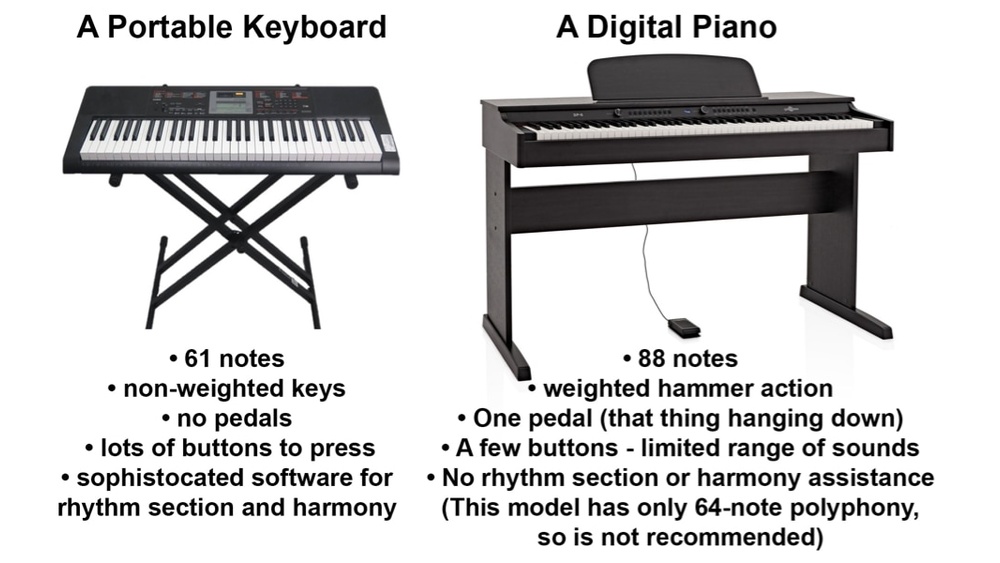
Digital pianos and keyboards both serve musicians but differ in many ways. These differences affect how they sound, feel, and function. Knowing these can help you choose the best instrument for your needs.
Sound Quality And Tone
Digital pianos focus on producing a rich, natural piano sound. They use high-quality samples from real acoustic pianos. Keyboards offer various sounds, not just piano tones. These include strings, drums, and synth effects. The sound quality on keyboards varies widely.
Keyboard Action And Feel
Digital pianos have weighted keys that mimic an acoustic piano’s feel. This helps with finger strength and playing technique. Keyboards often have lighter, unweighted keys. They are easier to press and better for beginners or quick playing.
Portability And Size
Keyboards are usually smaller and lighter. This makes them easy to carry and store. Digital pianos tend to be larger and heavier. They often look like traditional pianos and require more space.
Features And Functions
Keyboards come with many built-in features. These include rhythms, recording options, and learning tools. Digital pianos focus on replicating a real piano experience. They have fewer extra sounds and functions.
Price Range
Digital pianos generally cost more due to their realistic sound and feel. Keyboards are available in a wide price range. Budget models are affordable, while advanced ones can be expensive.
Choosing Based On Skill Level
Choosing between a digital piano and a keyboard depends a lot on skill level. Each type suits different players. Understanding your level helps pick the right instrument. This choice can improve practice and enjoyment.
Beginners And Learning
Beginners need simple tools to start well. Digital pianos offer weighted keys that feel like real pianos. This helps build finger strength and good habits. Keyboards are lighter and often cheaper. They have many sounds and rhythms, which can make learning fun. For true beginners, a keyboard may be enough to explore music.
Intermediate Players
Intermediate players want more features and better sound quality. Digital pianos provide realistic piano tones and touch response. This supports skill growth and playing accuracy. Keyboards offer variety and portability, which suit different styles. Players at this level benefit from an instrument that encourages daily practice and skill improvement.
Advanced Musicians
Advanced musicians need high-quality sound and feel. Digital pianos often have graded hammer action keys that mimic acoustic pianos. They include detailed sound samples for expressive play. Keyboards at this level focus on versatility and extra functions like recording. Professionals choose based on style and performance needs. A good instrument helps refine technique and expression.
Sound And Speaker Systems
Sound and speaker systems are key factors when choosing between a digital piano and a keyboard. They affect how the music sounds and the overall playing experience. Understanding the differences helps you pick the best option for your needs.
Built-in Speakers
Digital pianos usually have strong built-in speakers. They create rich, clear sounds that mimic an acoustic piano. Keyboards often have smaller speakers. These may not deliver as deep or natural sound as digital pianos. Built-in speakers are handy for practice and small rooms.
External Amplification
Both digital pianos and keyboards can connect to external amps or speakers. This boosts volume for bigger spaces or performances. Keyboards often need external amplification for better sound. Digital pianos may not require it due to better built-in speakers. External amplification adds flexibility for different settings.
Sound Customization
Keyboards offer many sound options, from pianos to synths and drums. Players can adjust tones and effects easily. Digital pianos focus on authentic piano sounds, with fewer customization choices. They aim for a true piano feel. Sound customization is great for creative players and various music styles.
Credit: www.pianodreamers.com
Portability And Space Considerations
Choosing between a digital piano and a keyboard often depends on space and how easy it is to move the instrument. Both have unique features that fit different needs.
Portability and space are key factors for many players. Some need an instrument for home use only. Others want something they can take on the road. Storage also matters in small rooms or apartments.
Home Use
Digital pianos usually look and feel like traditional pianos. They often take up more room. They need a sturdy stand or furniture. This suits players with enough space at home.
Keyboards are lighter and smaller. They fit on tables or special stands. They are perfect for limited space or simple setups. Many models have built-in speakers, so no extra gear is needed.
Travel And Gigging
Keyboards win for travel and gigs. They weigh less and come with carry bags. Setting up is quick and easy. Many have battery power for places without plugs.
Digital pianos are heavier and bulkier. Moving them requires extra care and helpers. Some portable models exist but still weigh more than keyboards.
Storage Options
Keyboards fold down or slide into small spaces. They fit under beds or in closets. Digital pianos need dedicated space and often stay in one spot.
Choosing the right instrument saves room and hassle. Think about where you will use and keep your instrument.
Additional Features To Consider
Choosing between a digital piano and a keyboard involves more than just sound and feel. Extra features can greatly affect your playing experience. These features help with practice, creativity, and connection to other devices. Consider these options carefully to find the right fit for you.
Recording And Connectivity
Many digital pianos and keyboards come with recording options. You can capture your playing and listen back to improve. Some models allow multi-track recording for layering sounds.
Connectivity matters too. USB and MIDI ports link your instrument to computers or apps. Bluetooth support makes wireless connections possible. This helps share music or use digital tools easily.
Built-in Rhythms And Voices
Keyboards often include many rhythms and instrument voices. This lets you play with backing tracks and different sounds. Digital pianos usually have fewer voices but focus on piano tones.
Rhythms can help you keep time and add fun to practice. Voices let you explore other music styles without extra gear.
Learning Tools And Apps
Some instruments come with built-in lessons or apps for learning. Light-up keys and metronomes guide your practice. These tools support beginners and help track progress.
Apps can offer sheet music, tutorials, and interactive games. They make learning simple and engaging. Check if the instrument supports popular learning apps.
Credit: www.pianodreamers.com
Maintenance And Durability
Maintenance and durability are key factors when choosing between a digital piano and a keyboard. Both require care to stay in good shape. Their build quality and how you look after them affect how long they last.
Understanding these points helps you make a smart choice. It also saves money on repairs or replacements later.
Build Quality
Digital pianos usually have heavier, solid parts. They often mimic traditional pianos with sturdy keys and frames. Keyboards tend to be lighter and made with plastic. This makes them easy to carry but less tough.
Strong build quality means less chance of damage. Digital pianos can handle regular use better. Keyboards are good for beginners or casual players who move their instrument often.
Care Tips
Keep both instruments away from dust and moisture. Use a soft cloth to clean the surface. Avoid liquids near the keys to prevent damage. Store them in a safe place when not used.
Regularly check cables and connections. Loose parts can cause problems over time. Cover your digital piano or keyboard with a dust cover. This simple step extends the life of the instrument.
Longevity
Digital pianos tend to last longer due to their sturdy build. They can serve players for many years with proper care. Keyboards may wear out faster, especially if moved often.
Some keyboards have replaceable parts, which helps extend their life. Choosing a model with good reviews on durability is smart. Proper maintenance boosts the lifespan of either instrument.
Popular Models And Brands
Choosing between a digital piano and a keyboard means understanding the best models and brands. Popular options vary by features, sound quality, and price. Some brands focus on authentic piano feel. Others offer versatile keyboards with many sounds and functions.
This section highlights top digital pianos, keyboards, and budget-friendly choices. Each category includes trusted brands known for quality and reliability. These picks help buyers make smart decisions based on needs and budgets.
Top Digital Pianos
Yamaha is a leading name in digital pianos. Their P-Series offers realistic key action and great sound. Roland is another top brand with models like the FP series. These pianos mimic acoustic piano touch well. Casio also makes popular digital pianos, such as the Privia line. They balance price and performance effectively.
Top Keyboards
Korg and Yamaha dominate the keyboard market. Korg’s B2 and Korg EK-50 provide many voices and rhythms. Yamaha’s PSR series offers user-friendly features for beginners. Casio’s CT and WK series include portable, versatile keyboards. They suit players wanting variety in sounds and styles.
Budget-friendly Options
Alesis and Donner produce affordable digital pianos and keyboards. Alesis Recital is popular for its weighted keys and sound quality. Donner’s DEP series gives good value with basic piano features. Yamaha and Casio also have entry-level models priced for beginners. These options suit learners who want quality without a high cost.

Credit: www.youtube.com
Making The Final Choice
Choosing between a digital piano and a keyboard can feel tricky. Both have unique features that fit different players. Understanding your needs and testing options helps make a clear choice. Also, knowing where to buy is important for a smooth purchase.
Assessing Your Needs
Think about your skill level and goals. Beginners may want a keyboard with simple functions. More serious players might prefer a digital piano with weighted keys. Consider space and budget too. Decide if portability is important or if you need a full piano feel.
Testing Before Buying
Try both instruments in a store. Play different sounds and check the key feel. Notice how the keys respond to touch. Listen to the sound quality carefully. Testing helps you find what feels right for your style and comfort.
Where To Purchase
Buy from a reliable music store or a trusted online retailer. Music stores let you try instruments and get expert advice. Online shops offer more options and often better prices. Look for stores with good return policies and customer support.
Frequently Asked Questions
What Is The Main Difference Between Digital Piano And Keyboard?
A digital piano mimics an acoustic piano’s sound and feel. A keyboard offers more sounds and features but less realistic keys.
Which Is Better For Beginners, Digital Piano Or Keyboard?
Keyboards are usually better for beginners due to lighter keys and more learning features. Digital pianos help build strong piano technique.
Can Digital Pianos Be Used For Live Performances?
Yes, digital pianos can be used live, especially models with good speakers or output jacks. They offer authentic piano sound on stage.
Do Keyboards Offer More Sound Options Than Digital Pianos?
Yes, keyboards provide a wide range of sounds, including drums, strings, and synths. Digital pianos focus mainly on piano tones.
Is Portability A Factor Between Digital Pianos And Keyboards?
Keyboards are generally lighter and easier to carry. Digital pianos tend to be heavier because of weighted keys and larger frames.
Conclusion
Choosing between a digital piano and a keyboard depends on your needs. Digital pianos offer a feel closer to real pianos. Keyboards provide more sounds and features for variety. Think about your skill level and budget before deciding. Both instruments can help you enjoy music and improve skills.
Play around with each to find what suits you best. Keep practicing, and most of all, have fun making music!